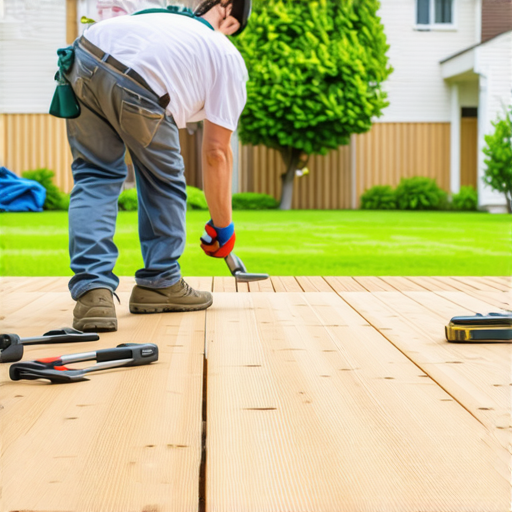

It was one of those chilly spring evenings when I finally convinced a few friends to gather on my backyard deck. As the sun dipped below the horizon, I reached for the old portable fire pit I’d bought on a whim—only to realize it was cumbersome, unstable, and a pain to set up. That night, I had a lightbulb moment: why keep struggling with an add-on fire pit when my next deck could be designed to incorporate one seamlessly? Having made this mistake early on, I learned the hard way how a poorly planned fire feature can turn into a safety hazard or just a headache. But it doesn’t have to be that way. Today, I want to share why integrating a built-in fire pit into your deck isn’t just a cool feature—it’s a practical game-changer that enhances safety, aesthetics, and usability.
Transform Your Outdoor Space with a Built-In Fire Pit
Plan and Design Your Fire Pit Layout
Begin by sketching a detailed layout of the fire pit integrated into your deck. Use graph paper or design software to visualize dimensions, placement, and surrounding seating. Consider factors like wind direction, nearby structures, and accessibility to utilities. Remember, a well-planned design prevents costly adjustments later and ensures safety and aesthetic appeal. For inspiration, review common deck layouts or visit local designs to see what suits your space.
Select Durable Materials for Longevity
Choose materials resistant to heat, weather, and wear. Natural stone, concrete, or high-quality stainless steel for burners are excellent options. When I built my first in-ground fire feature, I opted for fire-resistant concrete, which proved sturdy and low-maintenance. Avoid using combustible materials near the flames to prevent hazards. For guidance on material choices, check out [why your next deck should be made of PVC instead of wood](https://deckbuildersneedham.com/why-your-next-deck-should-be-made-of-pvc-instead-of-wood).
Prepare Your Deck Structure Carefully
Ensure your deck can support the additional weight of the fire pit and surrounding features. Reinforce the frame if needed, especially if installing built-in fire features that involve stone or concrete. Check existing joist spacing and load-bearing capacity, referring to [understanding the basics of deck load-bearing requirements](https://deckbuildersneedham.com/understanding-the-basics-of-deck-load-bearing-requirements). Proper reinforcement avoids sagging or structural failure over time.
Install the Fire Pit with Safety in Mind
Follow manufacturer instructions meticulously when installing gas lines, burners, or electrical components. Use sealed connections to prevent leaks and corrosion. When I installed my gas fire pit, I double-checked all fittings and surrounded the area with non-combustible materials. Include a ventilation system if possible, as poor airflow can cause safety issues and reduce the lifespan of components. To promote airflow and prevent moisture buildup, consider [the importance of airflow under your low profile deck](https://deckbuildersneedham.com/the-importance-of-airflow-under-your-low-profile-deck).
Finish and Seal for Weather Resistance
Apply weatherproof sealers to protect your materials from moisture, UV rays, and temperature fluctuations. Regular maintenance extends the fire pit’s lifespan and maintains its appearance. I learned this lesson the hard way when neglecting sealing, which led to cracking and discoloration. Set a maintenance schedule using tips from [how to restore a faded composite deck to its original color](https://deckbuildersneedham.com/how-to-restore-a-faded-composite-deck-to-its-original-color), adapting for your specific material. Proper sealing keeps your investment looking great and functioning safely for years.
Many homeowners believe that all deck builders are essentially the same, but in my experience, this couldn’t be further from the truth. A widespread misconception is that choosing the cheapest contractor guarantees savings, yet this often leads to subpar craftsmanship or overlooked safety measures, especially when installing complex features like built-in fire pits. Another myth is that any composite material is equally durable; however, not all composites are created equal. For example, darker composite colors are gaining popularity due to their aesthetic appeal and UV stability, but they also absorb more heat, which can affect durability over time, as noted in recent industry analyses.
A common oversight is neglecting the importance of proper ventilation and airflow beneath your deck when planning integrated fire features. Without adequate airflow, moisture buildup can lead to rot or structural failure—a mistake many overlook until it’s too late. According to experts in deck construction, understanding the nuances of load-bearing requirements and material properties is critical for long-lasting results. This is why selecting a builder with specialized knowledge, like those experienced with load-bearing requirements, can save you headaches and money.
Don’t fall for the myth that you can upgrade or restore your existing deck simply by staining or sealing without addressing underlying issues like fading or moisture intrusion. Proper restoration involves steps like cleaning, sanding, and selecting the right stain—details covered extensively in restoration techniques. Overlooking these nuances can lead to costly repairs down the line.
So, when selecting a deck builder in Needham, prioritize transparency, experience, and a comprehensive understanding of materials and load calculations. Remember, the right expertise ensures your deck isn’t just beautiful but also safe and durable for years to come. Have you ever fallen into this trap? Let me know in the comments.
Investing in Quality Tools for Long-Term Deck Care
Maintaining a beautiful and safe deck requires the right equipment. I personally rely on a cordless electric drill with variable speed settings, which makes replacing fasteners or installing new hardware effortless and precise. A high-quality pressure washer, like the Simpson MSH3125 MegaShot, is essential for deep cleaning without damaging the surface. Investing in a good caulking gun helps seal joints effectively, preventing water intrusion that can lead to rot. Using these tools consistently ensures your deck stays in top shape and extends its lifespan.
Adopt Efficient Maintenance Routines
Establishing a regular maintenance schedule is crucial. I recommend inspecting your deck every spring and fall for loose boards, protruding nails, or signs of rot. Cleaning the surface with eco-friendly detergents and a soft-bristled brush maintains its appearance and removes dirt and algae. Regular sealing—especially for composite decks—protects against UV damage and moisture, which are primary causes of deterioration. Check out restoration tips to learn about restoring faded finishes and maintaining vibrant colors over time.
Plan for Seasonal Adjustments
Different seasons demand different approaches. Before winter, reinforce railings and check for vulnerabilities. During heavy rainfalls, ensure that drainage systems are functioning properly to prevent pooling. In summer, regular cleaning with a deck-safe cleaner keeps algae and moss at bay. Trends suggest that eco-friendly, low-maintenance stains and sealers will dominate future deck upkeep products, making routine care even easier and more sustainable. I recommend trying eco-friendly staining options for longevity and environmental benefits.
How do I maintain my deck over time?
The key is consistency. Using the right tools, like stainless steel screws which resist corrosion, and scheduling routine inspections ensures minor issues are addressed before causing major damage. Additionally, keeping airflow open under your deck reduces moisture buildup—a common cause of rot—by following best practices in airflow management. Make a habit of annual deep cleaning and sealing, and you’ll protect your investment for years to come.

Lessons from the Fire: My Biggest Mistakes and Miracles
I learned early that rushing the installation of a built-in fire pit could turn a cozy gathering into a safety nightmare. Patience, meticulous planning, and paying attention to ventilation made all the difference. I found that investing extra time upfront saved me countless headaches later on.
Another revelation was understanding the importance of material choice. Using weather-resistant finishes and durable stones meant my fire feature looked like new season after season. These lessons transformed my outdoor space into a safe, beautiful retreat that I enjoy year-round.
My Gear and Resources I Swear By
- High-Quality Sealants: Products like [EcoShield Weatherproof Sealer](https://deckbuildersneedham.com/why-2026-deck-stains-are-more-eco-friendly-than-ever) ensure longevity against the elements.
- Design Software: Tools such as SketchUp helped me visualize the layout, saving costly mistakes. Visual planning made all the difference.
- Expert Blogs: Regularly reading [Deck Builders Needham’s tips](https://deckbuildersneedham.com/understanding-the-basics-of-deck-load-bearing-requirements) kept me informed about structural safety and innovation trends.
Fuel Your Passion, Build with Heart
Designing a built-in fire pit isn’t just about aesthetics—it’s about creating a space where memories ignite and relationships deepen. Every brick laid, every finish sealed brings you closer to your perfect outdoor sanctuary. So, gather your tools, trust your vision, and start turning your backyard into the haven you’ve imagined. Remember, your dream deck with a built-in fire pit is within reach—take the first step today.