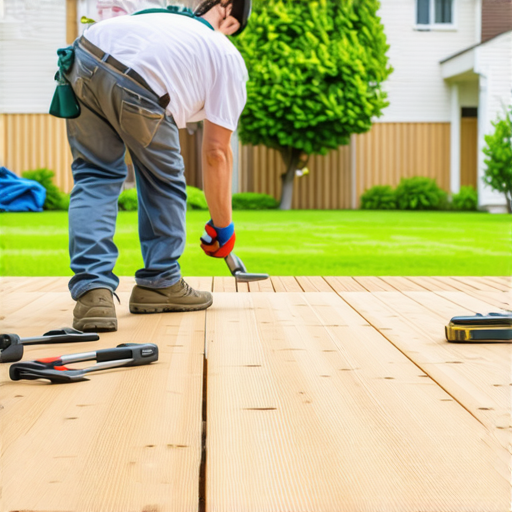

I vividly remember the day I finally decided to overhaul my backyard. The old wooden deck, battered by years of sun and rain, was more than just tired—it was a constant source of frustration. Boards warped, nails popped up unexpectedly, and I felt like I was fighting a losing battle every time I tried to clean it. That lightbulb moment made me realize that my deck wasn’t just a surface to walk on—it was the heart of my outdoor living space.
If you’ve ever stood on your worn-out deck, wondering if there’s a better way to bring style, durability, and functionality together, you’re not alone. Many homeowners find themselves in a similar spot, feeling overwhelmed by choices and unsure where to start. That’s where a thoughtfully designed mix-material deck can truly shine. Today, I promise to guide you through three inspiring designs that can elevate your outdoor space—combining materials like wood, concrete, and composite in ways that are both beautiful and practical.
Why Mixing Materials Can Change Your Deck Game
Mixing different materials in your deck design isn’t just about aesthetics—it’s a strategic move to enhance longevity, safety, and maintenance. Wood delivers that warm, classic look, while concrete can add a modern and sturdy foundation. Composite materials are low-maintenance and resistant to weathering—making them perfect for areas exposed to the elements. When these elements come together creatively, they create a versatile outdoor sanctuary tailored to your lifestyle.
But, I won’t lie—getting it just right takes planning. Early in my own project, I made the mistake of choosing clashing materials without considering their compatibility or the overall style of my home. It led to a disjointed look and increased maintenance headaches. That experience taught me the importance of understanding how different materials interact, and what pitfalls to avoid. If you’re curious about some common mistakes homeowners like myself make, this article sheds light on the top pitfalls to avoid when building your own deck.
So, are you ready to explore design ideas that marry aesthetics with durability? Let’s dive into some inspired options to transform your backyard into a modern retreat—using a balanced blend of materials that work together harmoniously.
Plan Your Material Zones Carefully
Start by sketching a layout that defines where each material will go. Think of your deck as a puzzle—wood for the warm seating areas, concrete for the foundation or fire pit, and composite for low-maintenance risers. Use a pencil to mark zones on paper, considering traffic flow and usage patterns.
Select Compatible Materials and Colors
Choose materials that complement each other visually and functionally. For instance, pairing warm-toned cedar with sleek concrete can create a modern yet cozy feel. Visit supplier showrooms to see color options in person—this helps prevent mismatched looks. Remember, using consistent tones or contrasting textures can make your design stand out.
Build a Solid Foundation
Prioritize a sturdy base, especially where concrete will be used. Excavate and level the ground thoroughly before pouring concrete slabs. These slabs serve as a durable platform that prevents shifting and sinking. For step-by-step guidance, check out this guide on concrete decking. A well-prepared foundation reduces future repair costs and ensures safety.
Handle Material Transitions Properly
Use transition strips or edging profiles at the junctions where different materials meet. These act like the stitches in a fabric, holding everything together and preventing gaps or unevenness. For example, a metal or PVC trim can neatly connect wood and concrete sections. Pay attention to height differences; sometimes, a slight slope prevents pooling, especially around joints.
Incorporate Fasteners and Supports Correctly
Select the right fasteners for each material—coated screws for wood, heavy-duty anchors for concrete, and corrosion-resistant screws for composites. When fixing boards, borrow from my mistake once I used mismatched screws, which led to rusting and loose boards. For loose boards, check this article on fixing loose deck boards. Proper support ensures longevity and safety.
Manage Waterproofing and Drainage
Applying a waterproof sealant on wood surfaces prevents rot and warping. A good analogy is likening your deck to a raincoat—if you don’t seal it properly, water seeps in and causes damage. Incorporate drainage slopes and gutter systems to direct water away from transitions, avoiding pooling that can weaken materials over time. For detailed steps, visit this guide on gutter installation.
Finish with Aesthetic Enhancements
Once the core structure is in place, add finishing touches like stain or paint that match your color palette. Use a roller or brush designed for each material—specialized tools ensure a smooth, even finish. For aesthetic consistency, consider how railings, stairs, and furniture will tie into your overall design. Custom benches and lighting can further enhance the look, making your deck an inviting space.
Many homeowners believe that hiring a deck builder is simply about choosing the right wood or style. However, the real nuance lies in understanding the subtleties of the craftsmanship process and the common pitfalls that can undermine your investment. Contrary to popular belief, not all deck builders deliver the same quality, even if they appear similar on the surface.
One widespread myth is that price is the best indicator of quality. While cost matters, the experience, attention to detail, and adherence to safety standards often make a more significant difference. In my own experience, I found that some budget-friendly options cut corners on crucial steps like proper footing preparation or rainproofing details, which can lead to costly repairs down the line.
Be wary of the trap homeowners fall into when they overlook hidden structural issues during initial inspections. For example, substandard joist spacing or inadequate support structures can compromise the entire deck’s safety and longevity. To avoid these mistakes, it’s vital to get a comprehensive assessment from a professional who understands the nuances of local code requirements and material behaviors.
Why Do Some Decks Fail Despite Looks?
A question I often hear from seasoned DIY enthusiasts is, “Why does my seemingly well-built deck develop issues so quickly?” The answer often lies in overlooked details like incorrect fastener types or poor water drainage design. Using rust-prone nails or screws instead of corrosion-resistant options can lead to premature deterioration. Furthermore, neglecting proper waterproofing around transitions and joints accelerates damage, especially in climates like Needham’s that experience seasonal humidity and precipitation.
Experts emphasize that the longevity of a deck greatly depends on understanding the intricacies of material interaction and environmental factors. A study in the Journal of Construction Engineering highlights that improper maintenance and an ignorance of subtle construction flaws can reduce a deck’s lifespan by years. For instance, sealing and sanding your deck boards before staining prolongs their appearance and structural integrity. If you want to dig deeper into maintenance nuances, check out this guide on [the real maintenance costs of an Ipe deck in 2026](https://deckbuildersneedham.com/the-real-maintenance-costs-of-an-ipe-deck-in-2026).
Avoiding these pitfalls requires a keen eye and an understanding that every detail from choosing the right sealant to confirming the match between your deck post sleeves and siding plays a critical role. Sometimes, the smallest oversight can turn a beautiful backyard project into an ongoing headache.
So, the next time you think about hiring a deck builder, look beyond the surface. Ask about their process, certification, and how they handle common construction nuances. Remember, a well-built deck is the result of mastery over subtle details—not just aesthetics or price.
Have you ever fallen into this trap? Let me know in the comments.Maintaining your deck over the years requires more than just occasional cleaning; it involves a set of reliable tools and established methods to ensure longevity and safety. One of the most valuable investments I made was a high-quality cordless drill equipped with specific drill bits designed for composite and wood materials. Using the right drill bits, especially those labeled for composites, prevents splintering and ensures secure fastenings, which is crucial for long-term durability. I personally prefer bits with a carbide tip, like the specialized composite drill bits because they withstand the abrasiveness of modern decking materials.
Beyond tools, adopting a periodic maintenance routine is essential. For example, I schedule a thorough deck inspection twice a year, focusing on fasteners, support posts, and potential wood rot areas. Regularly checking wood rot signs helps catch issues early before they escalate. I also use a durable, weather-resistant sealant recommended by experts in the field, which I apply after cleaning with oxygen bleach, following guidelines from this cleaning protocol.
Looking towards the future, advancements in smart maintenance technologies suggest that automated moisture sensors and corrosion monitors could become common among high-end decks. These innovations can send alerts to your smartphone if problematic conditions arise, reducing costly repairs and ensuring your deck remains safe and beautiful.
### How do I maintain my deck’s structural integrity over time?
Regular inspections are your allies. Check fasteners for rust and tighten or replace as necessary. Pay close attention to transitions between different materials, applying sealants and this matching post sleeves with siding for weatherproofing. Don’t forget to clean the deck periodically with gentle solutions like oxygen bleach, avoiding harsh chemicals that can damage surfaces. Incorporate protective measures such as gutter systems to prevent water pooling, which can lead to warping and rot. As maintenance trends evolve, I recommend staying updated with industry best practices to adapt and keep your outdoor space in prime condition. Give this advanced tip a try: apply a breathable sealant that allows moisture escape while blocking water intrusion, safeguarding your deck now and in the future.
Lessons that Shaped My Decks: What I Didn’t Expect
One of the most profound lessons I learned was how crucial precise material transitions are—tiny details like proper edging trims can make or break the long-term look and safety of your deck. Don’t overlook these finishing touches; they are the secrets to a seamless aesthetic and structural integrity.
Another insight came from realizing that even high-quality materials require vigilant maintenance. Regular inspections, timely sealing, and cleaning with the right gear—like the oxygen bleach method—can extend your deck’s lifespan beyond expectations.
Lastly, I discovered that no matter how much you plan, surprises happen—subtle shifts in support structures or moisture issues might not be visible at first glance. Embracing a mindset of ongoing learning and attention to detail is the key to a successful, durable deck.