I vividly remember the moment I realized my backyard deck was more than just a place to lounge—it could be a vibrant hub for all my outdoor needs. My initial attempt was a bit of a disaster; I crammed a dining area, a lounge spot, and a cozy fire pit corner into a space that felt cluttered and chaotic. The problem? I hadn’t thought about designing with multiple functions in mind. That lightbulb moment changed everything. I understood that a well-designed deck isn’t just about aesthetics—it’s about creating separate zones that serve different purposes without sacrificing harmony or flow.
The Magic of Multi-Functional Decks
Today, I want to share how I transformed my backyard into a versatile outdoor living space that keeps everyone happy—family, friends, and myself. We’ll explore how to organize your deck into distinct areas—like dining, relaxing, and entertaining—so each zone has its own character and purpose. I’ll guide you through the key considerations, mistakes to avoid, and some personal tips that will save you time and headaches. Whether you have a small backyard or a sprawling one, the principles are adaptable and practical, even for beginners. By the end of this post, you’ll be equipped to create your own multi-functional deck that looks fantastic and works seamlessly.
Is Overloading Your Deck Worth the Risk?
Now, I’ll admit—early on, I made the mistake of trying to squeeze everything into one big open space. It looked cluttered, was hard to navigate, and worse, I underestimated the importance of zoning. This led to safety concerns, especially when hosting large gatherings. Trust me, a crowded deck isn’t just aesthetically unpleasing; it can be dangerous and inefficient. Proper design can prevent your deck from becoming a safety hazard or just a place where everyone feels cramped. Have you ever felt overwhelmed by trying to fit too much into your backyard? If so, you’re not alone. Many deck owners overlook the value of creating separate zones, but the good news is, it’s easier than you think to fix once you understand the principles.
Supporting this, experts emphasize that thoughtful deck planning reduces wear and tear, improves safety, and even increases your property value. According to a recent survey, properly zoned outdoor spaces significantly boost homeowner satisfaction and usability. So, if you’re considering a deck upgrade or building new, thinking purposefully about zones can make all the difference. Ready to ditch the clutter and turn your backyard into a true oasis? Let’s dive into how to get started with zone design that works for you.
Before we get into the step-by-step process, keep in mind that errors like neglecting drainage considerations or poor placement of zones can backfire. I learned this the hard way when I didn’t plan for water runoff between zones, leading to muddy patches after heavy rain. To avoid common pitfalls, it’s helpful to look at expert guides, such as this article on deck maintenance, which offers tips on keeping your deck in top shape through smart planning and maintenance. Now, ready to turn your backyard into a multi-use masterpiece? Let’s go step by step to make it happen.
Divide and Conquer Your Deck Space
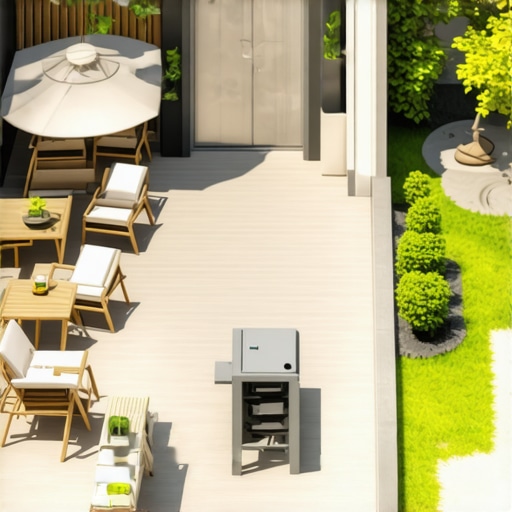
First, assess your yard’s layout and determine distinct zones based on purpose. For example, designate a corner for dining, a cozy nook for relaxation, and a section for entertainment. I learned this by sketching my space on graph paper, which revealed that creating separate zones allowed easy navigation and prevented clutter. Use inexpensive markers or spray paint to outline potential zones on your actual deck, simulating their real positions.
Calculate Your Deck’s Square Footage
Accurately measuring your deck is crucial for planning zones, furniture, and safety clearances. My experience was messy until I tried this quick method, which involves measuring length and width and multiplying. Once I knew my total space, I divided it proportionally among zones, ensuring each got enough room for comfortably placed furnishings and movement. Avoid overloading your deck, as poor zoning can create safety issues and reduce usability.
Design with Depth and Purpose
Each zone benefits from tailored features: a dining area might need a large table, a relaxing spot needs comfortable chairs, and entertainment zones require a fire pit or a media setup. I wanted a kid-friendly zone, so I checked out these tips. Incorporate physical boundaries like planters, rugs, or low fencing to visually separate areas, which helps define space and adds aesthetic value. Also, consider the flow, making sure that pathways are wide enough—a minimum of 36 inches is ideal, especially if you plan to host gatherings.
Prioritize Safety and Drainage
Prevent water pooling by planning proper drainage between zones. I made the mistake of ignoring this and ended up with muddy patches after rain. To fix this, I installed small gravel beds and sloped the deck surface, mimicking a mini river system guiding water away. For detailed drainage strategies, check this expert guide. Proper drainage not only protects your deck structure but also keeps the zones dry and safe for everyone.
Choose Compatible and Complementary Materials
Material selection influences both aesthetics and cohesion. I opted for different decking boards for each zone—composite for the main dining area, natural cedar for relaxation spots—to create visual contrast and functional differentiation. To ensure longevity, I researched durable fasteners such as these corrosion-resistant options. Remember that some materials may perform better under specific conditions—consider your climate and maintenance capacity when making choices.
Incorporate Functional Elements for Comfort
Add built-in features like integrated lighting, power sources, or even shade structures aligning with each zone’s needs. I installed solar post caps in my cozy nook to illuminate late-night reading sessions. When designing for entertainment, consider outdoor cinema setups—they turn your deck into a true backyard haven. Think about comfort and accessibility, like having enough space for foot traffic and ergonomic seating options.
Plan for Flexibility and Expansion
Your needs might evolve. I built a modular section using movable furniture and removable planters, making it adaptable. For insights on future-proofing your design, explore trends. Incorporate infrastructure that allows easy updates or modifications—like adding a pergola or expanding zones—without major overhaul. This foresight saves money and stress down the line.
Execute with Precision and Safety
When it’s time to build, follow best practices: level your deck frame meticulously, use quality fasteners, and check local codes. My first attempt was uneven until I used a laser level, which I highly recommend. For detailed guidance, see this tutorial. Proper execution ensures your zones are not only beautiful but also safe and durable, ready to host years of memories.
Many homeowners assume that selecting a deck builder in Needham is as simple as finding someone with a good reputation or the lowest price. However, in my experience, this approach often leads to overlooked details that can affect your project’s longevity and safety. A common misconception is that all deck builders are equally equipped to handle the unique challenges of New England’s climate. But the truth is, experience with local weather patterns plays a crucial role in ensuring your deck withstands harsh winters and humid summers. Neglecting this nuance can lead to premature wear, warping, or rot. Additionally, many believe that permits and codes are a one-time concern, but failing to verify a contractor’s adherence to current local regulations can result in costly legal issues. For example, overlooking proper drainage planning—a detail I learned the hard way—can cause water pooling, leading to structural problems over time. Expertise in these subtleties isn’t always apparent at first glance, so ask your contractor about their experience with needham-specific challenges.
How do I maintain my deck over time while preventing common issues?
Regular upkeep is essential for preserving the beauty and safety of your deck. I rely heavily on high-quality pressure washers, like the Simpson Cleaning Engine Professional Series, which offers adjustable pressure settings perfect for cleaning without damaging delicate wood grains. When combined with eco-friendly cleaners, such as oxygen bleach solutions, I ensure dirt and stains are lifted gently yet effectively, reducing the risk of splintering or warping. For detailed guidance, see this article on deck maintenance. Additionally, scheduling biannual inspections helps catch loose fasteners, rotting wood, or compromised railing connections early, preventing costly repairs and securing your family’s safety.
What advanced tools can help me achieve a professional look?
Investing in specialized tools, like a laser level, can dramatically improve accuracy during repairs or renovations. I use a Bosch Rotary Laser Level for ensuring that new joists or railing installations are perfectly aligned, which not only enhances appearance but also enhances safety. For finishing touches, a high-quality caulking gun allows precise sealing of gaps and cracks, protecting your deck from water intrusion. When applying stains or sealers, I favor sprayers over brushes for consistent, even coverage. Modern deck staining equipment like the Wagner Control Sprayer speeds up the process and minimizes uneven streaks. To explore the latest in durability, I recommend comparing materials like TimberTech and Trex, as they’re expected to evolve significantly by 2026, influencing your long-term maintenance plans.
The future of deck upkeep might entail smarter, automated solutions
Trend predictions point toward smart deck monitoring systems—integrating sensors that track moisture, temperature, and wear—becoming commonplace. These innovations could notify homeowners of potential problems before visual signs appear, saving time and money. For example, moisture sensors attached under the decking can alert you when drainage issues arise, preventing rot and mold growth. Incorporating such tech now might seem ambitious, but starting with routine assessments and quality maintenance ensures your deck remains a safe haven. For inspiration on keeping your deck protected during harsh weather, check this expert advice.
How do I maintain my deck’s appearance and function long-term?
Consistency is key. Schedule regular cleaning, inspections, and sealing—aim for at least once a year—to prolong your deck’s lifespan. Using durable fasteners like stainless steel screws prevents rust and loosening, especially in the moist New England climate. Routinely checking for signs of rot or structural weakness helps you address issues proactively. Moreover, applying a high-quality sealant tailored for your deck material preserves its look and repels water damage. Adopting a proactive maintenance routine ensures your outdoor space remains inviting for years to come. Remember, staying ahead is more manageable when you utilize specialized tools and follow expert advice, like those found on comparing decking materials. Don’t wait until problems become visible—start your maintenance schedule today and enjoy a durable, beautiful deck that stands the test of time.
3 Lessons I Wish I’d Learned Sooner About Decks in Needham
- Clear Zones Boost Usability: Initially, I thought openness was key, but creating distinct areas for dining, relaxing, and entertainment made all the difference in flow and safety.
- Drainage Matters More Than You Think: Overlooking water runoff caused muddy patches and rot. Incorporating proper drainage strategies early saved me headaches later.
- Material Choice Can Make or Break Your Deck: Mixing composite with natural wood added visual interest and durability, proving that thoughtful material selection pays off over time.
My Toolbox for Deck Success in Needham
- Sandpaper and a quality sander: Essential for smooth finishes, especially when refreshing older decks.
- Local expertise: A seasoned contractor familiar with Needham’s climate transformed my project from novice to pro.
- Measuring tape and laser level: Accurate measurements ensured my zones fit perfectly without clutter.
- Quality fasteners and materials: Investing in durable fasteners prevented rust and structural issues down the line.
Your Next Step: Build With Confidence
Designing a multi-functional deck might seem daunting at first, but armed with these insights and the right tools, you’re well on your way to creating a backyard oasis tailored to your needs. Remember, every successful project starts with a plan—and a willingness to learn from both successes and mistakes. Take that first step today, and soon you’ll be enjoying your own personalized outdoor haven. Have you faced challenges when planning your deck zones? Share your story below and let’s learn together!
,