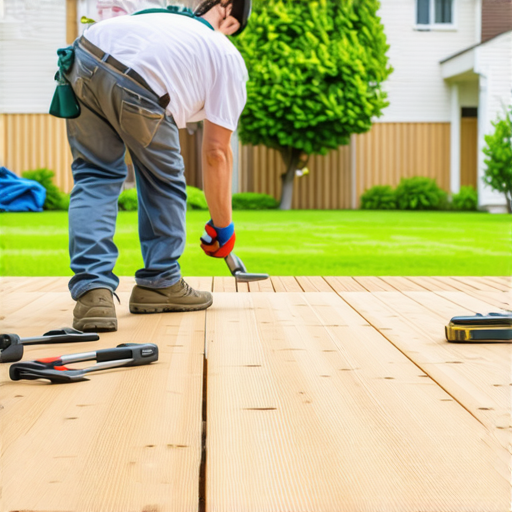
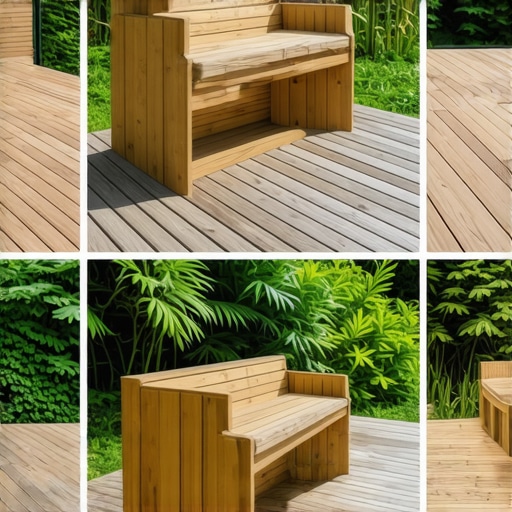
There was a Saturday afternoon not long ago when I stood in my backyard, staring at my deck—and feeling a knot form in my stomach. My outdoor space, once a haven for family gatherings and quiet evenings, had become cluttered and cramped. Despite my efforts, I couldn’t shake the feeling that I was wasting valuable space. That was my lightbulb moment. I realized that the key to transforming my deck into a functional oasis was not just about adding more furniture, but about designing custom solutions tailored to my needs.
Why settling for generic benches can hold you back from truly maximizing your outdoor area
When I first started this journey, I believed that any bench would do—simple, off-the-shelf options seemed convenient and budget-friendly. But reality hit hard when I realized these standard designs often don’t fit the unique contours of your deck or your lifestyle. They can end up taking up more space than necessary or foot-traffic can be hindered. Plus, they rarely address specific storage needs or aesthetic preferences. The mistake I made early on was neglecting to think creatively about bespoke solutions, which could have saved me space and enriched my outdoor experience.
Is Custom Bench Design Overhyped or Actually Worth It?
It’s natural to wonder if investing time and effort into custom designs is justified. I used to be skeptical about whether it would really make a difference. But from personal experience, a well-crafted, custom-built bench can optimize every inch of your deck. It offers tailored storage, better comfort, and a seamless look that complements your overall outdoor style. And if you’re concerned about the complexity, trust me—skipping this step might leave you with wasted space and frustration instead of the inviting oasis you envision. Don’t forget, even simple modifications like integrating storage into your benches can dramatically improve functionality. You might want to check out ideas on creating a shaded oasis or safeguarding your deck with professional safety tips as well.
Early on, I also made the mistake of overlooking the importance of durability—assuming that inexpensive materials would suffice. That was a costly oversight. According to experts, choosing high-quality wood or composite materials can extend your bench’s lifespan significantly, especially in a climate like Needham’s, where weather can be unpredictable. For inspiration and practical tips, exploring topics like [the best hardwoods for tough New England weather](https://deckbuildersneedham.com/the-best-hardwoods-for-needham-weather-in-2026) can be invaluable.
This is just the beginning. Next, I’ll guide you through innovative structural ideas that turn simple benches into space-maximizing marvels. Ready to rethink your outdoor furniture and make every inch count? Let’s dive into some practical, custom solutions that can drastically elevate your deck.
Design Your Perfect Bench Layout
Start by measuring your deck’s available space. Use a tape measure to note lengths and widths, then sketch a layout that incorporates your desired seating and storage. Think of this step as laying out a blueprint before building—it’s essential to visualize how each piece fits. I once spent a weekend drawing multiple sketches on graph paper, experimenting with different configurations until I found one that maximized space without feeling cramped.
Select Durable, Weather-Resistant Materials
Choose materials suited for Needham’s climate. High-quality cedar or composite boards are excellent options for longevity and low maintenance. When I built my bench, I opted for pressure-treated cedar, which handled the Boston rainstorms well. For added strength, consider using hidden fasteners—these create a seamless surface and reduce wood splitting, making your bench safer and more attractive. Check out [why hidden fasteners are worth the extra labor](https://deckbuildersneedham.com/why-hidden-fasteners-are-worth-the-extra-labor-time) for more insights.
Construct a Sturdy Frame
Begin by building the base frame with pressure-treated lumber. Use galvanized or stainless-steel screws to prevent rust. Think of this as building the backbone—you want a solid foundation to support weight and resist movement. I once made the mistake of using cheap nails, which caused my bench to wobble after a few months. Ensuring proper framing and anchoring will pay off in the long run, especially in a climate with frequent humidity.
Incorporate Storage Every Inch Counts
Design your bench with built-in compartments. Use waterproof hinges and sealant to protect stored items from the elements. I installed a flip-top lid with magnetic catches, creating a hidden compartment for cushions and gardening tools. This approach keeps clutter off your deck and makes your space more functional. Remember, integrating storage doesn’t have to compromise comfort; it’s about clever design.
Finish with Protective Coatings
Apply weatherproof sealant suitable for outdoor use. This step acts as armor against rain, sun, and temperature changes. I used a marine-grade sealant that provided a glossy finish and excellent water resistance. Reapply every couple of years to maintain appearance and durability. Proper sealing is the cherry on top, extending your bench’s lifespan and keeping it looking new.
Install Comfortable Padding and Decor
Combine your manufactured benches with weather-resistant cushions and decorative elements to enhance comfort. Think of this as accessorizing your outfit—details matter. I added cushions with quick-dry foam and colorful throw pillows, transforming my deck into a cozy retreat. For tips on creating shaded comfort, check out [creating a shaded oasis on your deck](https://deckbuildersneedham.com/creating-a-shaded-oasis-on-your-deck-with-modern-umbrellas). This step personalizes your space while making it inviting year-round.
Ensure Safety and Stability
Double-check all fastenings and supports. Regularly inspect your benches, especially the joints and fasteners, to prevent accidents. Use a level to verify even surfaces. For added safety, review [checking your deck guardrails for strength and safety](https://deckbuildersneedham.com/checking-your-deck-guardrails-for-strength-and-safety). Taking these precautions ensures your custom benches are not only beautiful but also secure for family and friends.
While many homeowners and DIY enthusiasts focus on the obvious aspects of deck building like choosing materials and layout, there’s a subtlety often missed: the nuanced understanding of local climate effects and maintenance strategies. Many assume that selecting durable materials alone guarantees longevity, but in reality, nuances such as proper sealing techniques, seasonal weather impacts, and preventative inspections play a crucial role in preserving your deck’s integrity over decades. For instance, even the best hardwoods can succumb to neglect if not adequately sealed against moisture and temperature fluctuations, especially in a variable climate like Needham’s. Experts highlight that regular inspections—checking for loose fasteners or warping—can prevent minor issues from escalating into costly repairs later on, emphasizing that maintenance is an ongoing process rather than a one-time task. One common myth is that composite decks require no upkeep; however, advanced studies show that cleaning with appropriate solutions and protective coatings extends their lifespan and maintains aesthetic appeal. Beware of the trap of underestimating the importance of hidden fasteners and proper drainage, which, if neglected, can lead to structural weaknesses over time. Ready to dig deeper? Properly understanding and addressing these nuanced factors can save you money and frustration in the long run. Have you ever fallen into this trap? Let me know in the comments. For more expert insights, check out [why hidden fasteners are worth the extra labor](https://deckbuildersneedham.com/why-hidden-fasteners-are-worth-the-extra-labor-time). Remember, a well-informed builder or homeowner doesn’t just follow trends—they anticipates and mitigates potential pitfalls that can compromise outdoor spaces.
Keep Your Deck Sound with the Right Tools
Maintaining a deck requires precision and the right equipment. I personally swear by a high-quality cordless orbital sander when prepping wooden surfaces; it ensures a smooth, clean finish without damaging the grain. Additionally, a digital moisture meter is invaluable for assessing wood health, especially after harsh winters, guiding when to reseal using dedicated sealers like top sealants. Regularly inspecting fasteners with a cordless drill fitted with a torque adapter can prevent looseness, which is crucial for safety and longevity. Over time, I’ve found that investing in durable, weather-resistant tools minimizes replacement costs and enhances maintenance efficiency.
Long-Term Care: Embracing Routine and Upgrades
Consistent maintenance, such as cleaning and sealing, dramatically extends a deck’s lifespan. For instance, I recommend scheduling a deep cleaning every spring using gentle solutions like oxygen bleach, avoiding power washers that might erode wood fibers. Applying sealant from a reputable provider—evaluating options based on industry standards—is essential after cleaning. Considering durable materials such as composite boards can also reduce ongoing upkeep, especially in Needham’s variable climate. Planning for periodic inspections, including checking guardrails as described in safety checks, ensures your deck remains safe and visually appealing for years ahead.
Scaling Your Deck for Future Needs
As your outdoor space evolves, so should your maintenance approach. Installing modern lighting, like energy-efficient LEDs, requires minimal upkeep but adds significant ambiance. To manage large gatherings or seasonal changes, consider upgrading to weatherproof furniture and protective coverings for high-traffic zones. Embrace technological advances—smart sensors integrated into deck lighting or heaters can notify you of issues before they become costly repairs, a practice gaining traction among forward-thinking Needham homeowners. Staying ahead with these tools and tips supports sustainable, beautiful outdoor living.
How do I maintain my deck over time?
Regular inspections are the cornerstone of long-term deck management. Checking fasteners, like in the post brackets article, can catch issues early. Routine cleaning with gentle, non-abrasive solutions and reapplying sealant every few years prevent moisture damage and decay. Upgrading hardware to corrosion-resistant options—such as stainless steel or hidden fasteners—can save you from frequent repairs. And don’t forget safety! Periodic review of guardrails and stairs, referencing certified builder standards, ensures your deck remains a safe retreat for family and friends. The future of deck maintenance will increasingly involve smart technology—think sensors that monitor wood moisture levels—making proactive care easier and more effective. Take the initiative today: try using a moisture meter to assess your deck’s health and plan your sealing schedule accordingly.
The Most Unexpected Lessons From My Deck Making Journey
One of the biggest surprises I encountered was realizing that my initial focus on choosing the perfect materials was just the tip of the iceberg. I learned that the real secret to a durable, beautiful deck lies in understanding maintenance nuances, like proper sealing and routine inspections, especially given Needham’s climate. Also, I discovered that avoiding shortcuts such as neglecting hidden fasteners or skimping on drainage solutions can save you money and stress in the long run. These insights solidified my commitment to ongoing education and proactive care, which transformed my outdoor space into a true sanctuary rather than a money pit.
Tools and Resources That Changed the Game for Me
Over time, I found that investing in quality tools—like a top-tier cordless orbital sander and a reliable moisture meter—made routine maintenance much more manageable. For learning, I highly recommend referencing industry-leading guides and trusted resource sites like Why Hidden Fasteners Are Worth the Extra Labor, which helped me appreciate the importance of subtle details. Additionally, books such as “The Complete Guide to Deck Maintenance” expanded my understanding of long-term care strategies. These resources provided practical tips rooted in Needham’s unique weather patterns, ensuring my efforts were effective and sustainable.
Your Next Chapter in Deck Building Starts Now
If you’re ready to turn your outdoor space into an enduring haven, remember that every smart choice—from selecting quality materials to routine inspections—adds up. Don’t be discouraged by initial setbacks or the daunting scope of customization; instead, see it as an exciting opportunity to craft a space that reflects your lifestyle and withstands time. The journey toward a perfect deck isn’t just about building—it’s about caring for your space with knowledge and passion. So, pick up that toolkit and take the first step toward creating a backyard masterpiece that will serve generations to come.
What aspect of deck maintenance or design are you most eager to improve? Share your thoughts below and let’s build together!
,