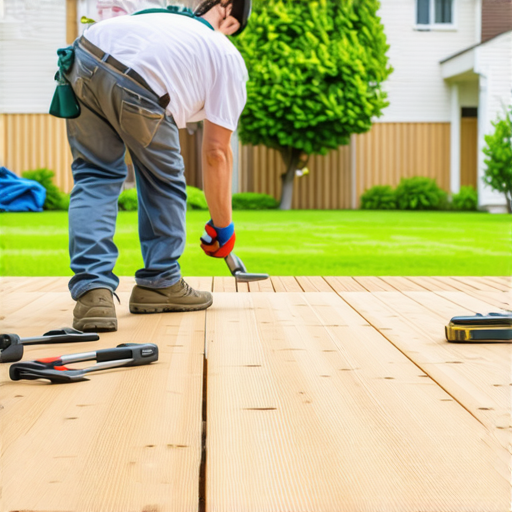
I remember the first time I stepped onto my deck and immediately noticed those tiny cracks forming along the edges of my favorite boards. Instead of the inviting space I envisioned, it looked tired and neglected. The lightbulb moment hit me hard — I didn’t have to replace the entire deck just because of a few cracks. With a bit of patience and some expert-approved tips, I discovered that I could fix those cracked boards without the hassle and expense of a full replacement.
How to Repair Cracked Deck Boards Without Replacing the Whole Deck
Assess the Damage Thoroughly
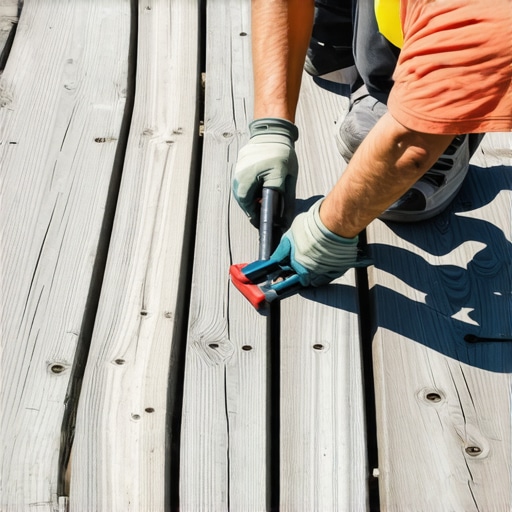
Begin by inspecting each cracked board carefully. Check the extent of the crack—small surface splits may only need a simple fix, while larger splits might require replacing the individual board. As I did last summer, I used a pry bar to gently lift the edges of a cracked board, revealing whether the damage was superficial or more pronounced. This initial step prevents unnecessary work on boards that are still structurally sound.
Clean and Prepare the Surface
Remove any debris, dirt, or loose wood fibers around the crack using a stiff-bristled brush or a vacuum. For stubborn grime, a mixture of mild soap and water works well—but ensure the surface dries completely before proceeding. I once applied a degreaser on a particularly greasy spot, which made the repair adhere better later. Proper cleaning ensures the sealant or wood filler bonds effectively.
Select the Appropriate Repair Material
Choose a high-quality wood filler, epoxy, or exterior-grade caulk designed for decking. Consider your deck’s material—pressure-treated wood, composite, or cedar—as different fillers perform better with each. For small cracks in cedar boards, I prefer a weather-resistant wood epoxy, which provided a seamless finish. This choice minimizes future cracking and extends the life of your boards.
Apply the Repair Product Correctly
Use a putty knife or caulking gun for precise application. Fill the crack completely, pushing the filler into the gap to prevent air pockets. Smooth the surface with the edge of your tool to blend it with the board’s grain. Take note: overfilling slightly is better than under-filling. I once mistakenly underfilled a crack, which later expanded—learning this the hard way emphasized the importance of thorough filling.
Finish and Protect the Repaired Area
Once the filler cures, sand it lightly with fine-grit sandpaper until flush with the surface. Then, apply a matching stain or sealer to blend the repair invisibly. For added protection, consider sealing the entire deck with a weatherproof finish. When I repaired my deck, I opted for a water-repellent stain, which successfully prevented new cracks from forming. Regular maintenance like sealing can prevent future issues and prolong your deck’s lifespan.
Address Underlying Causes to Prevent Future Cracks
Cracks often form due to moisture fluctuations and sun exposure. Ensure your deck has proper drainage and consider adding shading elements. If your deck is aging or shows signs of shifting, consult a professional for structural assessments. For example, I noticed my deck boards cupping slightly, prompting me to learn about proper ventilation—check out this guide for strategies. Correcting underlying issues stops cracks from recurring and saves you time and money in the long run.
Many homeowners believe that choosing the cheapest or most visible contractor will yield the best results when updating or repairing their decks. However, this approach often overlooks critical nuances that influence durability and safety. For instance, a prevalent myth is that all deck builders are equally trained and experienced; in reality, expertise varies widely. Hiring an unqualified contractor can lead to poor workmanship, resulting in safety hazards or costly repairs down the line. Additionally, some assume that standard materials are sufficient for every project, but advanced composite options or specialized fasteners, such as hidden fasteners, often provide superior longevity and aesthetic appeal.
What advanced techniques can optimize deck longevity and safety?
In my experience, incorporating expert-approved methods, like proper joist planning and meticulous sealing, makes a significant difference. These nuances are backed by research from industry experts—applying proper ventilation and moisture barriers, for example, can prevent common issues like warping or rot, especially in Massachusetts’ climate. Skipping these details might seem convenient initially but can cause long-term headaches. Also, many underestimate the importance of adhering to updated building codes, such as the new guardrail height requirements, which demand attention to detail and proper installation. Neglecting these regulations not only jeopardizes safety but can also cause legal issues if inspected later.
To avoid these pitfalls, thoroughly vet your contractor’s credentials, ask about their experience with specific materials, and ensure they stay current with regional codes. For instance, you might want to verify if your chosen builder is familiar with the latest standards for deck railing height by checking the current Massachusetts regulations. Remember, a skilled deck builder focuses on long-term performance, not just quick fixes. This attention to detail might take extra effort upfront but pays dividends in safety and durability. Have you ever fallen into this trap? Let me know in the comments.Maintaining a deck over the years requires more than just routine cleaning. Investing in high-quality tools and adopting proven methods ensures your deck remains safe, attractive, and durable. I rely on a few specific pieces of equipment that I personally tested and found indispensable for long-term results. For instance, my preferred cordless impact driver, the Makita XDT131, combines power and portability, making it ideal for fastening hidden fasteners as discussed in this guide on hidden fasteners. Its brushless motor maintains consistent torque, which prevents wood splitting and ensures secure attachment even after years of use.
In addition to power tools, I recommend a digital moisture meter, like the Wagner MCC700, to monitor wood moisture levels regularly. Consistent moisture readings help you identify hidden rot or moisture buildup that could compromise your deck’s stability. Regular inspections paired with these tools can catch issues before they develop into costly repairs, aligning with expert maintenance advice.
For cleaning, I swear by eco-friendly oxygen bleach solutions instead of harsh power washers. This method effectively removes pollen, algae, and grime without stripping away protective sealants, as explained in this article on safe cleaning techniques. Combining these cleaning practices with periodic sealing prevents the formation of cracks and warping, extending the life of your deck.
Looking ahead, I believe that technology will play an even bigger role in decking maintenance. Smart sensors embedded in deck surfaces can now monitor structural integrity and environmental conditions in real-time, alerting homeowners to potential problems early. This proactive approach could revolutionize how we approach long-term deck care, reducing surprises and costly repairs.
So, how do you maintain your deck over time? Focus on consistent inspections with the right digital and manual tools. Regularly check moisture levels, tighten fasteners, and clean with eco-friendly solutions. As a practical tip, I encourage trying out a rechargeable impact driver with adjustable torque settings, which can make your DIY repairs much smoother and safer. Don’t forget to stay informed about advancements—such as smart monitoring systems—as they become more accessible. Incorporate these expert tips into your routine, and your deck will thank you for years to come! 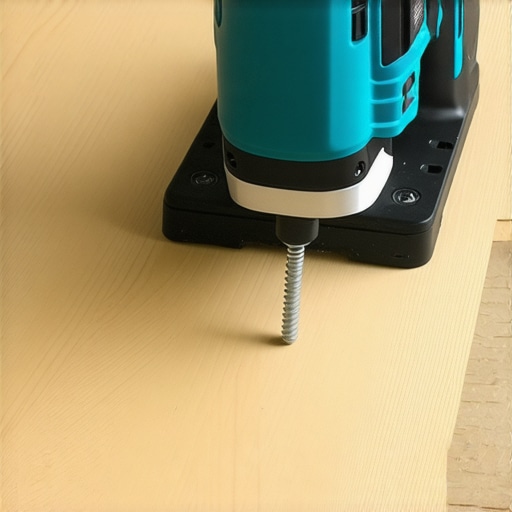
How I Discovered the Power of Small Fixes Over Big Replacements
One of the biggest lessons I learned in my deck repair journey is that many cracks and damages can be fixed without the upheaval of a full replacement. Sometimes, the tiniest imperfections hide the potential for a simple fix, saving you time and money.
The Hidden Costs of Ignoring Proper Repair Techniques
Skipping professional advice or using low-quality materials might seem tempting at first, but the long-term consequences—like faster deterioration or safety hazards—are often hidden costs you can’t afford. Taking the time to select the right products and methods means your deck stays beautiful and safe for years to come.
Why Regular Inspection Outperforms Annual Repairs
Routine, attentive inspections reveal problems early, often before they become visible or structural. I found that integrating simple tools like moisture meters and visual checks into my seasonal maintenance kept my deck in top shape, drastically reducing emergency repairs.
Overcoming Myths About Deck Maintenance and Repair
There’s a common misconception that tackling repairs is always complex or requires complete overhaul. In reality, understanding your specific deck’s needs, combined with expert-approved techniques like proper sealing and fastening, can dramatically extend its lifespan. For example, I learned that hidden fasteners not only enhance aesthetic appeal but also contribute to structural integrity when installed correctly.
Is Your Deck Ready for the Next Season? Here’s My Checklist
Before the cold sets in or the warm weather arrives, run through a comprehensive checklist: inspect for loose boards, ensure guardrails meet current codes, and reapply sealant where needed. Using trusted tools like impact drivers and moisture meters, I can prepare my deck proactively, avoiding costly surprises down the road.
My Ultimate Toolbox for Deck Care
Over the years, I gathered a set of reliable tools that made upkeep easier: cordless impact drivers for fasteners, digital moisture meters for early rot detection, eco-friendly cleaning solutions, and quality sealers. My favorite resources include detailed guides on repairing squeaky decks and hidden fastening systems. These investments have paid off by stretching the life of my decking investment.
Empowering You: Take Charge of Your Deck’s Future
Repairing and maintaining your deck doesn’t have to be overwhelming. With the right knowledge, tools, and mindset, you can handle minor repairs yourself, preventing major issues later. Think of it as a long-term relationship—consistent care and attention lead to beautiful, durable outdoor spaces. Ready to roll up your sleeves and give your deck the TLC it deserves? Your backyard sanctuary awaits! Share your biggest deck repair challenge below and let’s troubleshoot together.