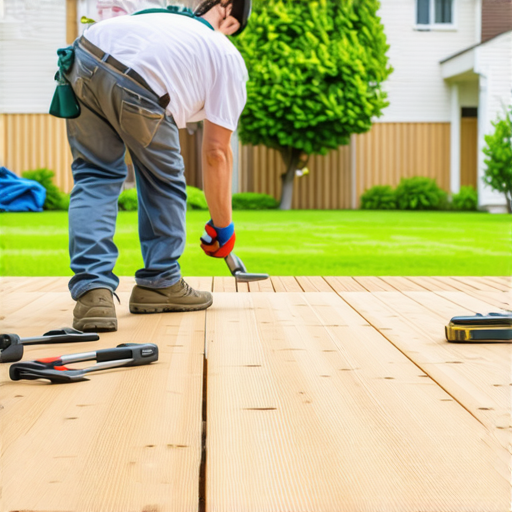
I’ll never forget the first time I attempted to build my own deck. I had a vision, a weekend free, and a toolbox ready. But by day two, I was knee-deep in frustrating mistakes, wondering if I’d bitten off more than I could chew. Sound familiar? Building a deck seems straightforward—until you realize that a single misstep can turn your dream outdoor space into a safety hazard or a money sink.
Here’s the deal: many homeowners jump in with enthusiasm but without fully understanding the pitfalls that trip up even seasoned DIYers. Having made my fair share of blunders early on, I learned that avoiding the most common mistakes can save you time, money, and a lot of headaches. Today, I want to share the critical errors to steer clear of so your deck project is a success, not a stressor.
The Importance of Laying a Solid Foundation
One mistake I see all the time—especially among first-timers—is rushing into the assembly without ensuring a robust foundation. The foundation is what holds your entire deck together, supports your weight, and withstands the elements. Skimping here can lead to wobbly rails, uneven surfaces, or worse, structural failure.
For example, not planning the joist layout properly can cause issues down the line. If you’re unsure about how to make your deck sturdy and safe, I highly recommend looking into proper joist layout techniques. Proper framing is the backbone of your project and essential for longevity.
Have you already faced challenges with deck stability or unevenness? Trust me, catching these problems early on makes a world of difference. In the sections ahead, I’ll guide you through common pitfalls and how to avoid them, ensuring your build is both beautiful and safe.
Is DIY Deck Building Actually Worth the Hype?
An early mistake I made was underestimating the importance of accurate measurements and planning—thinking I could fudge details as I went. Spoiler: precision matters more than you think. While building your own deck can be rewarding, it often requires a careful eye for detail and adherence to local codes, which isn’t always obvious to first-timers. Skipping professional advice or proper planning can cost you dearly in both time and money.
According to recent studies, DIY projects often end up costing more than hiring a professional due to mistakes and rework—yet many still prefer to tackle these tasks themselves. To ensure you’re making an informed decision, I recommend reviewing comprehensive guides and consulting experts when needed. Remember, a well-built deck is an investment: a safe space for family and friends for years to come.
Let’s dive deeper into these mistakes and learn how to sidestep them, starting right now.
Prioritize Accurate Measurements from the Start
One of my first attempts at building a deck was fraught with uneven gaps because I rushed measuring the space. To avoid my mistake, I used a sturdy tape measure, a level, and marked the layout carefully. I double-checked dimensions, ensuring consistency across all sections, which prevented future wobbling or misalignments. Remember, precise measurements act as the blueprint for your entire project, preventing costly errors later.
Lay Out a Robust Framing System
The framing is your deck’s skeleton, so don’t cut corners. Start by setting concrete footings at evenly spaced intervals—typically every 6 to 8 feet—using a post-hole digger and a level to verify the height. After installing pressure-treated posts, attach beams and joists with galvanized screws, ensuring they’re square and level. For guidance, I consulted proper joist layout techniques. This approach guarantees a solid base that resists shifting, warping, or collapsing over time.
Ensure Proper Joist Spacing and Support
Spacing between joists is critical. Too wide, and your decking boards will bend; too narrow, and you’ll waste materials and add unnecessary weight. My experience taught me that sticking to a 16-inch on-center spacing provides strong support without excess. Use a framing square or a straightedge to mark joist positions, then secure them with joist hangers. Prioritize checking the alignment frequently to maintain symmetry, which is vital for the deck’s stability and aesthetic appeal.
Choose Materials Wisely and Follow Local Codes
Select pressure-treated lumber or composite materials suited for your climate. Always verify that your design complies with local building codes—failure to do so can lead to unsafe structures or legal issues. I once overlooked a specific setback regulation, which delayed my project until I corrected the planning. Consulting your local building department or professional contractors can save you these headaches. Remember, a compliant, well-supported frame lays the groundwork for a durable, safe outdoor space.
Double-Check Critical Load-Bearing Elements
Finally, assess your deck’s weight limits, especially if you plan to add heavy furniture or plan gatherings. Use online calculators or consult an expert to ensure your structure can support the intended load—learn more about this at weight considerations. During my build, I tested the support beams by adding weight gradually and monitoring for any flex or creakiness. This step reassures safety and longevity, giving you peace of mind for years to come.When people think of hiring a deck builder in Needham, many assume that selecting the lowest bid guarantees the best value. However, this common misconception often leads homeowners to overlook crucial nuances, such as the importance of proper joist layout and adherence to local code requirements. In my experience, focusing solely on price without evaluating quality and expertise can result in costly repairs or safety hazards down the line. Let’s challenge the idea that all contractors are equally capable; in reality, the difference lies in their attention to detail and understanding of advanced construction techniques. For example, many underestimate how vital a precise framing system is for deck longevity, which proper joist layout techniques address comprehensively. Overlooking this can lead to uneven surfaces or structural failure, especially with heavier loads or harsh weather conditions. Another myth is that sealing or treating older decks isn’t worth the effort; however, applying the right protective layers can add years to your deck’s lifespan, as detailed in how to seal an old deck. Don’t fall into the trap of assuming DIY solutions suffice when expert knowledge can prevent expensive mistakes. If you’re questioning whether your deck is up to code or need guidance on advanced repairs, seeking professional input ensures safety and durability. Keep in mind, selecting the right contractor involves evaluating their experience, understanding their attention to detail, and verifying their familiarity with local building standards. Have you ever fallen into this trap? Let me know in the comments.
Essential Tools for Long-Term Deck Care
Having the right tools makes all the difference in maintaining your deck’s integrity over time. I personally rely on a high-quality cordless drill equipped with a variable speed setting; it allows me to tighten screws precisely without damaging the material. Additionally, a good moisture meter helps me detect areas prone to water intrusion, which is critical for preventing wood rot. For cleaning, I prefer a soft-bristle deck brush paired with a pump sprayer filled with a specialized deck cleaner, ensuring gentle yet effective maintenance.
To seal and protect, I use a pump sprayer designed for even application of sealants or stains, such as the Wagner Spraytech model — its adjustable nozzle ensures a uniform coat, extending the lifespan of your deck surface. Investing in quality tools not only speeds up the process but also results in a more professional finish, safeguarding your investment for years to come.
Software and Methods for Deck Renovation Planning
For more complex projects, I turn to digital tools like proper joist layout software. These programs allow me to visualize the deck’s structure in 3D, helping identify potential problem spots before physical work begins. Additionally, they assist in calculating load capacities and designing support systems aligned with local codes, which is vital for safety and compliance.
Implementing a routine maintenance schedule is another best practice. I recommend setting quarterly reminders to check for signs of wear, loose fasteners, or water damage. Regular inspections allow you to catch issues early — for example, detecting a wobbling stair tread can prevent accidents. Incorporating preventative measures, like sealing your deck periodically, extends the pleasure of an outdoor space while saving money on costly repairs.
How do I maintain my deck over time to ensure durability?
Consistent cleaning and sealing are your best allies. Use a mixture of oxygen bleach and water for safe cleaning that lifts pollen and algae without harming the wood or composite surface. Applying a high-quality sealant every few years, especially before winter, bolsters water resistance and prevents seepage into wood joints. For detailed guidance, check how to seal an old deck.
Predicted trends suggest a rise in sensor-based maintenance tools, like moisture sensors embedded into the deck surface, allowing homeowners to monitor risks remotely. Investing in smart maintenance methods now prepares your deck for the future, making upkeep more proactive and less labor-intensive. I challenge you to try a professional-grade sealant and set up a regular inspection routine this season — small steps that have a significant impact on your deck’s longevity.
Lessons That Didn’t Make the Manuals
One of the most impactful lessons I learned was the importance of trusting expert advice, especially on framing and joist layout. Early in my project, I thought I could wing it, but double-checking with professionals saved me from a wobbling deck that could’ve been a safety hazard. Real growth came when I embraced expertise, realizing that building a safe deck means knowing when to ask for help.
Another revelation was that patience pays off—rushing measurements or skipping inspections only led to rework and frustration. The peace of mind I gained by taking my time made the final result even more satisfying. Sometimes, stepping back and reassessing is the best way to ensure durability and beauty in your deck.
Finally, I understood that maintenance isn’t a chore but an investment. Regular cleaning, sealing, and inspections meant my deck stayed sturdy and beautiful for years, especially when I incorporated smart tools like moisture sensors. These insights transformed my decking experience from a DIY disaster to a rewarding project I cherish.
Tools and Resources That Made a Difference
My essential toolkit includes a high-quality cordless drill—trust me, a good one makes a world of difference in precision. The proper joist layout techniques guide was my go-to resource for framing. It helped me understand complex support structures and avoid common pitfalls. For sealing my deck, I rely on a trusted high-quality sealant and a pump sprayer, ensuring even coverage and long-lasting protection.
When planning future upgrades, I’ve found that digital tools like joist layout software give invaluable insights into structural integrity. These resources empower you to make informed decisions and execute projects that stand the test of time.
This is Your Decking Moment
Building or renovating your deck isn’t just about adding outdoor space; it’s about creating a haven that lasts. Embrace the lessons, leverage the right tools, and trust the process. Every step you take now will pay dividends in the years ahead, turning your vision into a safe, beautiful reality that welcomes family and friends alike. Now’s the time—get out there and make your dream deck happen!
Reading through the post really resonated with my own experience of building a deck. I learned the hard way that rushing into framing without a solid foundation can cause serious headaches later on. Proper planning and precise measurements are truly worth the extra time, especially because small errors early on tend to compound. I also found that consulting local building codes and possibly even expert advice saves a lot of trouble down the line. Have others in the community faced challenges with joist spacing or material choices? I’d love to hear how you approached these aspects when working on your decks. Personally, I’ve started using digital design tools to better visualize the final result beforehand, which helps catch potential issues early. It’s amazing how modern tech can make such a difference in DIY projects. What are your go-to strategies for ensuring your deck stays durable over time, particularly against weather wear? Looking forward to hearing some tips from fellow DIYers!