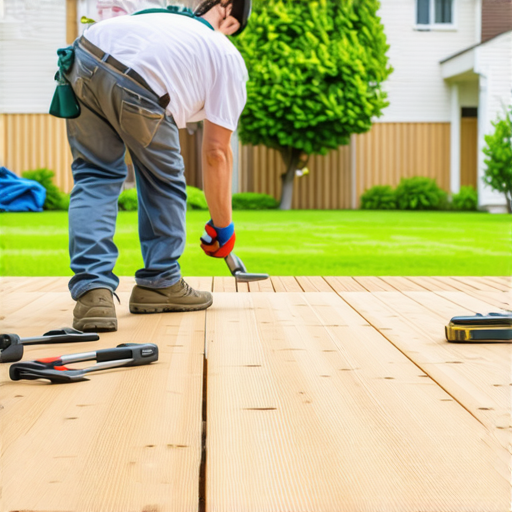

I remember the first time I stepped onto my freshly stained deck in early spring—barefoot, feeling the warm sun, only to gasp at how rough and splintered the wood felt under my toes. It was a wake-up call. I had spent so much time choosing the perfect stain and sealing every detail that I overlooked a crucial aspect: the type of wood I used and how it interacts with my skin, especially when barefoot. That realization sparked a journey to understand the real story behind pressure treated wood and what it means for barefoot comfort.
Why the Fine Print on Pressure Treated Wood Matters
Many homeowners, myself included, tend to focus on the aesthetics and durability of their decking materials. But lurking beneath the surface is a less glamorous truth—pressure treated wood, while excellent at resisting rot and pests, often contains chemicals that can irritate bare skin and even pose health risks over time. If you’ve ever experienced itchy feet or noticed a strange smell after walking barefoot on your deck, chances are you’ve encountered this subtle yet significant issue.
The key is understanding what’s in that treated wood and how to handle it properly to keep your outdoor space both beautiful and safe. Early in my DIY days, I made the mistake of assuming all pressure treated wood is essentially the same. Unfortunately, I didn’t realize that some newer formulas use less toxic preservatives, but older varieties could contain arsenic-based treatments. For example, deck builders in Needham have long recommended checking the specific type of pressure treatment used, as it can influence both the health implications and foot comfort. Curious about how to spot potential hazards? You might find useful tips in this guide on [spotting wood rot before it spreads](https://deckbuildersneedham.com/how-to-spot-wood-rot-before-it-spreads-to-the-frame), which also emphasizes the importance of using safe materials.
But beyond chemical content, the texture of pressure treated wood can be rougher than natural options. That roughness isn’t just an aesthetic issue—it can scratch your feet and even lead to splinters. My personal experience taught me to prioritize sanding and sealing treated wood properly, especially if barefoot use is routine. For an easy fix, I recommend a thorough sanding before staining, which can be explored more in this post on [sanding your deck boards](https://deckbuildersneedham.com/why-you-should-sand-your-deck-boards-before-staining).
Have you ever had a moment where bare feet revealed more than you expected about your deck’s condition? If so, you’re not alone. Many homeowners face this challenge. The good news is, understanding the nuances of pressure treated wood can make all the difference. Not only does it extend the lifespan of your deck, but it also ensures your barefoot strolls are safe and comfortable.
In the sections ahead, I’ll walk you through practical steps to choose, prepare, and maintain your decking materials, turning your outdoor space into a sanctuary where safety and comfort go hand in hand.
Sand Your Pressure Treated Wood Before Staining
After selecting the right type of pressure treated wood, I learned the hard way that surface preparation makes all the difference. I grabbed a random orbital sander and, on a Saturday morning, tackled one end of my deck to smooth out rough spots. It was messy—dust everywhere—and took longer than expected. But the result? A visibly smoother surface that felt much better under my bare feet and reduced splinter risk. This step is essential, especially if you plan to enjoy barefoot walks regularly. For best results, focus on the edges and any areas that felt particularly rough, and don’t skip the thorough sanding. Regular sanding not only improves comfort but also enhances stain adhesion, prolonging your deck’s life.
Apply a Quality Sealant for Lasting Protection
Once sanding is complete, sealing the wood creates a barrier that further prevents splinters and keeps chemicals from leaching out. I opted for a high-quality oil-based sealant, applied with a roller in thin, even coats. It’s important to wait at least 24 hours between coats and ensure proper ventilation during application. A properly sealed deck feels smoother and more inviting underfoot, and it helps mitigate the roughness caused by pressure treatment. When choosing a sealant, look for options compatible with treated wood to maximize longevity. Sealing is also a chance to add UV protectants, which keep the wood from graying over time. After sealing, wait a few days before walking barefoot to let everything cure properly.
Match Hardware and Borders for a Seamless Look
Thinking ahead, consider adding a contrasting picture frame border to your deck for visual appeal and a touch of sophistication. This isn’t just about looks—proper border installation helps define the space and can cover rougher edges or uneven cuts from installation. For more style tips, check out this guide on picture frame borders. During my own project, I used composite border boards, which are easier to work with and resist splintering, making barefoot walking even more comfortable.
Monitor and Maintain for Continuous Comfort
Lastly, make it a habit to periodically inspect your deck for signs of wear, splintering, or warping. Regular maintenance prevents rough surfaces from developing anew and keeps your outdoor space safe. If you notice boards beginning to cup or gaps forming, addressing these issues early with expert guidance, like appropriate repairs or replacements, will preserve the smooth feel underfoot and extend the deck’s lifespan. Incorporating these steps into your routine ensures your barefoot strolls remain comfortable, safe, and enjoyable for years to come.Many homeowners assume that choosing a deck builder in Needham is as simple as hiring the first contractor with glowing reviews. However, beneath the surface lies a common misconception: that all professional deck builders deliver the same level of quality and attention to detail. In reality, a significant nuance often overlooked is the importance of understanding a builder’s approach to material selection and long-term maintenance strategies, which directly impacts your deck’s durability and safety. One widespread myth is that using pressure treated wood alone guarantees longevity, but without proper sanding, sealing, and ongoing upkeep, even the best materials can succumb to issues like warping or splintering. Furthermore, many assume that DIY fixes or quick repairs are sufficient to address emerging problems, yet neglecting professional assessments can lead to costly structural failures over time. An advanced consideration involves recognizing the subtle differences in joist spacing and border installation techniques, which can influence the overall stability and aesthetic appeal of your deck. Experts suggest that a comprehensive approach—evaluating a builder’s craftsmanship, understanding their familiarity with local building codes, and their proactive maintenance plans—is essential for a lasting outdoor space. For instance, ensuring proper sanding and sealing can significantly prevent splintering and extend the life of your deck, especially in New England’s fluctuating climate. Recognizing these nuances might seem minor, but they can make the difference between a deck that lasts a decade or one that requires frequent repairs. A common trap is trusting cheap pricing over proven expertise, which often results in shortcuts that compromise safety and beauty. To avoid this, always vet your Needham deck contractor’s portfolio, ask about their material choices, and inquire how they plan to handle ongoing maintenance. Remember, a top-tier builder doesn’t just construct a deck—they craft an outdoor living space designed for safety, comfort, and longevity. Ready to dig deeper? Check out our guide on how to vet Needham deck contractors to ensure you’re making an informed decision. Have you ever fallen into this trap? Let me know in the comments.Maintaining a beautiful, durable deck isn’t just about initial construction—it’s an ongoing process that requires the right tools and techniques. As someone passionate about keeping my deck in top shape, I’ve learned that investing in quality equipment and adopting effective methods can significantly extend the lifespan of your outdoor space. One of my most trusted tools is a high-quality cordless drill, especially when working on drill selection. I prefer models with variable speed settings and ergonomic grips, making tasks like screw-driving and drilling easier, especially when handling dense composite or treated wood. Personally, I recommend the DeWalt DCD791D2 for its power and versatility, which has saved me countless hours during maintenance projects. When it comes to surface prep, a reliable orbital sander is indispensable. I use the Black & Decker BDEMS600 because it provides smooth finishes without gouging, essential when sanding deck boards to remove roughness and splinters. Proper surface prep makes all the difference in how your stain or sealant adheres and looks. For cleaning stubborn mold or peeling paint, I rely on a power washer with adjustable pressure settings. A tip I swear by is adjusting the pressure to avoid damaging the wood—using lower pressure on delicate surfaces while focusing higher pressure on heavily soiled areas. Additionally, specialized cleaning solutions like sodium percarbonate mixed with water efficiently tackle algae and moss without harsh chemicals. As the trend toward eco-friendly maintenance evolves, I predict a rise in biodegradable cleaning agents and cordless electric pressure washers becoming more mainstream, reducing noise and environmental impact. How do I maintain these tools over time? Regular cleaning, proper storage, and timely blade or filter replacements keep everything functioning at peak performance. For example, replacing pressure washer nozzles every season prevents uneven spray patterns and maintains cleaning efficiency. To foster your expertise, I encourage trying out a power drill with multiple speed settings or experimenting with different drill bits. This can dramatically improve your maintenance routine, saving time and improving results. Remember, a well-maintained deck isn’t just about aesthetics—it’s about safety, comfort, and long-term value. Keep your equipment sharp, clean, and ready to go, and you’ll enjoy many more seasons of outdoor enjoyment. Resources like fast fixes for peeling paint can also guide you in tackling common issues efficiently and effectively. So, dust off your tools, pick a project, and make maintenance an enjoyable part of your deck care routine!
The Hardest Lesson I Learned About Deck Builders Needham
One spring afternoon, as I enjoyed a barefoot walk on my newly stained deck, I realized that the roughness beneath my feet betrayed more than just aesthetic imperfections—it highlighted underlying issues I hadn’t anticipated. That moment underscored how crucial it is to understand every facet of deck material choices and maintenance to truly enjoy safe barefoot comfort.
3 Myths About Deck Builders Needham That Held Me Back
Initially, I believed that pressure treated wood was entirely safe for barefoot walking and low-maintenance. I was mistaken. Not all treated woods are created equal, and assumptions like these can lead to splinters or chemical exposure. Recognizing this taught me to do more research and ask the right questions when working with professionals in Needham.
What Experts Won’t Tell You About Deck Builders Needham
Many overlook the importance of surface preparation—like sanding before staining—which significantly affects the comfort and longevity of their decks. My personal tip: invest time in thorough sanding and sealing to create a smoother, safer surface for barefoot enjoyment. Exploring local experts’ techniques revealed that proactive maintenance truly makes a difference in the deck’s lifespan.
My Essential Toolkit for Deck Care
Over the years, I’ve come to rely on a few trusted tools, including a quality cordless drill for repair work and an orbital sander for surface prep. These tools empower me to maintain my deck effectively and safely. I also found that a power washer with adjustable pressure settings helps clean thoroughly without damaging the wood, especially important when dealing with pressure treated surfaces.
Your Turn to Embrace the Challenge
Armed with these insights, I encourage you to approach your deck with curiosity and care. Embrace the learning curve, and soon, you’ll find that your outdoor space becomes not just beautiful but a true haven for barefoot comfort and safety. Remember, the key is ongoing attention—your deck’s health depends on it. What’s the one improvement you’re excited to try first? Let me know below.