
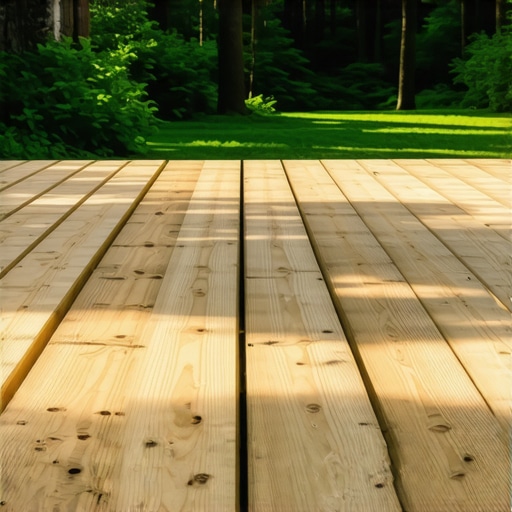
It was a sizzling summer afternoon when I finally faced the truth—my old, tired deck was showing its age, and I needed a change. But here’s the kicker: I didn’t want to rip out the existing structure or add to the landfill with new lumber. That lightbulb moment led me down a path I’ve come to cherish: turning to reclaimed wood. Not only did it breathe new life into my backyard, but it also felt good knowing I was making an eco-friendly choice.
**
Why Reclaimed Wood Could Be Your Best DIY Solution
**
Building or refurbishing a deck is a significant project—one that often seems daunting or costly. The allure of new, pristine wood can be tempting, but let me tell you, there’s a charm and character in reclaimed wood that new lumber just can’t match. Plus, by repurposing existing materials, you’re reducing demand for fresh cuts from forests—supporting a more sustainable future.
Early in my journey, however, I made a classic mistake: I overlooked the importance of proper preparation and didn’t familiarize myself fully with the best methods for handling reclaimed materials. This led to some issues down the line, with uneven boards and unforeseen maintenance surprises. If you’re considering this route, avoid my mistake and arm yourself with knowledge beforehand.
An interesting fact I recently read is that using reclaimed wood can reduce greenhouse gas emissions by up to 70% compared to producing new lumber (Source: Green Building Council, 2023). That’s a tangible way to make your home improvement project more sustainable.
In the sections ahead, we’ll explore practical steps—how to select quality reclaimed wood, prepare it for your deck, and ensure it stands the test of time. Ready to roll up your sleeves and give your backyard a unique, eco-friendly upgrade? Let’s get started, and if you’ve faced similar challenges, share your story—I’d love to hear it!
Choose Quality Reclaimed Wood with Precision
Start by inspecting reclaimed wood for structurally sound pieces. Look for signs of rot, mold, or insect damage, as these can compromise safety and longevity. When I refurbished my deck, I sorted through pallets and old beams, setting aside boards with minimal warping and no soft spots. This meticulous selection ensures your deck remains sturdy.
Deal with Dirty and Damaged Boards Effectively
Remove dirt, old paint, and nails carefully. Use a stiff brush or pressure washer (mind the pressure to avoid splintering) to clean each board thoroughly. I once skipped cleaning, which led to uneven staining later. Pay attention to stubborn residue and embed nails or staples before sanding.
Address Warping and Cracks Proactively
If you find warped or cracked boards, cut or sand them to remove defects. For minor cracks, fill with outdoor wood filler for added stability. In my project, I replaced some severely warped sections, which improved the deck’s appearance and safety. Proper repairs prevent future issues like gapping or splinters.
Properly Treat and Seal Reclaimed Wood
Apply a suitable wood preservative or sealant to protect against moisture and decay. I’ve learned that sealing is critical—my first attempt without sealing led to rapid deterioration after the first winter. Use weather-resistant products and follow manufacturer instructions carefully; this step extends your wood’s life and enhances its appearance.
Cut and Fit Boards Precisely
Measure twice, cut once—this rule proved invaluable during my build. Use a good-quality saw and clamps for accurate cuts. For example, I measured the deck frame and cut boards with precision, which prevented gaps and misalignment. Proper fitting reduces waste and simplifies assembly.
Seal the Edges and Fasten Securely
After fitting, seal the edges with a waterproof sealant to prevent water infiltration. Use corrosion-resistant screws or nails—I’ve had firsthand experience with rusted fasteners causing loose boards and safety hazards. Pre-drilling holes can prevent splitting, especially on reclaimed wood that may be more brittle.
Maintain Regular Inspection and Repairs
Once assembled, inspect your deck periodically for signs of wear or damage. Maintaining reclaimed wood involves regular checks of fasteners, sealing, and cleaning. I recommend, for ongoing protection, checking out fire pit safety rules to ensure your upgraded deck remains safe for years to come.
While many believe that hiring a deck builder is as simple as choosing the lowest bid or trusting a contractor’s shiny portfolio, the reality is far more nuanced. One widespread misconception is that all deck builders use the same quality materials and techniques, leading homeowners to prioritize price over expertise. However, as an expert in the field, I can tell you that cutting corners—like neglecting proper framing or using inferior fasteners—can cause safety hazards and costly repairs down the line.
Another common trap is the assumption that post-installation maintenance is minimal or unnecessary. In truth, even the best-built decks require regular inspections and upkeep—such as checking fasteners, sealing wood, and preventing moisture damage—to ensure longevity. For instance, neglecting to protect reclaimed wood against moisture can lead to early deterioration, which is why understanding the proper treatment methods from the start is crucial. For guidance on protecting your investment, check how to safely add features like fire pits without compromising structural integrity.
What do experts really know about material longevity for decks in Needham?
Many assume that composite decking automatically lasts longer or requires less maintenance than traditional wood. The truth is, the durability of decking materials heavily depends on proper installation, sealing, and environmental factors. A recent study from the Building Research Establishment highlights that improperly installed composite can suffer from warping or color fading if not maintained correctly, which debunks the myth that composites are completely maintenance-free.
Furthermore, a frequent oversight is not considering local climate impacts. Needham’s seasonal changes demand specific approaches: for example, ensuring proper drainage and avoiding water pooling under your deck can dramatically extend its life. Relying solely on the contractor to handle these details can backfire, as subtle mistakes often go unnoticed until issues become serious. For more advanced tips on winterizing your deck, explore the best methods for removing ice safely from your surface.
Lastly, many homeowners underestimate the importance of structural inspections over time. A sturdy-looking deck can hide problems like shifting joists or termite damage. Routine checks, including assessments of guardrails and stair integrity, help catch issues early. For instance, checking your stair treads can prevent accidents before they happen. Do you routinely inspect your deck? If not, you might be setting yourself up for costly repairs in the near future. Have you ever fallen into this trap? Let me know in the comments.
Keep it Running Smoothly: Tools and Tips for Deck Maintenance
Maintaining your deck over the years requires more than just occasional cleaning—it demands specific tools and a proactive approach to repairs. I rely on high-quality equipment like cordless impact drivers equipped with corrosion-resistant bits when tightening loose screws or replacing damaged boards. The reason? They provide the torque needed for stubborn fasteners without overexerting, reducing the risk of splitting aged wood.
For deeper cleaning tasks, I swear by a variable pressure washer with adjustable nozzles. This lets me remove stubborn mildew or dirt without damaging delicate reclaimed wood surfaces. When I tackled cleaning my deck, I used a fan spray setting on medium pressure—an approach that effectively blew away grime while preserving the integrity of the boards, especially after sealing efforts. Regular cleaning extends the time between major overhauls and keeps the wood looking vibrant.
In terms of maintenance software, I’ve recently adopted a deck management app that sends me reminders for inspections, sealing schedules, and even winter preparations. This digital helper has proven invaluable, especially when coordinating seasonal tasks like checking for snow accumulation or ice damage (manage snow effectively)—just a quick glance at scheduled reminders ensures I stay ahead of issues.
Looking to the future? Innovations like smart sensors embedded in decking material could alert you directly through your phone about moisture levels or structural stress. Although still emerging, this technology promises to revolutionize how homeowners keep their decks in top shape.
How do I maintain my deck over time?
Consistency is key. Regularly inspecting fasteners, sealing exposed wood, and promptly repairing cracks or warps can significantly extend your deck’s lifespan. For instance, I check my guardrails and stair treads every season—ensuring safety and stability—by following tips in this guide. Don’t forget, proper tools make all the difference—using quality hardware and cleaning equipment ensures your efforts are effective and lasting. Ready to upgrade your maintenance routine? Try out a cordless impact driver with corrosion-resistant bits to secure loose boards with ease—it’s a game-changer that saves time and prevents accidents.
The Hardest Lesson I Learned About Deck Builders Needham
My biggest takeaway was the importance of patience and meticulous selection when choosing reclaimed wood; rushing often led to costly repairs later. I learned to inspect every plank thoroughly, looking beyond surface appearances to ensure structural integrity—an investment of time that paid off in durability.
Three Myths about Deck Builders Needham That Held Me Back
I used to believe that all contractors use the same quality materials and that maintenance was mostly optional. Debunking these myths revealed the value of choosing experienced professionals and committing to regular upkeep, especially with reclaimed wood, which demands special care to last.
What Experts Won’t Tell You About Deck Builders Needham
Many overlook the environmental benefits of reclaimed wood, imagining it inferior to new lumber. In reality, professionals like those in Needham recognize that reclaimed materials can meet high standards, offering character and sustainability without sacrificing safety or longevity.
My Essential Toolkit for Reclaimed Deck Work
Tools like a cordless impact driver with corrosion-resistant bits and a variable pressure washer are indispensable. They help me tighten fasteners securely and clean aged wood without damage—saving time and extending the life of my deck.
Books That Changed How I View Sustainable Decking
“The Green Builder’s Guide” provided insights into eco-friendly materials and techniques, shaping my approach to decking projects. It emphasizes the significance of proper preparation and treatment for reclaimed wood, aligning with my experiences and the methods I now swear by.
Where to Go from Here For Deck Enthusiasts
If you’re eager to embrace sustainable backyard upgrades, I recommend exploring local recycling centers for reclaimed wood and investing in quality tools. Remember, the journey into eco-friendly deck building is rewarding—each custom project adds character and environmental value to your home.
Your Turn to Try
Are you ready to give reclaimed wood a chance in your next deck renovation? Share your thoughts or experiences below—I’d love to hear what inspired your journey into eco-friendly decking!
!