

I’ll never forget the day I nearly set my entire backyard ablaze while trying to enjoy a summer barbecue. It was a scorching Needham afternoon, and in my enthusiasm to impress friends, I overlooked an essential safety detail. Sparks from my grill danced dangerously close to my wooden deck, and in that moment, I realized I had been playing a risky game all these years. That lightbulb moment prompted me to dive deep into safe grilling practices tailored specifically for wood decks in 2026.
Protecting Your Backyard Paradise from Fire Risks
With the growing popularity of outdoor living spaces, more homeowners in Needham are choosing wood decks to create inviting, scenic spots for gatherings and relaxation. But as much as these decks elevate our outdoor experiences, they also introduce potential hazards—especially when it comes to grilling. The last thing you want is to enjoy a beautiful day only to deal with preventable fire accidents. That’s why understanding the latest safety recommendations, like maintaining proper distance and using heat shields, becomes crucial.
Is The Hype About Safe Grilling on Wood Decks Just Overblown?
Early in my grilling journey, I made a critical mistake: ignoring the manufacturer’s clearance recommendations. I thought a few extra inches wouldn’t matter—until I noticed scorch marks on my deck’s surface. It was a sobering lesson. According to recent safety standards, maintaining at least 24 inches of clearance from combustible materials can significantly reduce fire risk. I learned that proper placement isn’t just about convenience; it’s about protecting your home and loved ones.
By sharing my experiences and research, I hope to help you avoid similar pitfalls. From installing heat-resistant barriers to regular deck maintenance, there’s a lot we can do to keep our outdoor spaces safe and enjoyable. Curious about how to assess your deck’s structural integrity or improve its fire resistance? Check out my guide on quick safety checks or explore innovative materials like composite decking options that are designed with safety in mind.
Now, let’s delve into practical steps to ensure your grilling adventures are both fun and safe, protecting your beautiful Needham backyard for years to come.
Assess Your Deck’s Structural Integrity First
Before firing up the grill, inspect your deck for any signs of rot, especially around posts and beams. Start by removing furniture and rugs to get a clear view. Use a sturdy screwdriver to check for soft spots—if the wood feels spongy or the screwdriver sinks easily, that area needs repair or reinforcement. Last year, I found a hidden soft spot behind a flower pot, which I fixed immediately to prevent future problems.
Check for Post Stability
Secure or replace any wobbly posts by tightening bolts or adding metal brackets. A stable base is essential for safety, and I once spent a Saturday reinforcing posts with brackets—within 15 minutes, I noticed how much more secure my deck felt when I walked across it.
This is How to Create Clearance and Install Heat Barriers
Maintaining at least 24 inches of space between your grill and combustible materials reduces fire risk significantly. I used a simple chalk line and a measuring tape to mark the correct distance, then rearranged my furniture accordingly. To further protect your deck, install heat-resistant barriers like ceramic tiles or metal plates beneath the grill to deflect direct heat. I opted for a DIY solution with fire-resistant mats from my local hardware store, which proved effective during my last cookout.
Use Proper Ventilation and Positioning
Proper placement also means making sure vents and exhausts are unobstructed, preventing heat buildup beneath the deck. Clear away leaves and debris regularly—this habit saved my cedar deck from becoming a fire hazard last summer. For added safety, consider installing a smoke detector nearby, just like I did, which provides peace of mind during high-heat sessions.
Maintain Your Deck for Ongoing Safety
Periodic maintenance extends your deck’s lifespan and safety. Clean decks thoroughly with a deck brush and non-bleach cleaner to remove grease and soot—keeping surfaces clean helps identify potential weak spots early. Regularly check your rails and posts for any looseness or damage. I schedule a quick safety check every spring, focusing on securing loose nails and tightening hardware. Also, consider applying a fire-resistant sealant every few years to keep your wood less susceptible to heat damage.
Implement Fire-Resistant Materials
Transitioning to composite decking with fire-resistant properties can provide long-term security. I replaced a section of my old wood with a proven composite option, which not only looks modern but also reduces the risks associated with open flames. When choosing materials, prioritize those with certification for fire resistance, ensuring your outdoor space remains safe even during extended barbecues.
How to Practice Safe Grilling Techniques
Never leave your grill unattended while in use—think of it like babysitting a stove when cooking indoors. Keep a fire extinguisher nearby, ideally a Class ABC, and know how to use it. Keep flammable items away from the heat source, and always preheat your grill on a safe surface to prevent flare-ups. I always wear heat-resistant gloves and long tools to keep a safe distance from open flames, which saved me from minor burns during a recent flare-up.
Plan for Emergency Preparedness
Have a safety plan in case of fire. Share the location of your fire extinguisher with household members, and practice quick evacuation routes. Installing a mesh cover over your grill minimizes unexpected sparks, much like a screen door keeps insects out. Remember, safety starts with awareness—always stay vigilant during grilling sessions to enjoy your backyard without worry.
While many assume that hiring a deck builder in Needham is simply about selecting a contractor with a good reputation, the deeper nuance lies in understanding the fine details that truly define quality craftsmanship. Most homeowners miss critical factors that can make or break the longevity and safety of their decks, especially in our variable New England climate.
One common misconception is that all wood species age similarly or require the same maintenance. In reality, not all woods are created equal. For example, cedar’s natural oils give it superior resistance against rot and insect damage compared to pine, but that doesn’t mean it’s maintenance-free. Advanced homeowners also consider the importance of choosing the right wood for their project, especially when durability is a priority.
Another trap lies in neglecting the subtleties of structural integrity. A common mistake is overlooking the significance of post rotting and decay issues hidden beneath the surface, which can severely compromise the safety of your entire deck. Many think a visual inspection suffices, but advanced assessments involve checking post stability by inspecting for soft spots or wobbliness, and reinforcing weak areas before initiating any finishing touches. Failing to act on these nuances can result in costly repairs or safety hazards down the line.
For those aiming for a modern aesthetic, many skip over the details of deck railing choices. Yet, selecting the right materials, such as black aluminum railings, enhances not only visual appeal but also weather resistance. Smart choices here can increase your deck’s life span and reduce future replacements, saving you money and hassle.
Let’s also recognize the importance of properly ventilation under the deck. Adequate airflow minimizes moisture buildup, reducing mold risks and wood rot—a little-known nuance that significantly impacts the deck’s long-term health. Overlooking ventilation can lead to premature failure, despite excellent initial construction.
Finally, understanding the value of expert workmanship versus DIY shortcuts is crucial. Cutting corners on quality can seem economical upfront but often results in subpar results that require costly fixes or pose safety concerns. As experts say, investing in quality during initial construction pays dividends in durability and peace of mind.
Have you ever fallen into this trap of neglecting the finer details? Let me know in the comments how paying attention to these hidden nuances made a difference in your projects. Remember, a well-built deck isn’t just about looks—it’s about safety, longevity, and smart choices at every turn.
,
Essential Tools for Deck Upkeep
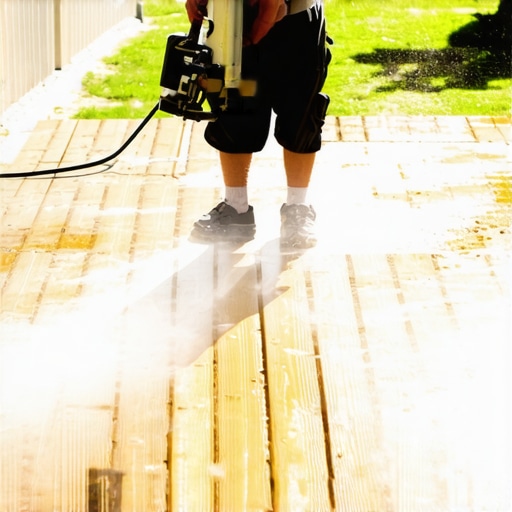
Maintaining a safe and beautiful deck in Needham requires investing in quality tools tailored to the specific tasks at hand. I personally swear by a cordless electric drill with a variety of screwdriver bits—it’s invaluable for tightening loose railings or replacing damaged boards without the hassle of cords limiting my movement. A magnetic screwdriver is also crucial for retrieving dropped screws in tight spaces, saving time and frustration. For cleaning, I prefer a power washer with adjustable pressure settings; using the right PSI—usually between 1500 to 2000—ensures effective cleaning without damaging the wood surface. When inspecting structural components, a sturdy flashlight helps illuminate dark corners and hidden rot areas, ensuring thorough assessments.
How do I maintain my tools over time?
Regular maintenance of your tools extends their lifespan and ensures optimal performance. Keep power tools clean and dry after each use, applying a light lubricant to moving parts to prevent rust. For hand tools, sharpening blades and screwdriver tips periodically makes tasks easier and safer. Store everything in a dedicated toolbox or storage shed, preferably in a climate-controlled environment to prevent warping or corrosion. Replacing worn-out bits or parts promptly also prevents damage to your deck—think of it as preventative health care for your equipment. Investing in reliable brands like Makita or Dewalt pays off in durability and performance.
Strategies for Long-Term Deck Durability
Beyond regular inspections, applying protective coatings like high-quality sealants or stains is essential. I recommend a penetrating concrete-based sealant designed for wood decks—these products create a moisture-resistant barrier that withstands seasonal shifts common in Needham. Consistent upkeep means scheduling annual or biannual treatments; this proactive approach prevents rot and extends the deck’s life significantly. Regularly checking connections such as railings and posts ensures stability, especially after harsh winter storms. Remember, a well-maintained deck not only looks better but also keeps your family safe over decades.
Why is proper ventilation a game-changer?
Proper ventilation under your deck prevents moisture buildup that can cause mold, wood rot, and structural decay. Installing vented skirting or drainage gaps allows air circulation and helps drain excess water efficiently. I’ve seen decks with poor ventilation develop soft spots within just a few years, despite having quality materials. For comprehensive guidance, visit this detailed resource. Incorporate ongoing inspection routines—checking for signs of trapped moisture or warped boards—and improve airflow accordingly. This simple yet effective step saves you money and effort long term.
Visualize a ventilated deck skirt with side vents and drainage gaps, which I installed last year. It greatly improved airflow and reduced moisture retention, contributing to a healthier, longer-lasting deck.
Future trends suggest integrating smart technology into deck maintenance routines, such as moisture sensors that alert homeowners when ventilation is insufficient or when sealants need reapplication. Embracing these innovations can further simplify long-term care, making maintenance less of a chore and more of an automated process.
Ready to optimize your deck’s upkeep?
Try upgrading to a penetrating sealant combined with programmable moisture sensors. These advancements empower you to catch issues early and act proactively, preserving your Needham outdoor paradise for years to come. For more ideas on high-tech solutions, check out this practical guide.
The Hardest Lesson I Learned About Deck Builders Needham
One of my most eye-opening moments was realizing how overlooked the importance of post stability truly is. I once thought a quick check was enough, only to find loose posts after a harsh winter—costly repairs that could’ve been prevented if I had dug a little deeper. Now, I know that thorough inspections and timely reinforcement are key to long-lasting safety.
My Essential Toolkit for Deck Maintenance
Over the years, I’ve found that a reliable cordless drill, a good deck brush, and quality measuring tools make all the difference. Investing in trusted brands like Makita and Dewalt ensures durability, while tools like a flashlight help spot hidden rot and weaknesses. These simple tools empower me to catch issues early and keep my deck safe and beautiful.
Don’t Just Build—Build Smart: Your Next Steps
Getting your deck ready for 2026 isn’t just about following steps; it’s about cultivating a proactive mindset. Embrace ongoing maintenance routines, explore innovative materials like fire-resistant composites, and stay informed about local building standards. Your backyard sanctuary is worth the effort, and with the right knowledge, you can enjoy it worry-free for years to come.
What’s Your Next Move?
Are there areas in your deck maintenance or safety practices you’re eager to improve? Share your experiences or questions below — I’d love to hear how you’re making your outdoor space safer and more enjoyable this year.