Last weekend, I was enjoying a quiet afternoon on my deck when suddenly I felt it wobble. My heart skipped a beat. That little jiggle could have been harmless, or it could have been a sign of something more dangerous lurking beneath the surface. Turns out, many homeowners overlook this simple yet vital part of outdoor safety—the stability of their deck railings—and that oversight can lead to serious accidents.
Why a Wobbly Railing Could Be Your Warning Signal
Imagine this: a friend, excited to show off your beautiful backyard, leans on the railing, and suddenly it shifts — just a little. At first, you might think, "No big deal." But that tiny movement can be a warning. Over time, unsteady railings can loosen further, increasing the risk of collapse or injury. As someone who cares about safety—and after I learned the hard way about my own shaky railings—I can’t stress enough how quick and easy it is to check and fix these issues in just 15 minutes.
Taking care of this aspect of your deck not only preserves its aesthetic but more importantly, protects your loved ones. When I first ignored my railing wobble, I underestimated how serious it could become. The mistake I made early on was assuming a little looseness wasn’t threatening—until one windy day when I heard a creak, and I realized the damage was worse than I thought. Don’t make that same mistake. Regular safety checks are inexpensive insurance, and the good news is, this fix is straightforward and fast.
Is Your Deck Stickier Than It Looks? Here’s the Real Deal
Sometimes, homeowners worry that tightening a railing is complicated or requires professional help. I thought so too—initially. But after a little research and a quick inspection, I found that most wobbles come from loose screws or deteriorated bolts, which you can tighten using just a few basic tools. And that’s the promise I want to make today: I’ll guide you through a simple, effective 15-minute safety check that can prevent accidents and save you money in the long run. Ready to tackle this? And if you’re wondering whether your deck’s longevity is worth the investment, check out why 2026 is the year of mixed material decks.
Pull Out Your Tools and Get Ready
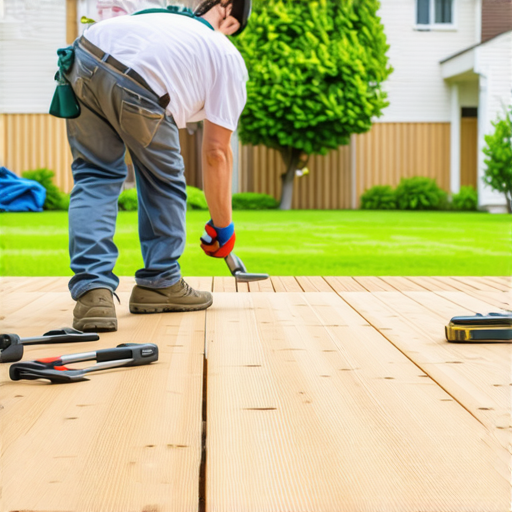
Start by gathering a basic toolbox: a screwdriver, adjustable wrench, and a drill with screwdriver bits. Remember, the goal is straightforward: tighten loose bolts and screws that hold your railing in place. I once started my fix with just a screwdriver, but I quickly realized a drill saved time when dealing with stubborn bolts, especially on older decks. If you find rusty or damaged hardware, consider replacing it for better safety and longevity.
Inspect and Identify Problem Areas
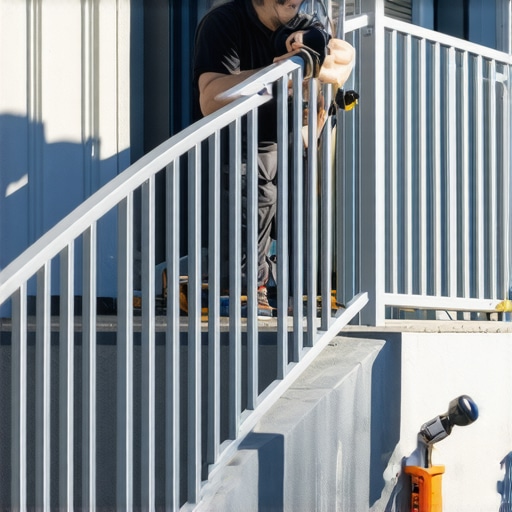
Walk along your deck railing, applying gentle pressure to check for wobbliness. Pay special attention to corner posts and sections that see frequent use. Think of this step like a doctor palpating a patient—your hands are the stethoscope. During my own inspection, I discovered a loose bolt at the top of a railing post—an easy fix I performed with a quick turn of my drill. This proactive check prevents minor issues from escalating.
Secure Loose Screws and Bolts
Using your screwdriver or drill, tighten all visible loose fasteners. Focus on the connection points between the railing posts and the deck frame. For stubborn bolts that won’t tighten, apply some penetrating lubricant, let it sit for a few minutes, then try again. I accidentally over-tightened some bolts once, which caused a slight misalignment—a reminder to tighten just enough, not too much. Tightening these fasteners reinforces the structure and reduces wobbling significantly.
Replace Worn or Rusty Hardware
If some screws or bolts are corroded or stripped, remove them with your wrench, and replace with new, weather-resistant hardware—preferably stainless steel or coated for outdoor use. This is akin to changing outdated parts to ensure reliability. I learned this the hard way when a rusty bolt snapped during tightening, prompting a quick trip to the hardware store. Investing a few dollars in quality replacements boosts safety and lasts longer.
Check and Adjust Post Base Plates
Sometimes, instability stems from the base plates that secure the posts to the deck. Ensure these plates are firmly anchored to the deck surface. If they’re loose, tighten the mounting screws or replace worn anchors. During my project, I noticed a slight tilt in one post—adjusting the base plate fixed the wobble immediately. This step guarantees that the entire railing remains sturdy under different weather conditions.
Test Stability and Wrap Up
Once all fasteners are tightened and replaced if needed, gently shake the railing. It should feel solid and immovable. If little movement persists, revisit your work and tighten further. Remember, routine checks like this are essential maintenance; highly recommended is inspection at least biannually or after severe weather. For more insights on maintaining your deck’s safety, see checking your deck guardrails.Many homeowners assume that choosing a deck builder is simply about finding the lowest price or quickest turnaround. However, this misconception overlooks a crucial nuance: **the importance of understanding a builder’s expertise beyond surface-level credentials**. While many believe that all deck contractors offer comparable quality, in reality, the level of craftsmanship, familiarity with local codes, and use of advanced materials can vary dramatically. This oversight can lead to costly mistakes, such as subpar installations that deteriorate quickly or don’t meet updated safety standards.
A common myth is that a standard wooden deck and a composite one require the same skills from a contractor. But seasoned professionals recognize that each material demands specific knowledge—like proper fastening techniques for composite decking or appropriate sealants for hardwoods. Misapplication can cause warping, splintering, or faster decay. To avoid these pitfalls, homeowners should inquire about a builder’s experience with the specific material choices you’re considering, such as the latest composite innovations, which are designed to last longer and require less maintenance.
Let’s address a trap that many fall into: assuming that cheaper quotes always mean better deals. In my experience, the lowest bid often skips essential steps like proper footing installation or quality fastening hardware, leading to safety hazards and increased costs down the line. **A premium contractor invests in ongoing training and uses high-quality, weather-resistant materials**, ensuring your deck’s durability. Check out how the choice of materials influences maintenance costs over time by visiting [the real costs of deck maintenance](https://deckbuildersneedham.com/the-cost-of-maintenance-wood-vs-composite-over-15-years).
### How can you tell if a contractor truly understands advanced deck building techniques?
A savvy homeowner should look for detailed project proposals, references from satisfied clients, and familiarity with local building codes that may have been updated recently. For instance, in 2026, many areas have increased guardrail height requirements to improve safety. A contractor who’s up-to-date will incorporate these standards seamlessly into their designs, avoiding costly modifications after construction. To further educate yourself, explore [vetting the workmanship of Needham deck contractors](https://deckbuildersneedham.com/vetting-the-workmanship-of-needham-deck-contractors) to understand what guarantees and certifications signify genuine expertise.
The key takeaway is that **beyond aesthetics, understanding the nuances of craftsmanship, material knowledge, and code compliance** is what separates an average deck from a long-lasting, safe outdoor structure. Don’t be swayed solely by price; instead, prioritize expertise, proven experience, and attention to detail. Are you aware of the advanced factors that impact your deck’s longevity? Dive deeper into material selection and maintenance strategies to ensure your investment lasts. Have you ever fallen into this trap? Let me know in the comments.Maintaining your deck’s integrity over the years requires more than just routine inspections; it demands reliable tools and a strategic approach. When I work on my Needham deck, I rely on a high-quality cordless impact wrench paired with specialty screwdriver bits, which make tightening and removing stubborn fasteners effortless, especially on older, weathered hardware. For precise assessments, I use a digital level with a built-in angle gauge to swiftly identify uneven posts or sagging sections—this eliminates guesswork and ensures structural safety.
In addition to handheld tools, I recommend incorporating a deck-specific cleaner like oxygen bleach—it’s gentle yet effective for removing dirt and mold without harming the wood or composite surfaces. I personally prefer a pump sprayer for even application, which helps in maintaining a uniform appearance and prolongs the lifespan of your deck without resorting to power washing that can erode material.
Looking ahead, the trend points toward smart maintenance solutions. Incorporating sensor systems that monitor moisture levels and detect early signs of rot or decay could revolutionize deck care in the next decade. Imagine getting real-time alerts on your phone about potential issues before they escalate, saving both time and money.
### How do I maintain my deck tools over time?
Proper maintenance of your tools is crucial to ensure long-term performance. Regularly clean and lubricate your impact wrench and drill bits, especially after exposure to moisture or debris. Store them in a dry, organized toolbox, and replace worn bits promptly to prevent damage during crucial repairs. Also, inspecting and replacing batteries when they no longer hold a sufficient charge ensures your tools operate at peak efficiency.
When tackling deck hardware, I always use high-quality, weather-resistant fasteners to minimize corrosion—this simple step reduces future repairs and hygiene concerns. For example, stainless steel screws resist rust and help maintain the aesthetic appeal of your deck for years. To understand how material choice impacts long-term maintenance costs, check out [the real maintenance costs of an IPE deck](https://deckbuildersneedham.com/the-real-maintenance-costs-of-an-ipe-deck-in-2026).
### Why investing in advanced maintenance tools matter
Using specialized equipment like professional-grade power tools and weatherproof fasteners not only streamlines the repair process but also ensures safety and durability. These investments pay off over time by reducing the frequency and expense of major repairs. For example, upgrading to a high-end impact driver with brushless motors provides better torque and longer runtime, making annual maintenance tasks quicker and more precise.
Trying out a quality impact wrench combined with a deck-specific cleaner can significantly improve your maintenance routine. It’s a small change that yields long-term benefits, especially if you plan to keep your deck in tip-top shape for years to come. Remember, consistent maintenance using the right tools is the key to a resilient and beautiful outdoor space.
Over the years, I’ve come to realize that many homeowners underestimate the value of regular deck maintenance, especially when it comes to the often-overlooked railings. My own experience with wobbly railings taught me a crucial lesson: proactive checks and simple fixes can prevent disasters before they happen. Remember, paying attention to these small details not only preserves your deck’s beauty but also keeps your loved ones safe from harm. Investing a few minutes now can save you from costly repairs and potential accidents later.
The Hardest Lesson I Learned About Deck Safety
Initially, I thought a slight wobble was just a cosmetic issue, not realizing the danger it posed. The day I heard that ominous creak during a windy afternoon was a wake-up call. It underscored the importance of routine inspections—something I now advocate wholeheartedly. Regularly testing your railings by gently shakes and tightening loose fasteners is a simple yet powerful safety measure.
Why Quick Fixes Make All the Difference
The beauty of maintaining your deck is that most issues are straightforward to fix—tightening bolts, replacing rusty hardware, or adjusting base plates can be done in about 15 minutes. I found that a good set of weather-resistant fasteners and basic tools are all I need to keep my deck sturdy and inviting. This small effort stretches your deck’s life and keeps it looking great year after year, proving that maintenance doesn’t have to be complicated or expensive.
Related suggestions to keep your deck in top shape
To support your safety checks, I recommend exploring resources like flashing tape tips and stair tread safety advice. These can extend your deck’s lifespan and prevent accidents on other critical areas beyond railings.
Insider Wisdom from Years of Deck Care
- Don’t wait for visible damage: Small wobbles are warning signs, not just minor annoyances.
- Use quality hardware: Investing in stainless steel or coated fasteners pays off over time.
- Regular inspections matter: Schedule biannual checks, especially after storms or harsh weather.
- Tools make a difference: A drill with a screwdriver bit and a spray lubricant can make the job quick and efficient.
- Stay updated on codes: 2026 is bringing new standards—be sure your deck complies to ensure safety and value.
My Tool Arsenal for Easy Maintenance
I trust my impact wrench and premium fasteners when tightening or replacing hardware. For cleaning, oxygen bleach solution and a pump sprayer keep my deck looking fresh without damage. These tools and techniques have transformed my maintenance routine from a chore into a quick, satisfying task that prolongs my deck’s life and safety.
Keep Your Deck Reliable and Beautiful in 2026 and Beyond
Remember, building a deck that lasts isn’t just about initial construction—it’s about ongoing care, understanding your materials, and choosing the right professionals. Staying informed about new trends and standards, like the upcoming changes in guardrail codes, empowers you to make smart decisions. Whether you’re planning your next upgrade or just safeguarding your current setup, embracing these lessons ensures your outdoor space remains a safe haven for years to come.
What’s Your Next Step Toward a Safer Deck?
Have you ever found yourself unsure about inspecting or tightening your deck railings? Share your experiences below—I’d love to hear what worked for you and what questions you still have about maintaining your outdoor haven.