
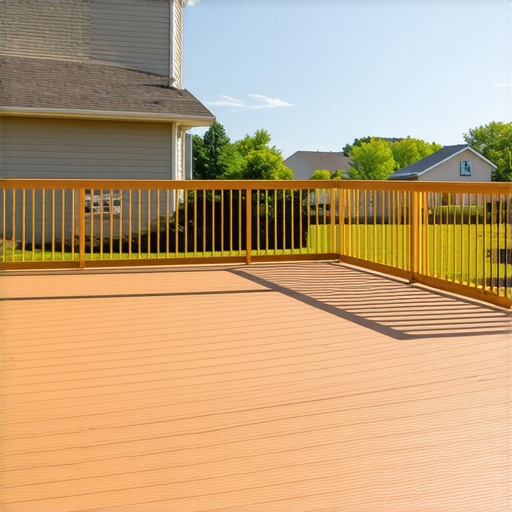
I remember the moment vividly—the squeak of a loose rail, a wobbling deck post, and that uneasy feeling creeping in. As a Needham homeowner passionate about outdoor spaces, I was blindsided when my once-sturdy deck started showing signs of instability. It was a lightbulb moment that made me realize: deck safety isn’t just about aesthetics; it’s about avoiding potential accidents that could turn a relaxing Sunday into a nightmare.
Rolling Up My Sleeves: Confronting Deck Stability Head-On
Understanding the true state of your deck’s stability can be tricky. When I first noticed some wobbly railings, I thought it was a quick fix—tighten a few screws, repaint, and move on. Turns out, that was not enough. Early on, I made the mistake of neglecting signs of rot and structural weaknesses, assuming routine maintenance would suffice. That oversight could have been dangerous, especially with the increasing standards and climate challenges of 2026.
But here’s the good news: with a bit of knowledge and proactive inspection, you can spot issues early and keep your deck safe for years to come. Today, I’ll guide you through what to look for, how to assess your deck’s integrity, and when it’s time to call in the pros. Trust me, taking these steps can save you from costly repairs or worse—a preventable accident.
Is Your Deck Falling Behind The Times?
Many homeowners underestimate how quickly a deck can degrade, especially with recent changes in Needham’s climate and building codes. What worked a decade ago might be a safety hazard today. Don’t let complacency put your family at risk.
So, have you ever inspected your deck yourself? Or overlooked a wobble here and a loose post there? If so, you’re not alone. But recognizing the warning signs early can make all the difference. Stay tuned—I’ll show you how to evaluate and maintain your deck, ensuring it remains a safe gathering spot for years to come.
Start With a Visual Inspection
Begin by examining your deck from all angles, looking for obvious issues like loose boards, cracked nails, or sagging areas. During my own inspection last summer, I noticed a slight tilt in one support post. I immediately marked the spot to evaluate further, preventing a potential collapse. Use a flashlight to inspect hidden areas, especially beneath the deck, and check for signs of moisture or mold which could indicate rot.
Test Deck Post Integrity
Employ the 15-minute wobble check described in this guide to assess post stability. Gently push each post at the base; if it wobbles or shifts, it needs reinforcement. For example, I noticed one post wobbled slightly after a storm, prompting me to replace it promptly—this prevented more extensive repairs later on.
Evaluate the Railings and Fasteners
Inspect the hardware securing railings; loose screws or corroded bolts compromise safety. Tighten any loose fasteners with a screwdriver, and replace rusted hardware with durable, weather-resistant options. I replaced some rusted bolts with stainless steel ones during my repair, which has held up well over the seasons.
Assess the Structural Frame
Check the deck’s joists and beams for signs of rot, mold, or insect damage. Use a screwdriver or similar tool to gently tap the wood; hollow sounds indicate rot. Pay special attention to areas where moisture tends to collect, like beneath the ledger boards. When I found soft spots, I followed the steps to replace rotted posts, ensuring the stability of my entire deck structure.
Inspect the Footings and Supports
Ensure footings are firmly in the ground and not heaving or sinking. Use a level to verify vertical alignment. If you notice unevenness, it might be time to consult professionals to reinforce or replace the supports, much like I did when I detected some sinking, preventing future hazards.
Conduct a Load Test
Once you’ve completed visual inspections, test the deck’s ability to handle weight. Place some evenly distributed weight, such as buckets of sand, across the surface to gauge stability. Look for any signs of movement or bouncing. This practical step revealed to me that my deck could handle regular use, but needed reinforcement in one corner after the test.
Document and Plan Repairs
Create a checklist of issues identified, prioritize repairs, and gather necessary materials. Use information from this resource for cleaning to prepare surfaces before repairs. Planning ahead saved me time and money, especially when I scheduled repairs over consecutive weekends, ensuring my deck was safe before hosting summer barbecues.
Many homeowners assume that choosing a deck builder in Needham primarily hinges on price or quick turnaround times. However, this oversimplification overlooks critical nuances that can significantly impact the longevity and safety of your outdoor space. A common myth is that all deck builders deliver similar quality; in reality, expertise in local environmental conditions, material knowledge, and adherence to evolving codes differentiate top-tier professionals from amateurs. For instance, understanding the particular challenges of Needham’s climate—such as snow load management and moisture control—is essential for durable deck construction.
Why Do Many Overlook Material Compatibility and Climate Resilience?
Contrary to popular belief, not all materials perform equally in every environment. While composite decking might seem low-maintenance, some brands may not withstand Needham’s freeze-thaw cycles or humidity levels, leading to warping or mold. A seasoned Needham deck builder will select and tailor materials accordingly, often recommending eco-friendly solutions like reclaimed wood that also meet stringent standards (explore eco options here).
Another trap is the assumption that standard fasteners and hardware suffice. In reality, improper fastener selection, such as using uncoated nails in moist conditions, can lead to rust and compromise structural integrity over time. Advanced builders use corrosion-resistant options and upgrade hardware in line with modern code requirements.
What about the Myth that Cost Equals Quality
This misconception often leads homeowners to opt for the lowest bid, unaware that building a safe, lasting deck requires investment in skilled craftsmanship. Cutting corners on inspections or using inferior materials may save money upfront but trigger costly repairs or dangerous failures down the line. Real experts emphasize comprehensive evaluations—considering footings, load calculations, and ventilation—to prevent issues like dry rot or foundation sinking (Learn how to protect your footings.)
Additionally, many underestimate the importance of integrating modern design trends with structural soundness. For example, innovative hardware upgrades can enhance both aesthetics and safety—like seamless lighting or sleek, corrosion-resistant handrails (upgrading your deck’s hardware).
Understanding these nuanced aspects is crucial in selecting a Needham deck builder who not only crafts beautiful decks but also ensures durability and safety. Do your homework: ask about climate adaptations, material choices, and adherence to local codes. Remember, a well-built deck is an investment in years of enjoyment and safety.
Have you ever fallen into this trap? Let me know in the comments how you navigated your deck-building decisions, and share your experiences with fellow Needham homeowners!
Maintaining a durable and safe deck requires more than just visual inspections—investing in the right tools can make all the difference. Over the years, I’ve refined my toolkit with equipment that ensures efficiency and precision, ultimately extending the lifespan of my outdoor space. One essential tool I’ve come to rely on is a high-powered cordless inspection flashlight. It helps me uncover hidden issues, such as mold, rot, or insect damage, especially in hard-to-see areas beneath the deck or inside corners. I personally use the DEWALT DCL050 LED flashlight because of its brightness, portability, and long battery life, making my inspections quick and thorough.
Another vital piece of equipment is a digital moisture meter. Detecting moisture intrusion early prevents rot and mold growth. I prefer models like the Extech MO200 because it provides instant readings and helps me decide whether wood surfaces need treatment or replacement. Regularly measuring moisture levels around ledger boards and support posts ensures I catch issues before they escalate into costly repairs.
For physical checks, I utilize a clamp-on load tester to assess the structural integrity of joists and beams. I am a fan of the Tatool brand for its ease of use and reliable readings. This allows me to simulate load conditions, ensuring my deck can handle typical family gatherings or outdoor parties in Needham without worry. Remember, a little proactive testing saves a lot of headache later.
When it comes to cleaning and maintenance, I recommend a pressure washer with adjustable nozzles to remove dirt, mildew, and algae. I use the Sun Joe SPX3000 because of its versatility and power, which helps prepare surfaces for sealing or staining. Proper cleaning removes slip hazards and keeps your deck looking vibrant.
Looking ahead, I predict that the trend in maintenance will lean further toward automated, smart systems. Imagine devices that dynamically monitor moisture or structural shifts and alert you via smartphone. Integrating sensors directly into your deck’s framework could allow for real-time health checks—kind of like having a vigilant maintenance assistant built into your outdoor space.
How do I maintain deck health over time?
The key is consistent, scheduled inspections using these tools, combined with prompt repair actions. For example, regularly testing moisture levels with a reliable meter helps catch potential issues early. Incorporating preventive measures like eco-friendly, water-repellent sealants can further prolong the life of your deck—explore options like reclaimed wood treatments here. Plus, keeping tools like pressure washers and moisture meters in good condition ensures they perform when you need them most. Take one advanced tip today: dedicate time monthly to inspect your deck with your moisture meter — it’s an inexpensive investment that can save you thousands in repairs later. Proper maintenance, combined with the right tools, gives you the peace of mind to enjoy your outdoor oasis all year round.
The Unexpected Turns That Taught Me About Longevity
One of my most profound lessons emerged when I ignored that subtle wobble in my deck post—assuming it was just weather-related. That oversight almost led to a structural failure. It reminded me that patience and attention to detail are crucial in maintaining outdoor spaces—and often, the smallest signs are the most telling. Sometimes, the hardest lessons come from neglecting minor issues that reveal much bigger risks.
Another eye-opener was realizing how climate-specific materials really are. I previously believed that standard composite decking would suffice, but after experiencing Needham’s unique freeze-thaw cycles firsthand, I understood why choosing the right material matters more than just price. Always consider your local environment; it’s the secret to decking durability that many overlook.
Lastly, I learned that expertise in local building codes isn’t just bureaucratic red tape—it’s a safeguard. My attempt to DIY some repairs without consulting updated requirements led to unnecessary rework. Engaging with seasoned professionals who understand Needham’s evolving standards has saved me time, money, and stress. Remember, investing in knowledge and quality craftsmanship pays off in the long run.