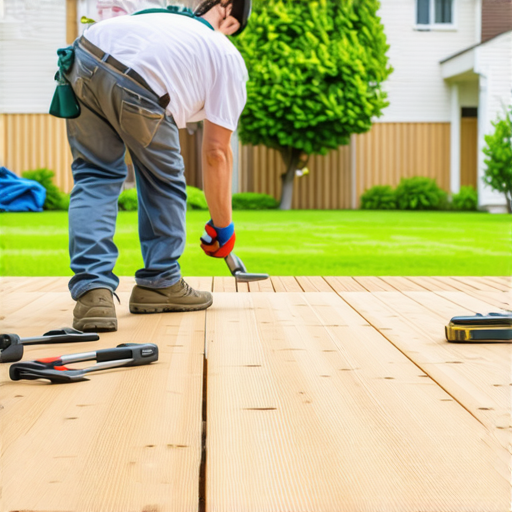
I’ll never forget the moment I realized I had been doing my deck more harm than good every spring. After a long New England winter, I eagerly grabbed my pressure washer, aiming to blast away the grime. Instead, I ended up with splintered wood and a mess that looked worse than before. That lightbulb moment made me dig deeper into the art — and science — of deck maintenance. If you’re like me, you’ve probably wondered whether power washing is worth the risk or if it could actually damage your beautiful space.
Why Proper Power Washing Can Save Your Deck
Cleaning your deck isn’t just about appearances. It’s about extending the lifespan of your wood, preventing rot, and maintaining that inviting vibe for family gatherings or quiet evenings. Proper power washing, when done right, clears away algae, dirt, and mildew — common culprits behind slippery, stained, or decaying wood. Did you know that neglecting these can cut your deck’s lifespan by up to 50%? (Source: National Center for Biotechnology Information)
Do You Fear You Might Ruin Your Deck?
It’s a valid concern. After all, if you go too hard with the pressure washer, you could end up gouging the wood or forcing water into places it shouldn’t go. I made that mistake early on — leaning in with full pressure, thinking more is better. Spoiler: It isn’t. Better methods exist, and I’ll share them with you.
In this guide, we’ll explore the key do’s and don’ts of power washing your deck in 2026. Whether you’re a seasoned DIYer or just starting out, you’ll learn how to make your cleaning routine safe, effective, and keep your deck looking stunning for years to come. Ready to transform your outdoor space without damage? Let’s dive in!
Pick the Right Equipment
Start with a pressure washer that allows adjustable pressure settings. I recall using a borrowed unit with a fixed high PSI, which nearly carved into my wood. Instead, opt for a model with a pressure adjustment dial, so you can tailor the force to your deck’s material. Choose a spray wand with a wide-angle nozzle—something around 25 to 40 degrees—to distribute water evenly and reduce the risk of gouging the wood.
Prepare Your Deck for Cleaning
Clear all furniture, plants, and loose debris. Use a broom or leaf blower for thorough cleaning. Now, think of your deck as a delicate sculpture—you wouldn’t start scrubbing it like a sidewalk. Gently sweep off dust and dirt to avoid grinding abrasive particles into the wood during power washing. If your deck has stubborn stains or mildew, apply a suitable cleaning solution beforehand, following manufacturer instructions. For eco-conscious options, see reclaimed wood tips.
Test Your Pressure Settings
Before tackling the entire surface, test your pressure on a small, inconspicuous area. Hold the wand about 12 inches from the surface and spray for a few seconds. Watch for any signs of damage—if wood fibers lift or gouges form, decrease the PSI. During my first test, I accidentally used too much pressure and gouged a small section. Later, I learned that reducing pressure and angling the nozzle helps prevent this.
Use Proper Technique for Even Results
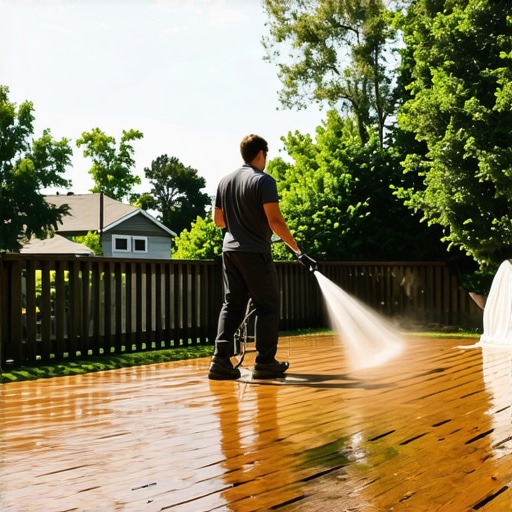
Hold the wand perpendicular to the surface and keep it moving in smooth, sweeping strokes. Imagine you’re painting rather than blasting—steady, consistent, and controlled. Keep the spray about 12 to 18 inches from the deck to avoid over-hosing any spot. Focusing on a section at a time, overlap each pass slightly to prevent streaks. Avoid spraying directly into gaps or cracks to prevent water intrusion, which can lead to rot. For foundation details, check deck footing tips.
Pay Attention to Sensitive Areas
Be cautious around staircases, railings, and posts—these can be more delicate or need specific care. Use a lower pressure setting and perhaps a angled nozzle tip to avoid dislodging or damaging fasteners. When I accidentally hit a railing with high pressure, I shattered a piece of the cap—a lesson learned. If your deck has raw wood ends exposed, treat them with a sealant to prevent moisture penetration—more tips can be found here.
Rinse and Finish Carefully
After cleaning, switch to a wide-angle nozzle or even a gentle spray to rinse the surface thoroughly. Clear away leftover soap or cleaning agents to prevent residue that could attract dirt. Allow the deck to dry completely before applying a sealant or stain, which ensures longevity. Remember, a well-dried deck resists mold and rot better, maintaining its beauty and safety for years. For maintenance routines, see sealing tips.
Inspect and Maintain Post-Cleaning
Once dry, examine for any damage or splinters. Sand rough spots if necessary, and replace any compromised boards. Power washing can reveal flaws that need attention—think of it as a health check for your deck. Regular inspections and timely repairs, guided by professional advice at local pros, ensure a safe, stunning outdoor space.

Many homeowners assume that hiring a deck builder in Needham is as simple as finding the lowest quote or selecting the most popular name. However, this oversimplification overlooks critical nuances that can impact your project’s quality and longevity. One common misconception is believing that all local contractors adhere strictly to industry standards. In my experience, some do, but many cut corners to save costs, leading to pitfalls like structural issues or poor material choices.
Now, let’s uncover a hidden nuance that often trips up even savvy homeowners: the importance of understanding the specific certifications and ongoing training that professional deck builders pursue. While a license might be visible, true expertise demands continuous education on new building codes, safety regulations, and innovative materials. Without this, your project may not comply with the latest standards, risking safety hazards or future costly repairs. For example, a professional well-versed in the latest code updates in Needham will ensure your deck’s footing and railing systems are up to snuff, avoiding structural failures soon after installation. Check out the Needham contractor verification tips for selecting a truly qualified specialist.
Are You Falling for the Cost Bias Over Quality?
It’s tempting to prioritize price when choosing a contractor, but this thường leads to compromises. Cheaper bids might mean using lower-quality materials or skipping essential steps like proper joist spacing or adequate ventilation—details that are crucial for long-term durability. Studies show that investing in proper ventilation can significantly extend your deck’s lifespan, preventing issues like mold and dry rot (see ventilation strategies). Instead of cutting costs upfront, focus on hiring a builder who emphasizes quality craftsmanship and provides transparency about their process and materials. Finding an experienced deck designer ensures you’re making informed choices that save money in the long run.
Another trap to avoid is neglecting to verify references or reviews. A contractor might present impressive portfolios, but peer feedback reveals their reliability and adherence to safety standards. Prioritize those who actively follow local building codes, like the Needham standards for 2026, and have a track record of satisfied clients.
Let’s not forget that being an expert is also about understanding materials—knowing which woods and composites perform best in Needham’s climate. This knowledge helps avoid issues like premature warping or insect damage.
Have you ever fallen into this trap? Let me know in the comments!

Ensuring your deck stays in top condition over the years requires more than just routine cleaning; it calls for the right tools and consistent maintenance routines. Over my years of decking projects in Needham, I’ve refined a toolkit that balances professional-grade performance with practical ease of use. Investing in quality equipment upfront pays dividends in durability and safety, making your outdoor space both beautiful and functional for the long haul.
Power Washer: The Foundation of Deck Maintenance
A reliable pressure washer with adjustable PSI and multiple nozzle options is indispensable. I personally recommend the Kärcher K5 Premium, which offers variable pressure control and a range of interchangeable nozzles. Its variable settings allow you to tailor the force precisely, preventing damage while effectively removing grime, algae, and mildew. Regular use of a quality power washer like this can extend your deck’s lifespan significantly by preventing buildup that accelerates rot and decay.
Specialized Brushes and Protectants
While power washing lays the groundwork, follow-up with a brass-bristled brush ensures thorough cleaning of stubborn stains without scratching the wood. After cleaning, applying a high-quality sealer is crucial—I favor eco-friendly options like reclaimed wood products for sustainability. These sealants protect against moisture ingress and UV damage, maintaining color and structural integrity over the years.
Monitoring and Precision Tools
Investing in a moisture meter helps assess when your deck is thoroughly dry before sealing. I use the
What’s Next for Deck Maintenance in 2026?
Trends are shifting towards automation and smart maintenance. Future tools may incorporate IoT sensors to monitor moisture levels continuously, alerting you when intervention is needed. Meanwhile, integrating these reliable, time-tested tools into your routine will keep your deck in prime condition while you enjoy your outdoor oasis.
If you’re ready to take your deck upkeep further, I encourage you to try the advanced tip of using a moisture meter before sealing. This small step can prevent costly mistakes and ensure your efforts are truly effective. Staying proactive with the right tools helps preserve your investment and keeps your outdoor space inviting year after year.
Looking for professional guidance? Check out Needham deck professionals who can assist with expert maintenance and upgrades.