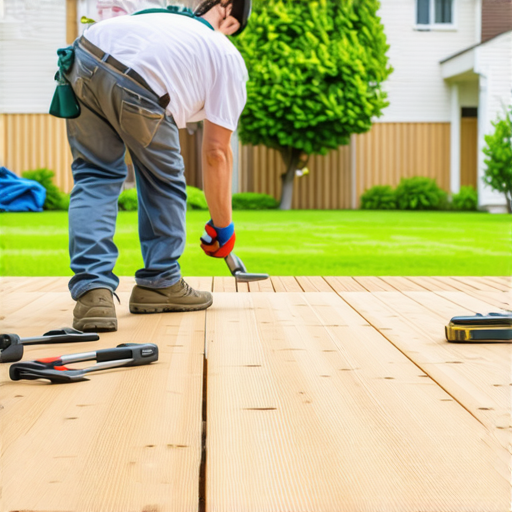

I remember the moment clearly—standing in my backyard, staring at my aging deck, frustration boiling over. The frustration wasn’t just about the deck’s worn-out appearance but the recurring problems I faced every time I tried to fix or upgrade it. Nails, the traditional choice for decades, kept popping loose, causing my deck boards to warp and creak. It was a lightbulb moment for me: why am I still trusting nails to hold my deck together?
How a Small Change Made a Big Difference in My Deck’s Longevity
Switching from nails to deck screws was one of the best decisions I’ve made for my Needham outdoor haven. The difference in stability and durability was unmistakable. Unlike nails, which can loosen over time due to expansion and contraction from temperature changes, deck screws hold tight longer. This is especially crucial in Needham, where our unpredictable weather—hot summers and freezing winters—puts decking materials through the wringer.
But what exactly makes deck screws outperform nails so consistently? Well, it’s about grip and resistance. Modern deck screws are designed with corrosion-resistant coatings, making them resilient against our local humidity and winter conditions. Plus, their threaded design ensures a firm grip, preventing boards from loosening or warping.
If you’re grappling with a deck that keeps developing issues like squeaks, loose boards, or visible signs of wear, it might be time to reconsider your fasteners. Trust me, the added effort of switching to quality deck screws pays off in the long run.
Is the Extra Cost of Deck Screws Really Worth It?
Initially, I hesitated because good quality deck screws tend to be pricier than nails. However, considering the time and money spent repairing or replacing deck components over the years, the investment in screws was a no-brainer. Plus, they’re easier to handle, reducing frustration during installation.
Early on, I made the mistake of using cheap, basic screws that rusted quickly in the damp Needham climate. That taught me a valuable lesson: choose high-quality, corrosion-resistant screws designed for outdoor wood decking. To learn more about selecting the best materials for your deck, check out [this guide on the best deck brands for Needham’s freeze-thaw cycles](https://deckbuildersneedham.com/best-deck-brands-for-needhams-freeze-thaw-cycles).
In the upcoming sections, I’ll share practical tips for replacing nails with deck screws and how this simple change can extend the life of your deck, saving you headaches and cash in the long run. If you’ve faced similar struggles, I invite you to keep reading—because your perfect deck is within reach.
Remove Existing Nails Carefully
Start by using a claw hammer or pry bar to gently lift and remove nails from the deck boards. Think of this step as peeling off a stubborn sticker—patience prevents damage to the wood. I once spent extra time on a particularly stubborn nail and accidentally gouged the board, so take your time to avoid costly repairs later. Removing nails sets a clean stage for the new fasteners and ensures better screw installation.
Prepare the Surface for New Screws
Inspect the deck boards for any rot or damage and replace affected boards before fastening. This is like patching a hole in your favorite jeans—necessary for longevity. Use a wood preservative if needed, especially in damp climates. Clean the surface thoroughly to remove dirt and debris, which helps the screws grip firmly and reduces the risk of corrosion.
Choose the Right Type of Deck Screws
Select corrosion-resistant screws, such as those with a stainless steel or coated finish. For Needham’s variable weather, I recommend high-quality, weatherproof screws like those discussed in this guide. Using the wrong screws, like cheap galvanized ones, might save money upfront but lead to rust and failure over time. Confirm the length of screws—typically 2.5 to 3 inches for deck boards—to ensure they penetrate adequately into the joists without breaking through.
Mark Drilling Points Using a Spacer
To keep your deck looking professional, mark precise screw locations with a measuring tape or a template. Imagine piecing together a puzzle—accuracy matters to prevent splitting the wood. Use a pencil to mark where each screw will go, typically about 1 inch in from the edge of the board. This consistency improves both appearance and performance.
Screw in Using Proper Technique
Slowly drive screws with a drill fitted with a screwdriver bit, applying steady pressure. Think of it as turning a key into a lock—smooth and controlled motions prevent stripping the screw head or damaging the wood. Use a countersink bit if you want the screw heads flush with the surface, which adds to safety and visual appeal. For my deck, I dedicated a weekend afternoon, taking care to align each screw properly—an effort that paid off in the deck’s improved stability.
Check for Proper Fastening and Finish Up
Once all screws are in place, walk along the deck to verify that no screws are protruding or loose. This last step feels like putting the finishing touches on a painting. Tighten any loose screws and fill any visible holes with wood filler if needed. This process ensures your deck withstands weather and foot traffic, serving you reliably for years.
Additional Tips for Success
Always wear safety glasses when using power tools, and consider applying a fresh coat of sealer or stain after tightening the fasteners. If replacing existing fasteners, be aware that some older decks might need special attention, like fixing sagging joists—check out this resource for more info. Remember, a well-fastened deck isn’t just about aesthetics but about safety and long-term durability.
Many homeowners in Needham assume that hiring the most visible or the lowest-cost deck builder guarantees quality results. However, this misconception can lead to costly mistakes and unsatisfactory outcomes. The truth is, craftsmanship and understanding of local environmental challenges are what truly set a top-tier deck builder apart. For instance, some believe that all composite decking options are equally maintenance-free, but only specific brands and materials withstand Needham’s freeze-thaw cycles effectively. Relying solely on cost or reputation without scrutinizing the builder’s expertise in climate-specific solutions often results in decks that warp or rot prematurely. An advanced nuance often overlooked is the importance of proper ledger flashing and drainage systems tailored for Needham’s rainy seasons, which can prevent significant structural issues down the line. Skipping these details, or assuming their importance is exaggerated, can be a trap. A study by the National Association of Home Builders emphasizes that proper flashing and moisture management are critical for deck longevity, especially in humid climates like ours. Moreover, some think that replacing an old deck is as simple as re-staining or painting; in reality, neglecting structural repairs or not assessing foundation stability can jeopardize the entire project. Have you ever fallen into this trap? Let me know in the comments. Digging deeper, a nuanced understanding of material selection, local climate adaptation, and building codes can save homeowners thousands. When choosing a deck builder in Needham, it’s vital to ask whether they have experience with our specific weather patterns and construction regulations. Don’t just go for the flashy website—demand proof of expertise in these areas.
Keep Your Deck Functioning Like New with the Right Tools
Maintaining a deck in Needham requires more than just occasional inspections; it demands the right set of tools that allow you to perform thorough inspections, repairs, and ongoing maintenance. One of my favorite instruments is a digital moisture meter. I personally rely on it to detect hidden rot in joists or concealed areas where water intrusion might cause future damage. Regular moisture assessments help prevent issues before they become costly repairs, especially given Needham’s fluctuating humidity levels. Additionally, investing in a power drill with various screwdriver bits ensures that replacing fasteners or installing new fixtures is efficient and precise. The drill’s torque control allows me to avoid overdriving screws, which is critical for maintaining the integrity of composite or wood decking. For cleaning, I use a pressure washer with adjustable PSI settings; this equipment effectively removes dirt, algae, and moss from decking surfaces without damaging the material. To protect my deck in the long term, I apply high-quality sealants with a sprayer, which I find provides even coverage and saves time.
Software That Keeps Projects on Track
Beyond physical tools, I utilize project management software like Trello or Asana to schedule inspections, track repairs, and plan upgrades. These platforms help me stay organized, especially when coordinating between different contractors or scheduling seasonal maintenance. Setting reminders for reapplication of sealants or testing for wood rot ensures nothing falls through the cracks, keeping my deck safe and beautiful for years to come.
Monitoring and Long-Term Results
Consistent use of these tools yields observable benefits: fewer repairs, extended deck lifespan, and sustained aesthetic appeal. In Needham, where weather extremes challenge decks, proactive maintenance is critical. Through periodic assessments with moisture meters, cleaning with pressure washers, and timely sealing, I’ve seen my deck thrive long after I first built it. Trend predictions suggest that smart technology — like IoT moisture sensors — will become increasingly common, providing real-time updates on deck health. Future tools may even automate maintenance alerts, simplifying management for busy homeowners.
How do I maintain my deck over time?
The key is regular inspections combined with proactive repair. For instance, routine assessments for rot and moisture buildup can spot issues early, saving costly repairs later. Additionally, scheduling annual cleanings and sealant reapplications, ideally before winter hits, safeguard the wood against moisture intrusion and mold growth. For more detailed guidance tailored to Needham’s climate, check out this resource. Don’t hesitate to experiment with advanced tools like a moisture meter—it’s an investment that pays dividends by preserving your deck’s structure and appearance. Try incorporating one into your maintenance routine today and enjoy a durable, beautiful outdoor space for years to come.
The Hardest Lesson I Learned About Deck Builders Needham
One of the toughest insights was realizing that initial savings on fasteners could cost me more in repairs down the line. Choosing cheap screws seemed smart at the moment, but it led to rust and warped boards sooner than expected. Patience and investing in quality materials are truly worth it for a long-lasting deck.
3 Myths About Deck Builders Needham That Held Me Back
I used to believe that all composite decking was maintenance-free and that any contractor would do as long as the price was right. Both misconceptions proved costly. Selecting the right materials and credible, experienced builders made all the difference in achieving durability and beauty that withstands Needham’s weather.
What Experts Won’t Tell You About Deck Builders Needham
Many overlook the importance of proper flashing and drainage tailored to our climate. Skipping these details can lead to structural issues over time. Learning from seasoned professionals—who understand our specific environment—prevent costly problems and extend your deck’s lifespan significantly.
My Essential Toolkit for Deck Maintenance and Repair
Investing in a high-quality digital moisture meter has been a game-changer, allowing me to catch hidden rot before it becomes a big problem. Coupling this with a reliable pressure washer and a versatile drill helps keep my deck in top shape year-round, even amid Needham’s seasonal changes.
Your Turn to Make a Difference
Taking these insights and tools seriously can transform your outdoor space into a durable, stunning retreat. Remember, dedicating time now saves money and stress later. Have you ever faced challenges with your deck’s fasteners or materials? Share your experiences below—I’d love to hear them!
**