
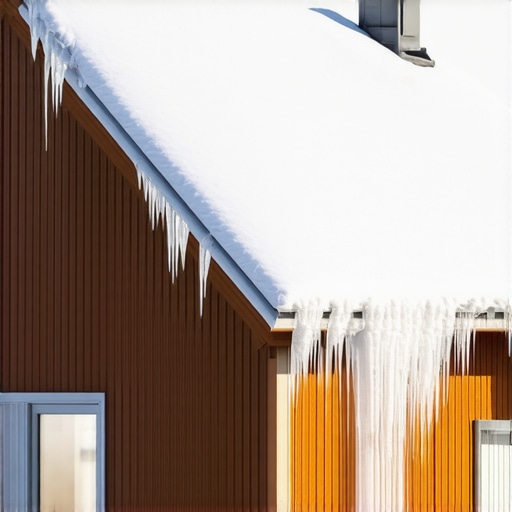
It was a cold winter evening when I first noticed the damage—damp patches creeping along my deck’s surface, and worse, the edges starting to warp. At first, I thought it was just regular wear and tear, but then I realized: ice dams were silently wreaking havoc on my beloved outdoor space. That lightbulb moment taught me a hard lesson—my deck wasn’t prepared for the winter’s worst, and neglecting that could mean costly repairs down the line.
Protecting Your Deck: Why It’s More Urgent Than Ever
Every homeowner in Needham knows our winters can be particularly harsh. Snow and ice aren’t just nuisances; they can cause serious damage if your deck isn’t fortified properly. Ice dams—those thick ridges of solid ice forming along your roof’s edge—lead to melting water that seeps into places it shouldn’t, including beneath your decking materials. Over time, this can cause wood rot, warping, and other costly issues.
From personal experience, I’ve learned that early prevention beats expensive repairs. I regret ignoring my initial signs, which only worsened the damage over successive seasons. Now, I actively ensure my deck has the necessary protective measures—like proper insulation and drainage—to handle ice buildup.
Interestingly, according to the National Roofing Contractors Association, controlling ice dam formation can reduce water damage claims by up to 50%. That’s a significant incentive for any homeowner looking to safeguard their outdoor investment. So, if you’re wondering whether your deck is vulnerable, the answer is probably yes—unless you take proactive steps.
Are you facing this problem now? Have you noticed ice forming along your roof edges or moisture under your deck boards during winter? If so, don’t worry—help is on the way. In the next sections, I’ll share practical tips and trusted strategies to make sure your deck withstands the winter’s worst, saving you time, money, and frustration.
Inspect Your Deck Regularly
Begin by thoroughly examining your deck’s structure, paying close attention to loose fasteners, rotted wood, or signs of moisture infiltration. Remember, early detection is crucial—like catching a small leak before it becomes a flood. I once found a few loose joist hangers just before winter, and tightening them prevented a potential collapse. Use a sturdy screwdriver or impact driver to secure any loose fasteners and replace damaged wood promptly.
Install Effective Drainage Systems
Good drainage prevents water accumulation that accelerates ice dam formation. Ensure your deck has a slight slope—about 1/4 inch per foot—directing water away from the structure. Consider adding under-deck drainage systems, especially in Needham’s frequent rain and snow. I personally installed a simple perforated pipe beneath my deck, which diverted melting water efficiently. For ongoing protection, regularly clear gutters and downspouts to prevent ice buildup that can backflow onto your deck.
Apply Weather-Resistant Coatings
Use high-quality sealants, stains, or paints designed for winter resilience. These products create a barrier against moisture ingress—think of it as a raincoat for your deck. I experimented with a couple of products last year and found that a semi-transparent stain with added sealant delayed water absorption. Reapply these coatings every two to three years to keep your deck sealed against the cold.
Consider Installing Under-Deck Drainage and Ventilation
Proper ventilation under your deck facilitates airflow, reducing moisture retention and preventing mold growth. Combine this with a good under-deck drainage system. For my project, I used a commercially available under-deck drainage kit, which keeps the area dry and prevents ice formation beneath the structure. This step is especially important in Needham because of the persistent winter humidity.
Set Up Adequate Lighting for Visibility
Winter evenings get dark early, and proper lighting not only enhances safety but also illuminates any damage signs. Think of it as giving your deck a spotlight—making potential problems obvious before they worsen. I installed low-voltage LED perimeter lights, which also serve as a deterrent to vandals. For inspiration, check out some custom lighting ideas for decks.
Protect Edges and Corners
Ice often accumulates around corners, where water runoff is slowest. Apply protective edge sealants and consider adding metal flashing to vulnerable areas. I wrapped trim boards with aluminum flashing, which significantly slowed ice buildup around my steps. This simple step can prevent warping and protect against moisture intrusion that leads to rot.
Seal the Deck Ledger and Fasteners
Ensure that the connection point between your deck and your house remains watertight. Use flashing and sealants designed to prevent water infiltration—think of it as sealing a leaky pipe. I replaced old flashing and added a generous bead of sealant, which paid off during a heavy snowstorm, preventing water seepage into the house structure.
Plan Your Lighting Strategically
Good lighting not only enhances aesthetics but also improves safety. Adjustable, weatherproof fixtures along pathways and stairs help prevent accidents. For inspiration, see lighting ideas for your deck perimeter. I installed solar-powered post caps that illuminate walkways, making winter nights safer and more inviting.
When it comes to selecting a deck builder in Needham, many homeowners rely on popular beliefs that can lead to costly mistakes. A common myth is that opting for the lowest bid guarantees the best value. In reality, quality craftsmanship comes at a fair price; choosing solely on cost often results in inferior materials or subpar workmanship, ultimately increasing your expenses. Another misconception is that all deck builders have similar expertise—many overlook the importance of specialized training or experience with specific materials like composite or cedar decking, which can affect durability and safety. For advanced homeowners, understanding the nuances of different fastener systems is crucial; using visible screws where hidden fasteners could be better suited can compromise visual appeal and longevity. Beware of the trap of ignoring local building codes and safety standards, which can vary significantly and impact your project’s approval and safety. A key mistake is failing to verify a builder’s insurance and licensing; not doing so exposes you to liability if accidents occur. Expert advice suggests that asking for portfolio examples and references helps uncover a builder’s true expertise, especially for complex or custom projects. Keep in mind, a trustworthy contractor will prioritize transparent communication and provide detailed proposals—avoid those who are hesitant or vague. Remember, the right choice hinges on more than just price; it involves assessing craftsmanship, materials knowledge, safety adherence, and professionalism. For a comprehensive guide, consider reviewing this article on selecting top-quality Needham deck builders. Do you know the hidden nuances that can make or break your deck project? Have you ever fallen into this trap? Let me know in the comments.Maintaining your deck’s longevity requires the right tools and methods to catch issues early and keep everything in optimal condition. Over the years, I’ve refined my toolkit to include precision equipment that ensures safety and quality. One indispensable item is a digital moisture meter, such as the Protimeter Aquant, which I use to monitor wood moisture levels regularly. This device helps me identify hidden areas where moisture may cause rot, especially crucial during Massachusetts’ humid seasons. Regular inspections with a flashlight and mirror enable me to spot areas of concern, like loose nails or warping boards, before they escalate. Investing in a sturdy caulking gun paired with weatherproof sealants allows me to re-seal gaps and prevent water intrusion, extending the life of my decking materials.
For cleaning purposes, a soft-bristle SupraBristle brush combined with eco-friendly cleaner solutions keeps the surface free of moss and mold without scratching, maintaining appearance and safety. When it’s time for refinishing, I utilize a high-quality orbital sander fitted with fine-grit pads to prepare the surface smoothly, ensuring even stain absorption. Clamps such as bar clamps are essential for holding pieces securely during minor repairs, improving craftsmanship.
Looking ahead, technological advancements like drone inspections may become mainstream, offering comprehensive visual assessments of hard-to-reach areas without the need for bulky ladders. Additionally, smart sensors embedded beneath deck surfaces could alert homeowners of developing issues in real-time—saving money and preventing destruction.
**How do I keep my deck working over time?** It’s all about proactive maintenance using precise tools to identify problems early and address them before they turn costly. I recommend trying out a moisture meter if you haven’t yet—it’s a game-changer for preventing rot and warping in your Massachusetts climate. Incorporating such tools into your routine not only protects your investment but also provides peace of mind, knowing that your outdoor space remains safe and beautiful for years to come. For personalized guidance, visit our comprehensive guide on [maintaining your Needham deck’s warranty in 2026](https://deckbuildersneedham.com/maintaining-your-needham-deck-warranty-in-2026). Keep these tools in mind, and you’ll be surprised how much easier deck care becomes—one smart move at a time.
Lessons that Changed My Deck Maintenance Game
One of the biggest realizations I had was that it’s not just about applying sealant every few years—it’s about understanding your deck’s unique environment. I used to treat my deck with a one-size-fits-all approach, but after facing winter damage, I learned that tailored strategies make all the difference. Also, I discovered that consistent inspections, especially after harsh storms, can catch issues early, saving money and stress later on. The lightbulb moment came when a small crack turned into a major problem because I ignored it—since then, I’ve made vigilance my priority.
Another lesson is that investing in quality materials and trusted tools enhances durability significantly. A digital moisture meter, for example, became my best friend—helping me identify hidden moisture pockets that cause rot. Lastly, I realized that local insights matter; talking to Needham’s seasoned deck professionals provided me with advice that books and online tips simply can’t match.
My Secret Arsenal for a Winter-Ready Deck
Over the years, I’ve curated a set of tools and resources that truly make a difference. First, a reliable fastener inspection mirror helps me spot loose or corroded hardware before it becomes a hazard. For sealing and coating tasks, I trust high-quality sealants that stand up to our Massachusetts winters. My moisture meter (a trusted Protimeter Aquant) gives me peace of mind by detecting hidden water issues beneath the surface.
For routine cleaning, I swear by a soft-bristle brush paired with eco-friendly cleaner solutions, which keeps my deck’s appearance fresh without damage. When repairs are needed, clamps and a high-quality orbital sander make the job straightforward. Looking ahead, I keep an eye on emerging tech like smart sensors, which could revolutionize how we maintain our decks in the future.
Take the Leap and Keep Your Deck Strong
The journey to a durable, winter-proof deck in Needham is ongoing but absolutely worth it. With the right tools, a proactive mindset, and a focus on what truly matters, you can protect your outdoor space for years to come. Remember, small consistent efforts—like regular inspections and timely maintenance—are the secrets that most DIY enthusiasts overlook. So, why not start today? Your future self will thank you for it.