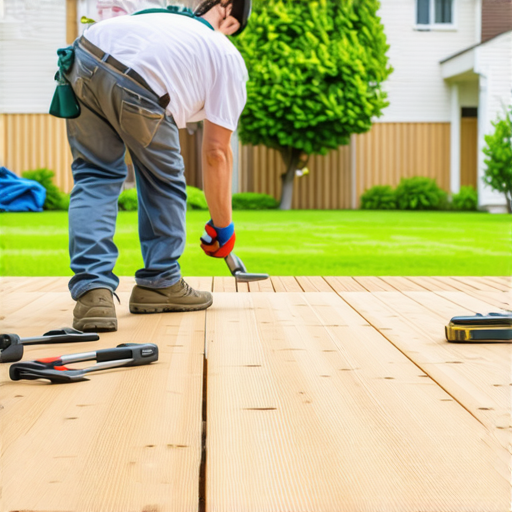
I used to think fascia was just a boring finishing touch on my deck—something to hide the unsightly cut ends. But one summer afternoon, as I was inspecting my old wooden fascia, I noticed it was warped, cracked, and starting to peel away from the board. That moment hit me hard. How could a simple trim piece cause so much frustration?
If you’ve faced the same issue—dealing with rotting, warping, or peeling fascia—I understand. It’s not just about looks; it’s about protecting your entire deck structure. The good news is, there’s a solution that’s proven to last longer, look better, and save you time and money in the long run.
Embracing the Power of Composite Fascia
Many of us stick to traditional wood fascia because it seems familiar and cheap. But I’ll tell you from personal experience—when I switched to composite fascia, everything changed. It’s resilient against moisture, UV rays, and temperature fluctuations. Plus, it doesn’t splinter or decay like wood. If you’re tired of frequent repairs and repainting, this might just be the upgrade your deck needs.
Not convinced? I was skeptical at first too. But after years of battling wood fascia that needed constant attention, I decided to give composite a shot. The difference was noticeable immediately. Less maintenance, more durability, and a cleaner look that ties the whole deck together.
To understand just how beneficial this change can be, read about how new deck materials in 2026 are shifting towards more eco-friendly and durable options, including composite fascias—more info [here](https://deckbuildersneedham.com/why-composite-decks-are-more-eco-friendly-in-2026).
Thinking about this switch? Great! Let’s look into some of the common concerns, especially whether composite fascia is really worth the investment. If you’ve hesitated before, I get it. But trust me, your future self will thank you for making the leap now. Ready to explore how to do it the right way? Stick around—I’m going to guide you through the step-by-step process to upgrade your fascia and protect your deck for years to come.
Prepare Your Materials and Tools
Start by gathering all necessary supplies: composite fascia boards, nails or screws designed for composite materials, a measuring tape, a level, a saw, and a drill. Having everything ready prevents unnecessary interruptions. I once began without the right screws and had to stop halfway, wasting valuable time—so double-check your list before starting.
Remove Existing Fascia Carefully
If replacing old wood fascia, remove it with minimal damage to the underlying structure. Use a pry bar to gently detach the old fascia, paying attention not to crack or distort the deck’s edge. During my project, I made a mistake by prying too aggressively, which resulted in minor damage requiring additional repairs later. Take your time and work slowly.
Measure and Cut the New Fascia Boards
Measure the length of each section where fascia will be installed, considering gutters or drip edges. Mark your composite boards with a pencil and cut them with a saw suitable for composite material. I once underestimated a corner length and had to recut, but using a measuring tape and marking carefully saved me from that error. Always double-check measurements before cutting.
Align and Secure the Fascia Properly
Position the fascia board against the edge of the deck, ensuring it is level and flush. Use a level to verify your alignment; a crooked fascia can diminish your deck’s appearance and structural integrity. Secure the fascia with corrosion-resistant screws, drilling in at regular intervals—about every 12 inches. I recommend using hidden fasteners for a cleaner look and increased safety, as they eliminate protruding screw heads that could cause injuries or snags.
Watch for Joist Spacing and Support
Before attaching, confirm your deck joists are spaced correctly for composite fascia—usually 16 inches on center. This ensures the fascia boards are adequately supported and won’t warp over time. For specifics, check out this guide. A well-supported fascia withstands weather and weight that can cause warping or detachment.
Seal and Finish the Edges
After installation, inspect for gaps or loose fittings. If necessary, apply a non-toxic sealant designed for composite materials around the edges to prevent moisture intrusion. Some composites come with pre-finished surfaces, but sealing the cut edges enhances durability. I once skipped this step and faced peeling at the edges within a year; sealing proved to be worth the extra effort.
Maintain Your Fascia for Long-Term Beauty
Clean your composite fascia regularly with gentle soap and water to remove dirt and prevent mold. Avoid using harsh chemicals that could damage the finish. Applying a protective coating annually can further extend its lifespan. Proper maintenance keeps your fascia looking fresh and functional for decades, just like my recent upgrade using modern fascia and skirting techniques.
Many homeowners assume that hiring a deck builder is simply about selecting someone with good reviews or a low quote. However, this misconception overlooks critical nuances that can make or break your project. **Let’s dig deeper** into what you might be missing when choosing a deck professional in Needham.
First, a common myth is that all deck builders are equally qualified if they advertise experience. In reality, **specialization matters**. A builder experienced in landscape integration might overlook structural details crucial for longevity, while someone focused on composite materials will understand the latest best practices. According to the American Society of Home Inspectors, precise specialization can significantly impact durability and safety.
Next, many assume that price is the best indicator of quality. But, an ultra-low bid can often be a red flag signaling inadequate materials or rushed workmanship. Overlooking this can lead to costly repairs down the line, especially if the builder isn’t familiar with recent advances in **2026 deck materials**, such as fade-resistant composite options. For in-depth insights, visit [here](https://deckbuildersneedham.com/why-2026-deck-stains-are-more-durable-and-effective).
**The ‘Oops’ Trap:** Tying into this, a widespread mistake is neglecting the importance of proper joist spacing. Installing an improperly supported deck can cause warping or collapse over time, despite high-quality materials. Always verify that your contractor follows the recommended spacing standards, which you can check in [this guide](https://deckbuildersneedham.com/is-your-deck-joist-spacing-correct-for-composite-boards). Skipping this detail seems minor but can lead to significant safety hazards.
Now, for a more advanced issue, many seasoned homeowners ask: *How do I identify a builder who employs best practices for moisture management, especially in climates like Needham’s?* Proper sealing and flashing around deck joists and ledger boards are essential to prevent rot and insect damage. Builders adhering to these details often have a *hidden edge*—they know that **neglecting moisture barriers** can void warranty and reduce lifespan, which contradicts the common belief that aesthetics alone matter.
Let’s be honest: **Expertise isn’t just about experience; it’s about attention to detail**. Choosing a builder who stays current with industry standards—like using hidden fasteners for safety and aesthetic appeal—can save you money in repairs and ensure your deck stands strong for decades.
Remember, your deck isn’t just a structure; it’s an investment. Don’t fall into the trap of thinking all builders are the same. Whether you’re considering upgrades like modern fascia or ensuring your deck meets safety codes, the right professional makes all the difference.
Have you ever fallen into this trap? Let me know in the comments. For more tips on selecting top-tier experts, check out [this article](https://deckbuildersneedham.com/7-signs-your-needham-deck-builder-is-top-tier). Your perfect deck starts with informed choices.Maintaining a beautiful, durable deck requires the right tools and methods to ensure longevity and safety over time. As a seasoned deck builder in Needham, I rely on specific equipment that guarantees precision, efficiency, and professional results. One of my favorite essentials is a high-quality cordless impact driver. It allows me to quickly drive screws with minimal effort, especially when securing composite fascia or installing hidden fasteners, which are increasingly popular for their safety benefits and sleek appearance. For example, choosing screws like those recommended in this guide ensures corrosion resistance, vital for New England’s climate.
Another indispensable tool is a laser level. Unlike traditional bubble levels, laser levels provide a precise, level plane across longer distances, which is crucial when aligning fascia boards or railings to prevent crooked finishes—something that can ruin the aesthetic and structural integrity of your deck. I personally prefer the DeWalt DW089LG model because of its durability and ease of use in outdoor conditions.
To tackle cleaning and minor repairs, a power washer with adjustable pressure controls is invaluable. I’ve found that using a gentler setting preserves wood grain and prevents splintering, especially on older decks. This, combined with appropriate cleaning solutions—like biodegradable, non-toxic cleaners—keeps the deck looking pristine. Regular maintenance with these tools also prepares your deck for weatherproofing treatments, such as the high-performance stains discussed here.
Investing in quality equipment pays off in the long run. With the right toolset, you can perform most maintenance tasks yourself, saving money and ensuring that your deck remains a functional and attractive space for years to come. As trends in decking materials evolve—like the increased use of eco-friendly composites and innovative fasteners—the correct tools help you adapt and stay ahead of challenges, ensuring your project is a success from start to finish. Want to simplify your deck upkeep? Try integrating a laser level for perfect alignment—it’s a game changer for achieving professional results confidently.
The Hardest Lesson I Learned About Deck Builders Needham
Early in my decking journey, I underestimated the importance of fascia, thinking it was just a simple trim. But seeing my warped, peeling fascia taught me that every detail matters in creating a durable, beautiful deck. Paying attention to even small components like fascia can significantly extend your deck’s lifespan and curb future headaches.
3 Myths About Deck Builders Needham That Held Me Back
I used to believe that choosing a contractor based solely on price or reviews was enough. However, I’ve realized that expertise in materials like composite fascia, understanding local climate challenges, and attention to safety protocols are crucial. Skipping these considerations can lead to costly mistakes and safety hazards down the line.
What Experts Won’t Tell You About Deck Builders Needham
Many professionals focus on aesthetics but overlook long-term maintenance strategies. For example, sealing cut edges of composite fascia or ensuring proper joist support aren’t always emphasized but are essential for longevity. Learning these behind-the-scenes details has transformed how I care for my deck and select contractors.
My Essential Toolkit for Deck Maintenance in Needham
A quality impact driver, laser level, and a gentle power washer are my go-to tools. They help me ensure perfect alignment, secure fastenings, and clean without damaging surfaces. Investing in these tools has empowered me to take on maintenance projects confidently, saving time and money in the process. For a comprehensive upgrade, consider exploring the latest deck stain innovations.
Your Turn to Build Confidence in Deck Caring
Every deck is an investment, and understanding its intricacies gives you the power to make informed decisions. Whether upgrading fascia, choosing the right materials, or hiring the best contractor, knowledge is your best tool. Don’t hesitate—start today and transform your outdoor space into a lasting haven.
What’s your biggest challenge in maintaining or upgrading your deck? Share your experience below—I’d love to hear from you!
,