
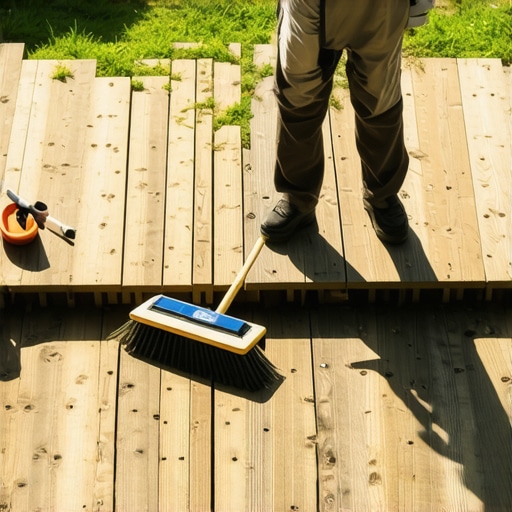
I vividly remember the day I neglected my deck during one spring cleaning session. A handful of days later, I stepped onto it, only to feel that unsettling wobble beneath my feet. Turns out, a little overlooked spring maintenance had allowed hidden rot to creep in. That moment was a real lightbulb for me—if I’d taken action earlier, I could have avoided costly repairs or worse, a safety hazard.
Why Deck Preparation Now Matters More Than Ever
Spring is the perfect time to give your deck the attention it needs before the sweltering summer heat and humidity arrive. These seasons bring moisture, which, if not managed properly, can accelerate wood decay and lead to extensive damage. Proper prep isn’t just about aesthetics; it’s about preserving the safety and longevity of your outdoor space. And trust me, little preventive steps taken now can save you a bundle down the line.
Have You Faced This Struggle Too?
If you’re like me—initially dismissing spring cleaning as just a quick wipe-down—you might be overlooking critical issues that could manifest later as costly repairs. I learned the hard way that skipping essential prep can turn a warm-weather haven into a hazardscape. But there’s good news: with the right strategies, you can protect your investment and enjoy your deck worry-free all summer long.
Common Mistakes That Could Be Costing You
Early on, I made the mistake of only doing superficial cleaning, underestimating the importance of inspecting for hidden damage such as wood rot or loose boards. Ignoring deck joist spacing, for example, can compromise the structure’s stability. A better approach involves understanding dimensions and materials—the details that matter more than most homeowners realize. For instance, knowing the differences in deck board densities can influence your choice of maintenance products, which you can explore in depth on this helpful article. We’ll cover all that and more, so you won’t make my mistake.
Now, let’s dive into the practical steps you should take this spring to keep your deck in tip-top shape and prevent summer rot from turning your outdoor oasis into a money pit.
Inspect and Assess Your Deck Thoroughly
Start by examining your entire deck for signs of damage or deterioration. Use a sturdy ladder to look closely at the wood, especially around the joists, railings, and posts. Look for cracking, splintering, or soft spots that indicate rot. Don’t forget to check hidden areas—sometimes rot hides beneath the surface. Remember, a specific time I did this involved carefully inspecting each seam, which uncovered a small section of rotted wood hidden behind a loose railing—fixing it promptly prevented future safety hazards. Regular inspection is key to catching issues early, before they become costly repairs.
Test and Confirm Structural Support
Check joist spacing and stability
Incorrect joist spacing can compromise your deck’s support, especially if you’re using composite or heavier materials. Use a tape measure to verify that joists are spaced according to manufacturer guidelines—typically 16 inches on center, but always confirm this. If you find irregular spacing or loose hangers, consult resources like this guide for detailed standards. A practical example: I once discovered two loose joist hangers during my spring check, which I reinforced quickly, saving me from potential deck sagging later. Ensuring the support system is solid keeps your deck safe and durable.
Assess verticality and stability of posts
Vertical posts should be plumb and secured. Use a level or check for any wobbling. Loosened or leaning posts can be fixed by tightening hardware or adding post sleeves like these post sleeves. During my personal experience, I noticed a leaning post and reinforced it with new brackets, which improved stability immediately. Proper post maintenance prevents safety issues and extends the life of your deck.
Remove and Rejuvenate Old or Damaged Boards
If you find splintered, cracked, or faded boards, plan to replace or restore them. For minor surface issues, a sanding session using a orbital sander helps rejuvenate the look. For deeper damage, remove the boards, especially if they’ve absorbed moisture or show signs of rot. When I replaced several worn-out boards, I opted for these modernization techniques, which significantly improved appearance and safety. Remember, using the right fasteners and sealants during reinstallation preserves strength and prevents future decay.
Choose the Best Maintenance Products
After cleaning and repairs, select quality stains or sealants suitable for your deck material. For instance, a stain designed for heavy humidity can resist mold and water penetration. During my project, I applied a semi-transparent stain to my cedar deck, which not only enhanced its natural color but also provided a protective barrier. Proper treatment now ensures your deck will withstand the upcoming seasons and look good for years.
Establish a Maintenance Routine
Finally, develop a regular schedule for cleaning, inspection, and re-sealing—think of it as a health checkup for your outdoor space. Incorporate upcoming tasks like removing debris, trimming nearby shrubs, and applying protective treatments. In my experience, setting a calendar reminder helped me stay consistent, preventing minor issues from snowballing. A comprehensive maintenance plan, like this guide, makes spring prep manageable and effective, giving your deck longest-lasting benefits.Many homeowners assume that hiring a deck builder is as simple as picking the first contractor with good reviews, but in reality, there’s a hidden nuance that can make or break your project. One widespread myth is that all deck builders are equally skilled in every aspect of decking—this couldn’t be further from the truth. Skilled professionals often specialize in certain materials or design styles, so understanding their expertise can save you from costly mistakes. For example, some contractors excel at traditional wood decks but lack experience with modern composite or PVC options, which are becoming increasingly popular for their low maintenance and durability.
Another common trap is believing that a low quote guarantees the best value. In the deck building world, this often signals corners being cut on quality or proper permits. Cutting costs might seem appealing initially, but it can lead to structural issues or safety hazards down the line, especially if the contractor isn’t familiar with local building codes. Always verify that your chosen builder adheres to current standards; check their references and past work meticulously. An insightful resource is this guide on maintenance planning, which emphasizes the importance of hiring experts who prioritize quality and longevity.
Why Do Some Estimates Fail to Capture Real Costs?
Many homeowners overlook the nuances involved in accurate project estimates. What’s often missed are factors like joist spacing compatibility with newer composite boards or the need for specialized fasteners. These details influence not only the upfront costs but also long-term durability. For instance, using incorrect fasteners can accelerate decay, especially if the materials are sensitive to corrosion. To avoid these pitfalls, it’s wise to consult detailed guides—like this resource—which outline standards for joist spacing and hardware selection. Failing to understand these can lead to structural failures that are expensive to fix after installation.
Have you ever fallen into this trap? Let me know in the comments. The reality is, choosing the right deck builder involves more than just whittling down quotes; it’s about understanding their specialization, assessing their adherence to standards, and ensuring they focus on quality from the start. Deep-diving into these nuances will help you create an outdoor space that not only looks great but stands the test of time.
Maintaining a deck over time requires more than just visual inspections; it demands the right tools and methods to ensure longevity and safety. One essential device I consistently rely on is a digital moisture meter, such as the
Invest in Quality Power Tools
When it comes to restoring or replacing deck boards, I recommend a high-quality orbital sander. The orbital sander I use features variable speed control, which allows me to gently sand delicate areas without damaging the wood, particularly around intricate railings or decorative elements. Additionally, a good cordless reciprocating saw streamlines replacing damaged planks, ensuring clean cuts and minimal hassle. Personally, I prefer brands like Makita or Milwaukee because of their durability and battery life—saving me time and frustration during large projects.
Leverage Software for Planning and Scheduling
Beyond physical tools, digital planning tools serve a huge purpose. I frequently utilize project management apps like Trello, where I set reminders for routine maintenance tasks such as resealing or cleaning. These apps help me stay disciplined and ensure I don’t forget seasonal upkeep, especially during busy months. For more detailed scheduling, I turn to specialized maintenance planning software that can generate tailored checklists based on my deck’s material and age. Consistent maintenance, guided by such tools, extends a deck’s lifespan significantly.
Predicting Trend Shifts in Deck Maintenance
Looking ahead, I believe the integration of smart technology into deck care will revolutionize how we maintain outdoor spaces. Devices embedded with IoT sensors could continuously monitor moisture and structural integrity, alerting homeowners instantly to potential issues. This proactive approach could cut maintenance costs and prevent accidents before they happen, making deck upkeep more efficient and reliable than ever before.
How do I keep my deck operating smoothly over the years?
The secret is combining precise tools with disciplined routines. Regularly using diagnostic devices like moisture meters, investing in durable power tools, and planning ahead with digital schedules ensures your deck remains a safe, beautiful oasis. Implementing a maintenance plan inspired by this comprehensive guide can make all the difference—so go ahead and try out one of these advanced techniques today to elevate your deck care game!
How I Learned the Hard Way About Hidden Deck Risks
One of my most valuable lessons was realizing that superficial cleaning isn’t enough; hidden damage like rot and loose joists can lurk beneath the surface, waiting to surprise you when you least expect it. Catching these issues early can prevent costly repairs and safety hazards, a lesson I wish I had embraced sooner.
Secrets That Saved My Deck From Becoming a Hazard
- Verify Joist Spacing and Hardware: Proper spacing and sturdy hangers are the backbone of a safe deck. Some contractors overlook these details, but I learned to double-check distance measurements and hardware integrity, which makes all the difference.
- Inspect Vertically: Ensuring posts are plumb and secure isn’t just about appearance—it’s about safety. During my own inspections, fixing a leaning post with reinforced brackets kept my deck stable and secure.
- Don’t Underestimate Material Compatibility: Using the right fasteners and sealants suited for your specific wood or composite can prolong your deck’s lifespan. Consulting reliable resources on deck board densities helped me choose products that lasted through Massachusetts weather.
Tools and Strategies That Transformed My Maintenance Routine
Investing in quality tools like a moisture meter and orbital sander, as recommended in trusted guides, revolutionized my approach. These devices help detect issues early and restore the appearance of older decks without full replacements, saving both time and money. Planning with project management apps kept me consistent, turning spring cleaning into an ongoing success rather than a one-time ordeal.
Embrace the Future of Deck Care with Confidence
My experience has shown that combining expert-recommended tools, proper material knowledge, and disciplined routines is the key to a long-lasting deck. With emerging tech like IoT moisture sensors on the horizon, the future promises even smarter maintenance—making it easier than ever to keep your outdoor space safe and beautiful. Take the leap today: proactive care can transform your deck from a potential hazard into your favorite summer retreat!