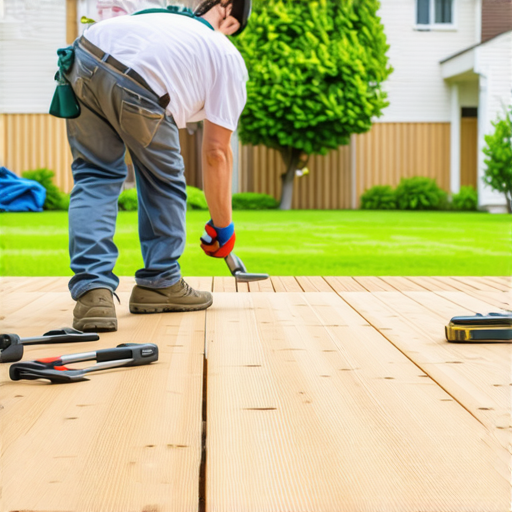

One weekend, armed with a battered brush and a tired old hose, I stepped onto my deck, expecting a quick spruce-up. But within minutes, I was elbow-deep in dirt, grime, and stubborn stains that just refused to budge. The frustration was real—like trying to wash away years of neglect with tools that weren’t up to the job. That lightbulb moment hit me hard: your deck deserves better gear if you want it to look its best.
Why Upgrading Your Deck Cleaning arsenal is a Game Changer in 2026
As a homeowner who loves spending time outdoors, I quickly learned that the secret to a stunning deck isn’t just regular sweeping or a quick spray with the garden hose. It’s about having the right tools—powerful, efficient, and tailored for today’s deck surfaces. The good news? The market has skyrocketed with innovative gear designed to make cleaning faster and more thorough. In 2026, investing in quality deck cleaning equipment isn’t a luxury; it’s a necessity if you want to preserve your outdoor haven and boost your home’s curb appeal.
Skeptical? Here’s Why It’s Worth the Investment
Initially, I was hesitant—aren’t basic brushes enough? But I made a costly mistake early on: I used bleach on my wooden deck, believing it would brighten the surface. Instead, I ended up with warped boards and faded color, leading me to spend more on repairs. That experience taught me that the right gear, like specialized cleaners and pressure washers, can prevent damage and save money in the long run. According to recent industry reports, properties with well-maintained decks see an average increase of 5-7% in value, proving that a little investment in the right equipment pays off.
So, have you faced your own deck cleaning battles? If so, stay tuned—you’re about to discover the best gear of 2026 that will turn your outdoor space into the envy of the neighborhood. From powerful pressure washers to eco-friendly cleaners, I’ll guide you through the must-haves to get that perfect, spotless finish—without the hassle.
,
Start with a Deep Clean to Set the Foundation
Begin by removing loose debris using a broom or leaf blower. Then, mix a gentle cleaner suited for your deck material—avoid harsh chemicals like bleach that can damage wood—according to manufacturer instructions. Apply the cleaner with a soft-bristled brush or a low-pressure sprayer, focusing on stained or heavily soiled areas. Let it sit for 10-15 minutes, then scrub with a deck brush to lift embedded grime. Rinse thoroughly with a garden hose, ensuring all residue is washed away. Remember, a clean surface guarantees better adhesion for sealants or paints, preventing future issues like peeling or mold growth.
Assess and Repair Structural Weaknesses
Verify Stability of Deck Components
Inspect the deck for wobbly boards or loose fasteners. Use a hammer or screwdriver to tighten any loose screws or replace damaged nails. For wobbly or cracked boards, remove and replace them with matching composite or wood planks. Pay attention to the joists underneath; if you notice sagging or unevenness, consider installing additional support or adjusting existing supports. This step is crucial because a solid base prevents long-term deterioration and safety hazards. For a comprehensive safety check, refer to [checking your deck stair treads for stability and safety](https://deckbuildersneedham.com/checking-your-deck-stair-treads-for-stability-and-safety).
Address Rotation and Gaps to Prevent Warping
Wood expands and contracts with moisture, leading to cupping and gapping. To combat cupping, apply a specialized wood conditioner or sealant that penetrates the grain and provides moisture resistance. For gaps, especially in older decks, use gap fillers or install new boards if displacement is significant. A practical method I used involved replacing a few warped planks myself—cutting the old, carefully fitting the new, and securing with corrosion-resistant screws—to instantly improve the deck’s appearance and durability. Proper spacing also minimizes water pooling, reducing rot and prolonging the deck’s lifespan. For tips on maintaining wood health, check out [how to stop deck boards from cupping and warping](https://deckbuildersneedham.com/how-to-stop-deck-boards-from-cupping-and-warping).
Deepen Your Sealant Skills
Once the surface is clean and sturdy, move to sealing to lock out moisture and UV damage. Choose a high-quality sealant suited for your wood type or composite material. Before applying, ensure the deck is dry—preferably on a warm, overcast day to avoid rapid drying spots that can cause uneven finish. Use a brush or roller for even coverage, paying special attention to corners and joints. For best results, follow the manufacturer’s instructions on curing time and reapplication intervals. Regular sealing prevents water infiltration, which is a leading cause of wood rot and deterioration. For detailed guidance, see [how to seal an old deck for three more years of life](https://deckbuildersneedham.com/how-to-seal-an-old-deck-for-three-more-years-of-life).
Finishing Touches: Enhance Aesthetics and Functionality
After sealing, consider updating your deck’s appearance through repainting or staining. Choose hues that complement your home’s exterior—2026’s trending colors include warm neutrals and bold accents. Proper preparation involves sanding any rough areas to ensure smooth application. Think about adding functional features like lighting, seating, or planters to elevate your outdoor experience. These small upgrades not only beautify your space but also increase its usability and safety. For inspiring ideas, explore [maximizing small spaces with corner deck seating ideas](https://deckbuildersneedham.com/maximizing-small-spaces-with-corner-deck-seating-ideas).
Maintain for Longevity
Routine checks, cleaning, and minor repairs are key to keeping your deck in top shape. Schedule annual inspections to identify early signs of damage. Keep gutters clean to prevent water from spilling onto the deck. Apply protective treatments periodically, especially before winter, to prevent moisture damage. Over time, these steps preserve your investment and keep your outdoor oasis inviting year after year. For seasonal maintenance tips, see [fast fixes for peeling deck paint in early spring](https://deckbuildersneedham.com/fast-fixes-for-peeling-deck-paint-in-early-spring).
Many homeowners believe that selecting a local deck builder like Needham’s means you’re automatically getting the best service or quality. However, this isn’t always true. A prevalent misconception is that proximity guarantees expertise, but in reality, expertise depends on specialization, experience, and adherence to modern standards rather than just location. For instance, some clients assume that all deck builders in Needham are equally familiar with regional building codes and maintenance needs, but as highlighted in this guide, not all contractors keep up with evolving requirements.
Why Do So Many Overlook Advanced Details
Common myths include the idea that early deck inspections can wait or that fixing wobbly railings is a simple task easily handled without professional input. In truth, overlooking subtle signs like slight movement or loose fasteners can lead to significant safety hazards later, which are best addressed using proper techniques. Many underestimate the importance of comprehensive safety checks like ensuring guardrails meet current code standards, leading to potentially costly fines or accidents.
How Can Advanced Mistakes Impact Your Deck’s Longevity
One frequent mistake is assuming that just applying a sealant annually suffices for maintenance. But, as research from industry experts indicates, neglecting detailed evaluations such as checking ledger boards or inspecting support posts can result in structural failures. Additionally, many homeowners fall for the myth that all composite decks are maintenance-free; however, different brands and installation techniques significantly influence long-term performance. Misjudging these nuances can accelerate deterioration, costing both time and money.
By understanding and avoiding these entrenched myths and misconceptions, you can ensure your deck remains safe, beautiful, and durable for years. Remember, expert guidance isn’t just about fixing visible issues but also recognizing the hidden dangers lurking beneath the surface. Have you ever fallen into this trap? Let me know in the comments and share your experience!
Maintaining your deck’s longevity and appearance requires more than just occasional cleaning; it demands the right tools and consistent upkeep. One of my go-to devices is the **WEN 56200i Ultra Light Portable Inverter Generator**, which supplies reliable power for onsite cleaning and repairs without the noise of traditional generators. Its lightweight design and quiet operation make it perfect for small-scale tasks around the deck, especially if you plan to use power tools like cordless drills or sanders during repairs.
Another indispensable tool is the **Sun Joe SPX3000 Pressure Washer**. I personally prefer this model because of its adjustable pressure settings, allowing me to switch between gentle cleaning for delicate surfaces and higher pressure for stubborn grime. Regularly inspecting and maintaining your pressure washer—ensuring nozzle clogs and proper oil levels—prevents breakdowns and extends its lifespan, ultimately saving you money in the long term.
For detailed assessments, I rely on the **DeckWise Deck Repair Kit**, which contains everything needed for fixing loose boards, guardrails, and replacing damaged fasteners. This kit’s quality hardware ensures your repairs last, and the included tools make it easy to perform weekend projects without calling in specialists. Always remember, a well-maintained deck not only looks appealing but also remains safe for family and friends.
Looking ahead, I predict that automation and smart maintenance systems will become more prevalent in deck care. Imagine sensors that monitor wood moisture levels or LED lighting that indicates areas needing attention—integrating technology could transform how we manage outdoor spaces in the future. For now, a diligent routine combining dependable tools like these ensures your deck stays in top shape year after year.
How do I keep my deck working year-round? The key is to schedule seasonal inspections, lubricate moving parts of hinges and guardrails, and apply protective sealants periodically. For example, checking your guardrails for stability is crucial; you can do this quickly with the inspector tool from [checking your deck stair treads for stability and safety](https://deckbuildersneedham.com/checking-your-deck-stair-treads-for-stability-and-safety). Also, don’t forget the importance of **proper sealing techniques**—applying sealant after thorough cleaning prevents moisture ingress and protects against freeze-thaw cycles common in Needham.
One advanced tip I’d recommend is implementing regular moisture testing using a **Wood Moisture Meter**. This device informs you precisely when wood is dry enough for sealing or staining, which enhances adhesion and durability. According to industry experts, maintaining optimal moisture levels extends the lifespan of your deck by several years. You can find reliable models from **Lignooxy** or **General Tools**, which are straightforward to use and give immediate results.
To give your deck the best chance at long-term performance, try incorporating this moisture testing into your routine maintenance schedule—it’s a small step that can prevent costly repairs down the line. Whether you’re fixing loose boards or applying a fresh coat of stain, tailored tools and disciplined maintenance will make all the difference in your deck’s durability and beauty.
What I Wish Someone Told Me Before Diving Into Deck Care
One of the most valuable insights I gained was realizing that investing in high-quality tools early on transforms the entire maintenance experience. For example, upgrading to a Sun Joe SPX3000 Pressure Washer made tackling stubborn grime much more manageable and prevented damage caused by improper cleaning techniques. Additionally, I learned that understanding the nuanced behavior of wood—like seasonal expansion—helps in choosing sealants and repairs that last. Another lesson was the importance of paying attention to small structural signs; catching a wobble in guardrails with a simple safety check can prevent costly accidents and extensive repairs later. Embracing these lessons shifted my approach from reactive to proactive, dramatically improving the longevity and appearance of my deck.