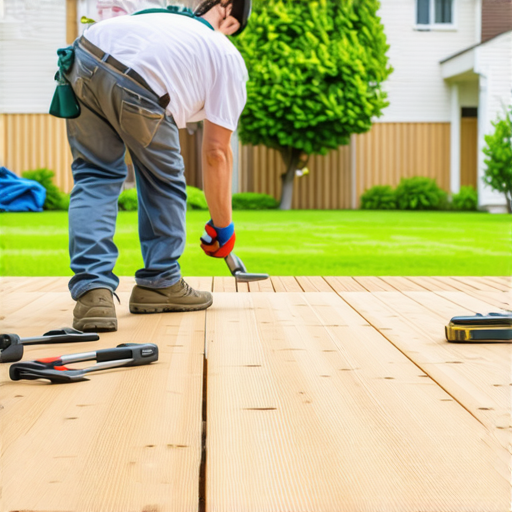
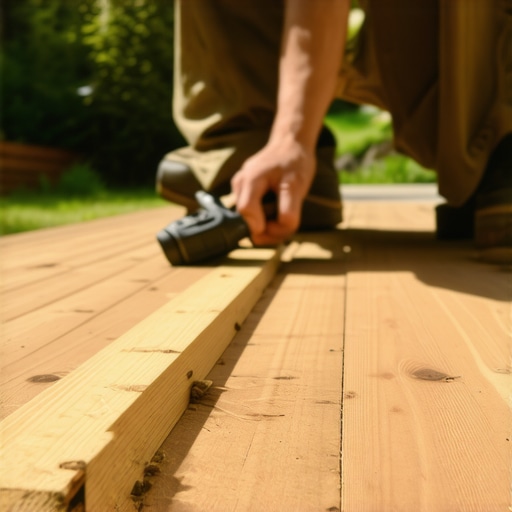
Ever stepped onto your deck and felt a strange wobble or noticed it tilting to one side? I remember the lightbulb moment when I finally realized my old deck was uneven—causing not just a visual annoyance but also a safety concern. It was a Saturday morning, and instead of relaxing, I was fiddling in frustration. That’s when I vowed, “I need to learn how to fix this myself, without calling in a contractor every time!”
Knowing how to level a sloping deck is a game-changer for any homeowner wanting to save money and avoid the hassle of a costly professional. Plus, being able to do it yourself means you can tackle minor issues before they become major headaches. Today, I’m sharing my experience and some practical tips to help you level your deck with just a few basic tools. No fancy equipment required—just some patience and a bit of elbow grease.
The Neighborly Way to Correct a Slope in Your Deck
Many people overlook the importance of a properly leveled deck. An uneven surface isn’t just uncomfortable for walking—it can compromise the structural integrity over time. Over the years, poor drainage or shifting soil can cause decks to become lopsided. The good news? Most of these issues are fixable with some straightforward methods at home.
I’ll guide you through the essential steps to assess and adjust your deck’s levelness, all while staying budget-friendly and using minimal tools. Let’s not get overwhelmed—what matters is taking that first step towards a safer, more stable outdoor space.
Is it really worth the effort to fix my sloping deck myself?
Absolutely! My early mistake was assuming that professional help was the only way. I was wrong. With careful planning and some basic tools, I discovered I could level my deck without breaking the bank. It’s all about understanding the root cause—whether it’s settlement, soil movement, or installation issues—and then applying the right fixes.
Plus, doing it yourself fosters a sense of achievement. You’ll enjoy not only a safer deck but also the satisfaction of knowing you’ve taken care of your home. If you’re feeling anxious about missing some step, remember, there are plenty of resources and even local guides—like this helpful initial deck preparation checklist to get you started on the right foot.
So, if you’ve noticed your deck is uneven or you’re simply tired of seeing that tilt every time you step outside, take heart. The next steps I’ll share will demystify the process and get your deck back to its rightful shape with minimal tools and effort. Ready to straighten things out? Let’s dive into the practical approach that turned my wobbly deck into a stable, beautiful space you can enjoy safely.
Assess Your Deck’s Levelness Precisely
To start, I used a long spirit level and a tape measure across the deck surface. I moved the level along different sections, noting where gaps or tilts appeared. During my first attempt, the level showed a 2-inch difference from one corner to another, indicating significant unevenness. This step is crucial—think of it like diagnosing a health issue before treatment. Rushing without understanding the problem can lead to wasted effort. If your deck has multiple uneven spots, map them out to prioritize corrections. For more tips, check out why leveling your deck frame matters.While many homeowners assume that choosing a deck builder is solely about comparing prices or browsing portfolios, there are finer points that often get overlooked. One widespread misconception is that all deck contractors are created equal—this couldn’t be further from the truth. The reality is that looking beyond the surface can reveal crucial differences in expertise, materials, and approach. For instance, some builders might advertise quick turnaround times but compromise on quality or local code compliance, which could lead to costly repairs down the line. To avoid falling into this trap, it’s essential to ask detailed questions about experience with specific materials like cedar or composite, as well as their familiarity with Needham’s unique weather conditions. Moreover, many people don’t realize the importance of verifying a contractor’s licensing and insurance—trust me, a valid license isn’t just paperwork; it’s a sign of professionalism and adherence to safety standards.
Another common mistake is underestimating the impact of a poorly planned deck layout on long-term maintenance and usability. For example, neglecting proper drainage planning or not considering future accessibility needs can turn a beautiful deck into a maintenance nightmare. I recommend exploring options for durable fasteners or weather-resistant materials—these decisions might seem minor now but can save significant headaches later. For more insights into choosing the right materials for Needham’s climate, take a look at our comprehensive guide on Ipe versus cedar for winter resilience.
Furthermore, some homeowners believe that all deck projects are straightforward, but neglecting detailed planning can result in structural issues. For instance, overlooking the importance of proper footing depth or not accounting for soil conditions might cause your deck to settle or tilt over time. These advanced nuances highlight the need to work with a contractor who not only understands local building codes but also employs proper foundation techniques. For example, steel framing options offer increased stability and longevity, especially crucial in areas with variable soil stability. Curious about how different framing materials compare? You might find this comparison helpful: aluminum vs steel framing.
So, are you aware of the hidden complexities involved in hiring a reliable deck builder? Don’t let misconceptions and overlooked details limit your outdoor space’s potential. By digging deeper into each contractor’s expertise, experience with local conditions, and material choices, you set the foundation for a successful, long-lasting deck. Have you ever fallen into this trap? Let me know in the comments.Maintaining your deck over time requires reliable tools and practical methods to ensure safety and durability. I personally recommend investing in a high-quality laser level like the Bosch GLL 55 for precise measurements; its self-leveling feature makes checking for uneven spots quick and accurate, saving time and preventing costly mistakes. A robust cordless impact driver, such as the Milwaukee M18 Fuel, is invaluable for replacing fasteners or tightening railings without fatigue, especially when working on larger projects. For cleaning, I swear by a deck-specific cleaner like Oxygen Bleach, which effectively removes mold and pollen without damaging your wood or composite surfaces—see tips on proper cleaning methods here. As for long-term upkeep, applying a high-quality sealer like DEFY Extreme ensures your deck’s resistance to Massachusetts weather, extending its lifespan significantly. Predicting future trends, I believe smart deck upgrades—such as integrating LED lighting and automation—will become standard in the next decade, making routine maintenance even more seamless.
How do I maintain my deck’s safety and appearance year-round?
Regular inspections are critical. Check for loose or rusted fasteners with a tool like the Stanley FatMax screwdriver, and replace or tighten as necessary. Inspect joist connections and post brackets for signs of rot or wear, referencing resources like post brackets inspection tips. Keeping your deck’s surface clean and sealed prevents deterioration—remember, neglect can lead to structural issues that are costly and dangerous. I prioritize scheduling an annual deep clean and re-sealing to maintain the wood’s integrity, especially before the Massachusetts winter sets in. Experimenting with energy-efficient, low-voltage lighting like the ones found in our best deck lighting for 2026 can enhance both safety and ambiance. Take my advice: try using impact-rated fasteners with hidden fasteners for a sleek finish and added safety. These small upgrades make a significant difference over time, and tools like the Makita XDT16 Combo Impact Driver can make the job easier. By staying proactive with these tools and methods, you’ll ensure your Needham deck remains a beautiful, safe outdoor haven for years to come.
The Hidden Pitfalls I Never Saw Coming
One of my biggest surprises was realizing that minor soil shifts could cause significant deck tilting over just a few years. It reminded me that even well-built decks are vulnerable to environmental factors, and neglecting this can lead to structural issues down the line. Investing in proper drainage and understanding your soil’s behavior has been a game-changer for my long-term deck health.
Another lesson was the importance of consistent maintenance. Regularly inspecting fasteners and wood condition isn’t just about aesthetics; it prevents minor problems from escalating. Using tools like impact drivers and sealers I’ve grown confident in, I now catch issues early and maintain safety effortlessly.
Lastly, I learned that DIY fixes aren’t just economical—they’re empowering. Tackling my uneven deck with basic tools and patience provided a deep sense of accomplishment. If you’re hesitant, remember that resources and small steps can lead to perfect results, clearing the way for a safe outdoor oasis.
My Go-To Gear for Deck Success
For precise measurements, I rely on the Bosch GLL 55 laser level—its accuracy helps me identify uneven spots quickly. When it comes to fasteners, Impact-rated hidden fasteners like those from DeckWise ensure longevity and a smooth finish. Cleaning is simplified with oxygen bleach, which removes mold without damaging the wood, and sealing with DEFY Extreme keeps my deck weather-resistant for years.
If you’re looking to elevate your deck game, these tools have become indispensable in my kit. They save time, improve quality, and give me confidence in every project. For mastering your own deck maintenance, check out these cleaning tips and innovative railing ideas.
Keep the Momentum Going
Engaging with your outdoor space isn’t just about repairs; it’s about creating lasting memories. Every time you look at your deck, remember that the effort you put into leveling and maintenance ensures years of safe enjoyment. Embrace the journey—each fix and upgrade brings you closer to a perfect backyard retreat. Curious about future trends? Imagine smart lighting or self-cleaning surfaces transforming your deck experience in the coming years. Your outdoor sanctuary awaits—start today.