
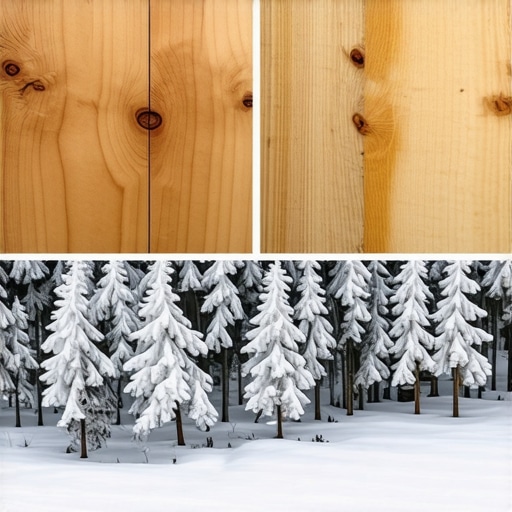
I remember the first time I stood in my backyard, gazing up at the tired, weathered deck that had seen better days. It was a bitter Needham winter, and I was faced with a dilemma—should I stick with the familiar cedar or try something more exotic like Ipe? That moment was a lightbulb for me; I realized that choosing the right wood isn’t just about aesthetics but about how well it stands up to our harsh New England winters. If you’ve ever felt overwhelmed by all the options or unsure about long-term maintenance, you’re not alone. Today, I’ll share my personal experience and guide you through the essential factors to consider when deciding between Ipe and cedar for your deck. By the end, you’ll have a clearer picture of what suits your needs, climate, and budget. And trust me, making the right choice will save you headaches—and dollars—in the long run.
Why Choosing the Right Decking Material Matters in Needham Winters
Living through multiple Needham winters, I’ve seen firsthand how different woods survive the cold, snow, and moisture. Your deck isn’t just an outdoor space—it’s a year-round investment. When I initially chose cedar, I thought I was going for a classic look. But I underestimated how much maintenance it would require to keep it from splintering or rotting over time. Conversely, Ipe’s dense, oily composition makes it inherently resistant to moisture, pests, and decay. Yet, it comes with a higher upfront cost. The key lies in balancing durability, aesthetics, and maintenance needs for our climate. If you’re weighing options, consider the long-term benefits: a deck that remains beautiful and safe without constant fuss. Want to avoid those frustrating surprises like unexpected splintering or warping? Then understanding the strengths and weaknesses of each wood is crucial. Early mistakes—like neglecting proper sealing or ignoring climate-specific wear—can cost you dearly. I learned this the hard way when I skipped research and bought a cheaper cedar, only to spend my weekends sanding and sealing more often than I cared for. For detailed maintenance tips to keep your deck in tip-top shape, check out [this guide on cleaning and protecting your wood](https://deckbuildersneedham.com/diy-deck-cleaning-the-best-solutions-that-wont-harm-plants). As we explore the options, recall that choosing materials wisely is about more than just looks; it’s about securing a safe, beautiful outdoor haven for your family through thick and thin. Ready to dive into the specifics? Let’s get started with what makes these woods unique and how they’ll fare in Needham’s winters.
Assess Your Existing Deck Before Starting
Begin by inspecting your deck thoroughly for loose boards, splinters, or signs of rot. Use a sturdy ladder to get a clear view of the entire surface. For instance, I once noticed a loose railing post after a heavy storm—this critical step saved me from potential accidents. Mark areas needing repair.
Replace or Repair Damaged Boards
If you find rotted or cracked wood, replace those boards promptly. Carefully remove the damaged sections using a pry bar, and cut new pieces to fit. Remember to drill pilot holes to prevent splitting. When I replaced aging decking planks, I ensured the new boards were sealed properly, which extended their lifespan.
Fix Splintering and Surface Wear
To address splintering, sand the affected areas with a medium-grit sander. For stubborn splinters, apply a wood patch or replace the affected boards. Regular sanding prevents future issues and keeps your deck safe. Check out this guide for detailed steps on fixing splintering cedar.
Deep Clean and Protect the Wood
Cleaning your deck is vital to remove dirt, grease, and biological buildup. Use a gentle cleaner suitable for wood—refer to this cleaning guide for eco-friendly solutions. After cleaning, apply a high-quality sealant or stain designed for your wood type to shield against moisture and UV damage. For cedar, regular sealing reduces maintenance needs, while Ipe’s dense surface naturally resists water but still benefits from protective coatings.
Add Modern Touches and Safety Features
Upgrade with features like solar-powered post caps (see solar caps) for both aesthetics and security. Installing cable railings can open up your view, making your outdoor space feel larger. When installing new elements, ensure all fasteners are corrosion-resistant, such as stainless steel, to withstand Needham’s weather.
Implement Your Winterization Strategy
Preparing your deck for cold months involves removing furniture, draining any built-in water features, and applying a thick coat of sealant if not already done. Cover or store furniture properly. Consider adding a snow and ice melt treatment designed for wood to maintain safety during the winter months. Regular inspections during winter help catch issues early.
Many homeowners believe that hiring a deck builder is simply about selecting the lowest quote or fastest installation. However, this misconception overlooks critical nuances that can make or break your project’s longevity. For instance, some assume that all deck builders use the same materials or techniques—nothing could be further from the truth. An advanced mistake I often see is clients rushing into decisions without understanding the specific climate challenges of Needham, like heavy snow loads or moisture issues, which require tailored construction and maintenance practices.
Why does overlooking local climate factors lead to costly mistakes?
Studies show that decks exposed to regional weather extremes, such as Boston’s snow and humidity, need specialized reinforcement and materials, like pressure-treated lumber or composites resistant to mold and warping. Failing to account for these factors often results in premature deterioration, which could have been mitigated by choosing the right materials and protective measures. This is why I recommend reading detailed guides on winterizing your deck and understanding material performance under local conditions—it’s a small investment that saves you big headaches later.
Another common myth is that expensive materials are always worth the extra cost. While durability and aesthetics matter, the real factor is how well a contractor integrates these materials into a design suitable for your specific needs. For example, some assume that the more exotic hardwoods like Ipe always outperform affordable options, but without proper sealing and maintenance, even premium woods can succumb to regional moisture or pests. Learning about proper sealing practices and maintenance routines, such as those outlined in DIY cleaning solutions, can extend your deck’s lifespan significantly.
It’s also a misconception that DIY projects are cost-effective without compromising quality. Many underestimate the complexity involved in properly leveling the deck, handling complex joinery, or installing robust drainage systems—mistakes that often lead to structural issues down the line. A professional deck builder’s expertise ensures these nuances are handled correctly, preventing costly future repairs. If you’re curious about what makes a top-tier contractor, check out signs of quality craftsmanship.
Vetting your builder starts with understanding their familiarity with local codes, use of corrosion-resistant fasteners, and experience with climate-specific challenges. For advanced readers wanting to go beyond basics, I recommend exploring detailed guides on how to build a deck that lasts 30 years or more, like the comprehensive resource here. Remember, investing in the right craftsmanship and materials tailored to Needham’s unique weather is the key to a hesitation-free outdoor space. Ready to uncover more hidden pitfalls? Dive into my previous tips and ensure your deck’s success.
Keep It Working: Essential Tools and Routine Maintenance
Having the right equipment makes all the difference in maintaining your deck’s beauty and safety over the years. I personally rely on a high-quality electric power washer to remove stubborn dirt and algae without damaging the wood, especially for cedar decks that need gentle but effective cleaning. A dedicated sander, such as a random orbital sander with variable speed control, helps smooth out surface splinters and prepares the wood for re-sealing, saving time and effort. For applying sealants or stains, I always use a pump sprayer combined with a high-quality brush to ensure even coverage, particularly on curved or hard-to-reach surfaces. This guide details eco-friendly cleaning options that won’t harm your plants or the environment.
How do I maintain my deck’s appearance and integrity over time?
Regular inspection and preventive care are crucial. Check fasteners and railings for corrosion, and replace any rusty hardware with stainless steel options to extend their lifespan. Applying a protective sealant every two to three years keeps the wood resistant to moisture, UV rays, and pests. I recommend using a quality deck stain formulated for your specific wood type to prevent splintering and warping. Always follow manufacturer instructions and consider scheduling professional assessments periodically to identify hidden issues before they escalate. Looking ahead, advancements like RFID-tagged fasteners or smart coatings integrated with sensors are predicted to automate and enhance deck maintenance, reducing hassle for homeowners. For now, committing to routine cleaning and re-sealing with reliable tools will help your deck look fantastic and perform reliably for decades. Adding features like outdoor TVs becomes more enjoyable when your deck remains in top condition. Try incorporating a biannual deep-clean session with your power washer and sanding routine—it’s a game-changer. Consistent upkeep not only preserves your deck’s value but also ensures safety and comfort for your family and guests. Keep these tools close and your maintenance plans regular, and your deck will thank you for years to come.
The Hardest Lesson I Learned About Deck Builders Needham
One of the most valuable lessons I discovered was that rushing the decision process can lead to costly mistakes. I once hurried into choosing a contractor without verifying their local experience, which resulted in a deck that warped within its first few winters. Patience and thorough research—particularly finding a builder familiar with Needham’s specific climate—are crucial.
3 Myths About Deck Builders Needham That Held Me Back
Many homeowners believe that all deck contractors are the same or that choosing the cheapest option guarantees savings. In reality, experience with climate-specific challenges, attention to detail, and use of quality materials make a significant difference. Elevate your project by selecting professionals who understand regional weather patterns and structural demands.
What Experts Won’t Tell You About Deck Builders Needham
Most experts know that long-term durability comes from proper prep work, using the right fasteners, and sealing techniques designed for Needham’s winters. Yet, many skip these steps for quick profits. Educating yourself on these intricacies ensures your deck remains safe, beautiful, and functional for decades.
My Essential Toolkit for Durable Deck Maintenance
Over the years, I’ve relied on a premium electric power washer to gently clean surfaces without causing damage, especially for cedar decks. A high-quality sander, like a variable speed orbital sander, streamlines surface repairs, and a trusted pump sprayer helps in applying sealants evenly. These tools are game-changers for proactive upkeep.
Books That Changed How I View Decking Challenges
While not traditional books, online guides from reputable sites like Deck Builders Needham have deepened my understanding of eco-friendly cleaning, sealing techniques, and winterizing strategies. They’re invaluable for anyone eager to extend their deck’s lifespan without professional help.
Your Turn to Try Something New**
Building a deck that withstands Needham’s harsh winters isn’t just about selecting the best materials—it’s about understanding the nuances of construction, maintenance, and regional challenges. With patience, education, and the right tools, you can create an outdoor space that’s both stunning and resilient for generations to come.
What’s one lesson you’ve learned the hard way when caring for your deck? Share your experience below—I’d love to hear it!