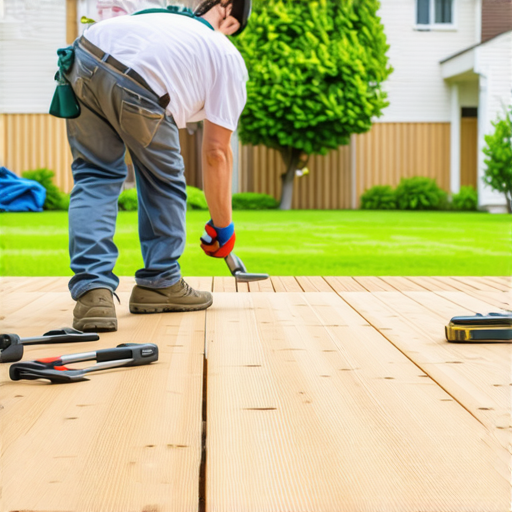

It was a hot summer afternoon in Needham when I stepped onto my newly built deck, only to feel it wobble and shift beneath my feet. That sinking feeling in my stomach? It was a wake-up call I couldn’t ignore. I realized I had overlooked a crucial detail—soil type—something that can dramatically influence the longevity and safety of your deck footings.
The Hidden Factor That Could Sink Your Deck
When I first decided to upgrade my backyard with a new deck, I was excited about outdoor barbecues, family gatherings, and relaxing evenings under the stars. But as the weeks went by, I started noticing small creaks and unevenness. It turns out, the soil beneath my deck wasn’t as stable as I had assumed. That moment was a lightbulb for me: Soil type isn’t just a background detail—it’s a foundational element that can determine whether your deck stands strong or becomes a safety hazard.
Understanding the soil you’re building on is essential. Clay, sand, silt, or loam—each presents different challenges and requires specific footing strategies. For instance, sandy soils tend to shift and settle more than dense clay, which can expand and contract with moisture. Without considering these factors, your deck’s footings might sink, crack, or become unstable over time.
According to experts, improper footing design—ignoring soil conditions—can lead to significant structural issues and costly repairs, sometimes even before a decade has passed. Interestingly, a study by the Home Innovation Research Labs found that inadequate soil preparation is a common culprit behind deck failures nationwide.
So, how do you avoid making my mistake? Well, it begins with understanding your soil—something that many homeowners overlook in their planning. I wish I had known about the importance of soil testing from the start, which can help in choosing the right footing type and depth. For example, if you have clay soil, you might need deeper footings or consider amplifying drainage solutions.
If you’re worried about your soil’s stability or want to learn how to protect your deck from future issues, exploring options like *post sleeves* for extra reinforcement can make a difference. Proper planning at this stage can save you time, money, and stress later on.
Are you facing similar concerns with your deck build or repair? Identifying and addressing soil conditions early can be a game-changer. Next, I’ll walk you through practical steps to evaluate your soil and choose the best footing solutions tailored to your property, ensuring your deck remains safe and beautiful for years to come.
Perform a Soil Test to Determine Stability
Start by collecting soil samples from multiple spots around your intended deck location, digging about 6 inches deep. Mix these samples in a clean container and observe their texture and drainage. If you’re unsure how to analyze these samples, you can send them to a local lab or use DIY testing kits available online. I once tried DIY soil testing in my backyard, which revealed a mixture of sandy and clay soils—telling me I needed to reinforce my footings accordingly.
Assess Soil Drainage and Composition
Next, pour water over a small section of your excavated soil sample. Well-draining soil will soak up water quickly, while poorly-draining clay or silt remains saturated longer. Understanding this helps determine whether you need extra drainage solutions or specific footing depths. For example, in my case, I installed drainage gravel layers after discovering my soil retained water, preventing future instability.
Choose Appropriate Footings Based on Soil Type
If your soil drains quickly, like sandy soil, consider using deeper footings or adding concrete piers to reach more stable substrata. For clay soils, expanding your footing base or incorporating post caps can help distribute weight evenly. I opted for a combination: deep concrete pads coupled with post sleeves (see post sleeves) to prevent rot and ensure longevity.
Consult Local Building Codes and Experts
Always verify your plans against Needham’s local building regulations. Contacting a professional can save errors. I learned the hard way that understanding zone-specific rules saves from potential fines and structural issues. Hiring a local deck builder ensures adherence to these standards and gives you peace of mind, especially when considering soil adaptations.
Implement Reinforcements Where Needed
Finally, reinforce weak spots with extra support, such as using post sleeves or additional gravel layers. This step can transform a shaky footing into a stable base that lasts decades. I added reinforcing gravel around my posts, which improved drainage and reduced settlement over the first year.
While many homeowners assume that hiring a deck builder is simply about choosing the cheapest quote or the quickest contractor, this oversimplification often leads to costly mistakes. A common misconception is that all deck builders follow the same standards—however, expert insight reveals a nuanced landscape where experience, specialization, and attention to detail make a significant difference. For example, some contractors may overlook critical steps like soil preparation, which can cause structural failures years down the line. In Needham, where soil conditions can vary widely, trusting a generalist rather than a specialized local expert increases your risk of repetitive repairs.
Furthermore, many believe that choosing the highest-priced bid guarantees quality, but this isn’t always accurate. Overpriced quotes might include unnecessary extras, while lower bids may cut corners—especially in areas such as foundational work and material selection. A thorough understanding of local building codes and the specific challenges posed by Needham’s climate—like seasonal freeze-thaw cycles—is essential. Ignoring these nuances can result in decks that deteriorate prematurely or fail inspections.
An often-overlooked aspect is the importance of materials and construction techniques tailored to your environment. For instance, not all wood species are suitable for humid New England climates, and some decking fasteners can accelerate corrosion if incompatible with local conditions. Experts emphasize that choosing the right fasteners, such as stainless-steel screws, and employing proper techniques—like hidden fastening systems—can enhance safety and durability over decades. Want to see how advanced techniques improve longevity? Check out this article on hidden fasteners for a safer deck surface.
Lastly, many homeowners miss the significance of soil testing and foundation reinforcement. In Needham, neglecting soil composition and drainage can cause decks to sink or crack in a few years. Advanced builders perform detailed soil analyses and adapt their footing designs accordingly—be it deeper piers in sandy soils or reinforced concrete footings in clay. This precision prevents common pitfalls and saves money long-term. To learn more about proactive foundation reinforcement, see post sleeves and soil protection techniques.
Have you ever fallen into this trap? Let me know in the comments. The key is recognizing that expert deck building combines technical knowledge with local insight—something that separates a reliable contractor from a mere handyman. Don’t be lulled by superficial quotes; dig into their experience and approach—your deck’s safety and longevity depend on it.
Keeping Your Deck Functional for Years to Come
Investing in a beautiful deck is only the beginning; maintaining it with precision ensures its longevity. Among my top recommendations is consistently inspecting your deck for signs of wear, especially checking your post sleeves and ensuring they’re sealed against moisture. I personally use a high-quality moisture meter to monitor internal wood moisture content, since fluctuations can lead to warping or rot. Regular upkeep isn’t just about addressing visible issues; it involves proactive measures that extend your deck’s lifespan.
Tools That Make All the Difference
My go-to toolkit includes a digital torque wrench—it provides the precision needed when tightening fasteners like stainless-steel screws, which are crucial to prevent corrosion in Needham’s humid climate. Additionally, I rely on a cordless power sander with variable speed control to refurbish worn wood surfaces without damaging fibers, making re-staining and touch-ups seamless. For debris removal, I prefer a backpack leaf blower to clear gaps and joints easily, preventing buildup that can trap moisture.
Embracing Innovative Techniques
Implementing under-deck drainage systems has revolutionized my approach. Systems like the best under-deck ceiling systems create a dry outdoor space that’s easy to clean and maintain. I installed one beneath my deck, which reduced moisture accumulation and facilitated easier cleaning—saving me time and money.
Predicted Course of Maintenance Trends
The future of deck maintenance points toward automation and smart monitoring. Embedded sensors can now track moisture levels and send alerts when intervention is needed, turning a reactive process into a predictive one. As technology continues evolving, I expect more homeowners to adopt remote monitoring tools to ensure their decks stay in prime condition without constant manual checks.
Questions to Keep Your Deck in Top Shape
So, how do I maintain my deck over time? Regular inspections, use of precision tools like moisture meters and torque wrenches, and upgrading with smart drainage and lighting systems have been game-changers. Want to improve your upkeep routine? Take the advice of industry experts who emphasize that consistent preventive maintenance is the most cost-effective way to protect your investment. For example, a technical report by the American Wood Protection Association highlights the importance of monitoring wood health periodically, which you can incorporate into your maintenance schedule.
Try one advanced tip today—install a custom lighting system with automated timers and sensors to enhance both safety and aesthetics, making your deck a long-term joy. Remember, a well-maintained deck isn’t just about appearance; it’s about safety, durability, and enjoying your outdoor space worry-free for years to come.
The Hardest Lesson I Learned About Deck Builders Needham
I realized that assuming soil stability without proper testing can lead to costly mistakes. My oversight showed me the value of thorough groundwork, especially in diverse soil conditions like those in Needham.
My Myth-Busting Moment That Changed Everything
I used to believe that the cheapest quote was the best deal. Now I understand that expertise, local knowledge, and proper soil preparation are worth investing in—saving me money and headaches down the line.
What I Wish I’d Known from the Start
Engaging with local experts early on, understanding building codes, and conducting detailed soil tests would have transformed my project. These insights are invaluable for any homeowner aiming for a durable deck.