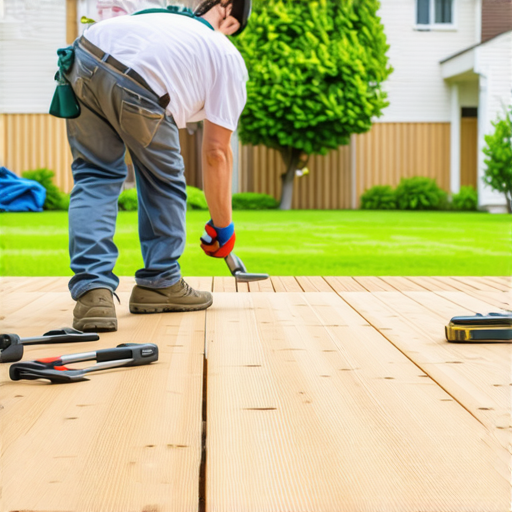

One lazy Saturday afternoon, I looked out at my backyard and realized: my deck hadn’t aged well. The wood was creaking, squeaking. It was a familiar story—my own DIY project, much like many Needham homeowners, was starting to show signs of wear and tear. The lightbulb went off: the framing—the backbone of my deck—needed attention. That’s when I stumbled into a puzzle that many of us face: should I opt for aluminum or steel framing?
What You Need to Know Before Picking Your Deck Frame
Are You Choosing the Right Material for Your Climate?
Initially, I made the mistake of believing all framing materials are pretty much the same—they’re not. The choice between aluminum and steel isn’t just about cost; it’s about durability, maintenance, and how well they will stand up to Needham’s unpredictable weather. For example, steel is strong and long-lasting, but it can rust if not properly protected. Aluminum, on the other hand, resists rust naturally and is lightweight, making installation easier.
This decision is crucial because it affects your deck’s longevity and safety. I know from experience that rushing into a choice without understanding how each material reacts to local conditions can lead to costly mistakes. Early on, I overlooked the importance of checking corrosion resistance, which is essential in our humid New England environment, as highlighted by specialists in local deck construction.
If this sounds familiar, don’t worry. Today, I’ll help you weigh the options carefully and get your project right the first time. Whether you want a deck that stands tall for decades or something easier to maintain, the right framing choice makes all the difference.
Is Overhyping Aluminum and Steel Frame Worth It?
Don’t Fall for the Hype: What’s Really Behind the Materials?
Here’s the honest truth: I once believed that steel was the ultimate choice because it’s so sturdy. That was before I learned about galvanization techniques that help steel resist corrosion. Similarly, I assumed aluminum was too flimsy to support a large deck, which isn’t necessarily true with modern alloys. A mistake I made early on was not researching the specific grades suited for outdoor use, risking structural integrity.
In fact, as shared by industry experts, both materials have their place, but understanding their hidden strengths and weaknesses is key to making an informed decision. The takeaway? Don’t buy into the hype, but do your homework. For more insights on building resilient decks, check out why local climate matters.
Select the Right Material for Your Climate
Assess Local Weather Patterns
In my experience, choosing materials that withstand Needham’s humid summers and snowy winters is crucial. I once opted for untreated steel, but in a season with heavy snow, I found it rusting prematurely. Instead, I recommend galvanized steel or aluminum because they resist corrosion better. To get started, evaluate your area’s climate and compare the corrosion resistance of different materials, like reading Needham-specific guides.
Prepare Your Site and Gather Materials
Clear and Level the Ground
Begin by removing debris and leveling your yard using a laser level or a long straight board with a level. I once tried to set my posts without proper leveling, which resulted in a crooked deck. Precise leveling ensures stability and longevity. Use a string line to mark the post locations accurately. For better results, consider sealing your ground posts with a concrete footing as described in professional footing techniques.
Frame the Perimeter with Proper Support
Install the Ledger Board Correctly
Attach the ledger securely to your house, ensuring it is flashed properly to prevent water infiltration. I learned the hard way that a poorly installed ledger can cause water damage. Use corrosion-resistant fasteners like those recommended in specialized fasteners. Seal all gaps to prevent water from seeping in, which can rot the frame.
Spacing Posts and Beams
Set your posts at the right spacing, typically 6 to 8 feet apart. Secure beams to the posts using flange brackets or post caps, as outlined in best attachment methods. When I built my deck, I used adjustable post anchors to fine-tune height, which made leveling the surface much easier.
Connect the Support with Strong Fasteners
Use Hidden Fasteners for a Clean Look
To make my deck look sleek, I opted for hidden fasteners, which can be more precise and durable. This method took extra time but paid off in aesthetics and stability. Check out why hidden fasteners matter for detailed reasons.
Secure Joists and Boards
Lay your deck joists perpendicular to the main beams, spacing them based on the decking material’s specifications. Use galvanized nails or screws designed for outdoor use to prevent rust. I recommend fasteners with corrosion-resistant coatings like those found in top-rated fasteners.
Finish with Protective and Aesthetic Touches
Apply Non-Toxic Stain
Once the frame is built, consider sealing it with a non-toxic stain suitable for outdoor use. I chose a product recommended for Needham decks, which resists fading and peeling, ensuring a longer-lasting finish. For more options, see non-toxic stain choices.
Inspect and Maintain
Finally, regularly check your deck frame for signs of wear, especially after harsh seasons. I learned that annual inspections help catch issues early, preventing costly repairs down the line. Use the steps outlined in structural maintenance tips.
Many homeowners and even seasoned DIY enthusiasts believe that choosing between aluminum and steel framing is straightforward—simply opt for the cheapest or most popular option. However, this overlooks nuanced factors such as alloy composition, galvanization processes, and environmental resistance that can significantly impact a deck’s lifespan in Needham’s unique climate. For example, a common misconception is that all steel frames are equally rust-resistant; in reality, the grade of steel and protective coatings make a huge difference, as highlighted by industry researchers in materials science.
Another overlooked nuance is the importance of professional vetting. Many clients assume that any contractor claiming experience will suffice, but the reality is that not all deck builders adhere to strict local building codes or utilize the latest corrosion-resistant methods. As discussed in this guide on contractor vetting, asking the right questions ensures you’re not just hiring a carpenter but a true expert in Needham’s specific conditions.
Advanced builders also know the critical value of hidden fasteners. While many see it as a purely aesthetic choice, industry insights reveal that hidden fasteners can actually extend the life of the deck by reducing corrosion points and deformation risks. Overlooking this can lead to faster deterioration, especially in humid climates, and more maintenance down the line.
Could You Be Missing the Signs of Structural Decay?
One advanced mistake often made is neglecting routine inspections for subtle signs of wear in the framing. Professionals recommend regular assessments of post brackets and beam connections—areas prone to hidden rust and stress fractures. Ignoring these signs can result in safety hazards or expensive repairs. For a comprehensive approach, consider consulting expert maintenance tips.
In my experience, understanding these nuances ensures your investment endures decades. Don’t fall prey to common myths like “all metals are equal” or “DIY is just as good,” because the devil is in the details. Ensuring your deck’s frame is built with these advanced considerations can save you time, money, and frustration. Have you ever fallen into this trap? Let me know in the comments and share your experience!
Keeping your deck in top shape over the long term requires the right set of tools and a systematic approach. Over the years, I’ve refined my maintenance routine with specific equipment that not only prolongs the deck’s lifespan but also streamlines the process. One of my go-to items is a high-quality cordless orbital sander. I use it regularly to smooth out any splintering wood and prepare surfaces for sealing or staining, ensuring a flawless finish. A reliable pressure washer also plays a critical role; I prefer models with adjustable nozzles, which allow me to carefully clean without damaging the wood or composite materials. For sealing, I swear by a digital spray gun, which provides even coverage and saves time compared to brush application.
Beyond hardware, software tools have become invaluable. I regularly use deck design and project planning software that helps visualize upgrades, especially when planning for expansion or integration with features like built-in lighting or a roof. These programs help anticipate material quantities, estimate costs accurately, and avoid surprises during construction. For ongoing maintenance, a detailed digital log on my tablet reminds me when to inspect fasteners, reapply stain, or check for structural shifts — essential for long-term safety and appearance.
When scaling up or undertaking major renovations, professional-grade laser levels are indispensable. I rely on these to ensure that all components—beams, posts, and railings—are perfectly aligned, which not only looks professional but also prevents future wear and safety issues. For more intricate tasks like replacing rotted support posts, I turn to a high-torque impact driver with a set of weather-resistant bits. This not only makes the job easier but also ensures secure fastenings that withstand our climate. Using specialized tools like these has undoubtedly increased the durability of my deck, saving me money and headaches over the decades.
How do I maintain my deck over time?
Maintaining your deck isn’t just about tools—it’s about developing a routine and recognizing warning signs early. Regularly check for loose fasteners, warped boards, or signs of rot. Incorporate seasonal inspections, especially after harsh winters or heavy rains, to catch issues before they escalate. Applying a non-toxic stain, like those discussed in this guide, with a sprayer ensures even protection and helps maintain vibrant aesthetics. Additionally, incorporating a detailed maintenance log using a simple app helps track service intervals and supplies. These practices, combined with the right equipment, will keep your Needham deck resilient for years to come.
Looking ahead, I believe advancements in automated inspection tools—like drone surveys or smart sensors embedded in the frame—may revolutionize deck maintenance by providing real-time condition assessments. Integrating such technology could be the next step in scaling your deck project efficiently while safeguarding your investment. A proactive approach, combining tried-and-true tools with emerging innovations, is the best way to keep your deck working seamlessly year after year. Interested in exploring these options? Try integrating a digital inspection app into your routine today and experience the difference firsthand.
Remember, the key to long-term success lies in routine, precision, and staying ahead of issues. Equip yourself with the right tools, follow a regular maintenance schedule, and you’ll enjoy a safe, beautiful deck for decades to come. For more tips on selecting the best fasteners tailored to Needham’s climate, visit this resource.
The Hardest Lesson I Learned About Deck Builders Needham
One of my biggest surprises was realizing that trusting a contractor without proper vetting can cost you greatly. I learned this the hard way when I hired someone based solely on a friendly recommendation, only to face subpar work that required costly corrections later. Now, I know that asking the right questions, like whether they follow Needham-specific building codes, ensures peace of mind.
How Local Climate Changes the Game for Deck Materials
Initially, I overlooked the importance of selecting a material suited for Needham’s weather, which led to premature rusting and rot. I’ve since realized that understanding local environmental factors, like humidity and snow load, is critical. For instance, choosing corrosion-resistant fasteners and protective coatings makes a world of difference in durability.
Hidden Fasteners: The Unsung Heroes
As I experimented with different fastening methods, I discovered that hidden fasteners provided a cleaner look and reduced exposure to moisture, greatly extending the deck’s lifespan. This lesson changed my entire approach to finishing touches and maintenance routines.
Preparing for Surprises: The Unexpected Benefits of Routine Checks
Regular inspections uncovered subtle signs of wear I would have otherwise ignored—a loose post bracket here, a tiny crack in a board there. Catching these early, as outlined in expert maintenance tips, saved me from larger repairs down the line. It’s a reminder that proactive care keeps your deck safe and beautiful for decades.
My Tools, My Trust Allies in Longevity
Investing in quality tools, like a cordless orbital sander and a digital sprayer, revolutionized my maintenance routine. These trusted tools enabled me to apply protective finishes evenly and efficiently, ensuring ongoing resilience. Combining hardware with software planning software has made my deck maintenance both manageable and enjoyable.
Few Final Insights That Changed Everything
Despite years of DIY and learning, the most vital lesson remains: never underestimate the value of detailed research and local knowledge. Picking the right materials, understanding climate influences, and inspecting regularly are the core pillars of a long-lasting deck. Engaging deeply with specialized resources and expert advice—like the comprehensive guides on Needham’s weather specifics—will serve you better than generic tips alone.
Where Your Deck Journey Could Lead Next
If you’re ready to elevate your deck project, start with honest questions, invest in the right tools, and stay curious about what you can learn from local experts. Your backyard transformation begins with understanding these hidden lessons I wish I’d known sooner. And remember, a well-built deck isn’t just a structure—it’s a reflection of your care, patience, and connection to your home.
What About You, Ready to Tackle Your Deck’s Potential?
Have you ever overlooked an important detail that later cost you time or money? Share your experience below and let’s learn together to build decks that last a lifetime. Your journey to a smarter, safer outdoor space starts now!