
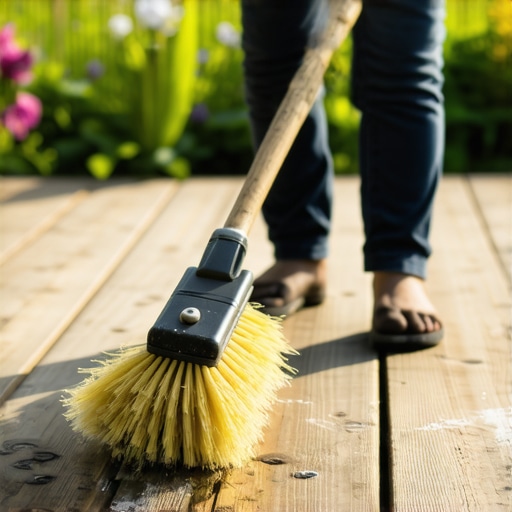
Last spring, I looked out my back window, expecting to enjoy a sunny afternoon on my deck. Instead, I was greeted by a yellow-tinted nightmare—pollen had transformed my beautiful outdoor space into a sticky, dusty mess. I tried scrubbing with a garden hose and some soap, but nothing really cut through that stubborn pollen coating. It was a frustrating moment of realization: I needed a better way.
Why Cleaning Your Deck Without Power Washing Matters
Decks are more than just outdoor platforms; they’re extensions of our homes where memories are made, family gatherings happen, and lazy Sunday afternoons are enjoyed. But nature loves to bring its own version of a mess—pollens, dirt, moss, and grime—especially during spring and early summer. Power washing might seem like the quick fix, but it can actually cause more harm than good when not done carefully. High-pressure water can strip away paint, loosen boards, or even damage delicate finishes, leading to costly repairs.
Instead, I discovered that gentle, non-abrasive cleaning techniques can be both effective and safer for your deck in the long run. Plus, these methods allow you to tackle the pollen problem without the overpowering sound of a pressure washer or risking unintentional damage. If you’re tired of battling pollen and don’t want to resort to power washing, you’re in the right place. Today, I’ll share proven strategies I’ve personally applied to keep my deck spotless, lasting longer, and looking beautiful.
Is All Pollen Removal Created Equal?
I’ll admit, my early attempts were riddled with mistakes. I used harsh chemical cleaners I found at the store without reading the labels, thinking they’d be the magic cure. Instead, I damaged the wood’s surface and worsened the problem by trapping pollen in the tiny scratches. That was a wake-up call. According to experts, using the wrong cleaning products or techniques can shorten your deck’s lifespan. A study published in the Journal of Wood Science highlights how abrasive or toxic cleaning agents can degrade wood fibers over time.
So, is it worth trying DIY methods? Absolutely—if you do it right. That means understanding the right cleaning agents, tools, and techniques to remove pollen effectively without risking your deck’s integrity. But before diving into my favorite methods, let’s clear up some common skepticism.
Gather Your Supplies and Prepare the Area
Start by collecting gentle cleaning agents like oxygen bleach and soft-bristle brushes. Remove any furnishings, planters, or décor to give yourself unobstructed access. This step prevents accidental staining or damage during cleaning. I recall a time when I overlooked clearing my furniture, and scrubbed around it, leaving marks—learning from that, I now always clear the deck first.
Apply a Safe Cleaning Solution
Mix oxygen bleach according to package instructions—usually about 1 cup per gallon of water. Avoid harsh chemicals; they can deteriorate wood fibers over time. Pour the solution evenly over the deck surface, focusing on areas with heavy pollen buildup. Think of it as giving your deck a gentle, nourishing bath rather than a harsh scrub. I once mistakenly used a chlorine-based cleaner, which caused discoloration; since then, I stick to oxygen bleach for safety and effectiveness.
Let the Solution Sit and Loosen Pollen
Allow the cleaning mixture to penetrate for about 10-15 minutes. This dwell time helps loosen embedded pollen and dirt. During this time, avoid walking on the wet surface to prevent uneven cleaning or streaks. Remember, patience pays off—rushing can smear pollen further into the wood. On one occasion, I brushed immediately after applying, which made the pollen spread; waiting always yields best results.
Use a Soft-Bristle Brush to Gently Scrub
Employ a soft-bristle brush or a deck cleaning broom. Work in small sections, gently scrubbing in the direction of the wood grain. Imagine you’re petting a delicate cat—firm enough to clean, gentle enough not to scratch. I recall a time when I pressed too hard, causing splinters; now, I use light strokes, and my deck looks renewed. For stubborn spots, repeat the application of the solution and scrub again.
Rinse Thoroughly with Water
Use a garden hose with moderate pressure to rinse away the loosened pollen and cleaning solution. Avoid high-pressure sprays that can strip finishes or loosen boards, akin to power washing—despite the temptation, it can be harmful if not done carefully. In one of my projects, I used a gentle spray, and the deck regained its natural beauty without any damage. If necessary, repeat the process on heavily stained areas.
Allow the Deck to Dry and Inspect
Let your deck air dry completely—preferably for several hours or overnight. Once dry, inspect for missed spots or remaining pollen. If needed, reapply the cleaning solution to stubborn areas and scrub again. This thorough approach ensures a deep clean without risking damage from aggressive methods. I’ve found that patience during this step preserves my deck’s finish and prolongs its lifespan.
Protect Your Deck Post-Cleaning
Consider applying a non-toxic, eco-friendly sealant or stain suitable for your decking material. This adds an extra layer of protection against future pollen, dirt, or moisture. Proper sealing preserves the wood’s integrity without introducing harmful chemicals—click here to learn more about choosing eco-friendly stain options. Keeping your deck sealed helps maintain its beauty and structural soundness.
By following these clear, gentle steps, you can effectively remove pollen without the risks associated with power washing. Remember, patience and careful technique are your best tools for preserving the lifespan and appearance of your deck. For more tips on deck maintenance and safety, visit this guide on staircase safety or explore how to repair structural issues without unnecessary demolition.Many homeowners believe that tackling deck repairs themselves is always the most cost-effective approach, but this common misconception can lead to serious pitfalls. In truth, rushing into DIY fixes without understanding the nuances may compromise the deck’s safety and longevity. For instance, attempting to stabilize a bowed joist without proper knowledge might temporarily solve the problem but can worsen structural issues over time. Experts recommend consulting detailed guides or professional inspections before proceeding—discover more about how to fix structural issues without unnecessary tearing at this resource.
An often-overlooked nuance concerns the importance of correct fastener selection. Using incompatible fasteners, like certain nails instead of corrosion-resistant screws, can lead to premature rust and deterioration, especially in Massachusetts’ damp climate. Consider the advantages of maintaining the integrity of your deck with appropriate hardware—learn why hidden fasteners are worth the extra labor time at this article.
A popular myth is that all composite materials are maintenance-free. Not quite—different brands and formulations vary significantly in durability and slip resistance when wet. For example, some composite boards tend to become slippery, posing safety risks. To mitigate this, applying specialized non-slip coatings is advisable, especially for high-traffic or coastal areas. Read more about non-slip coatings relevant to Massachusetts weather at this guide.
Finally, a common trap many overlook is neglecting to check local building codes and hiring the right contractor. Choosing a contractor without proper licensing or experience in local regulations can result in costly rework or even fines. For tips on vetting your deck contractor, visit this post.
Applying DIY techniques with a thorough understanding of these nuanced details ensures your deck remains safe, beautiful, and durable for years to come. Remember, no shortcut replaces expert knowledge—so always do your homework or consult with professionals. Have you ever fallen into this trap? Let me know in the comments.When it comes to keeping your deck in top shape over the years, having the right tools and a solid maintenance routine makes all the difference. I personally swear by a few specialized items that streamline my cleaning and repair process, ensuring I can handle minor issues before they escalate. One essential tool in my arsenal is a cordless oscillating multi-tool, which allows me to carefully sand down splinters or remove damaged boards without the fuss of larger equipment. Its precision is perfect for tricky spots and small repairs. Additionally, I rely on a high-quality, adjustable height ladder to access all areas safely, especially when inspecting joists or sealing hard-to-reach spots. To monitor moisture levels and prevent rot, I use a digital moisture meter, giving me real-time data so I can reapply sealant or stain exactly when needed. I also recommend investing in a non-toxic, biodegradable deck cleaner, such as oxygen bleach solutions, which are gentle yet effective at removing pollen, moss, and dirt, prolonging your deck’s life. As technology advances, I anticipate more homeowners adopting smart sensors that track wood moisture and temperature, alerting you via smartphone when maintenance is required. This trend will help homeowners catch problems early, saving money and stress in the long run. To ensure your deck remains safe and durable, I suggest starting with a thorough inspection with a moisture meter, then applying a targeted cleaning or sealant based on those readings. For a practical step, try using an oscillating multi-tool to remove loose or damaged boards; it’s faster and more precise than manual sanding. Get comfortable with these tools, and you’ll not only extend your deck’s lifespan but also make each maintenance session more manageable. To learn more about professional maintenance techniques, check out https://deckbuildersneedham.com/how-to-fix-structural-issues-without-tearing-your-deck-down. Regular upkeep with the right tools ensures your deck stays stunning and functional for years, making these investments well worth it.
Lessons from My Deck Maintenance Journey That Changed Everything
One of the most valuable lessons I learned was that patience beats urgency. Rushing through cleaning or repairs often leads to overlooked issues that worsen over time. Taking the time to understand your deck’s materials and their specific needs prevents costly mistakes, like using the wrong cleaning agents or skipping protective treatments. I also discovered that small, regular checks—like inspecting joists or fasteners—can catch problems early before they escalate, saving money and prolonging your deck’s lifespan.
Another insight is the importance of tailored solutions, not one-size-fits-all approaches. For example, what works for a wooden deck in Massachusetts might not suit a composite or cedar one. Investing time in learning about your deck type and its best practices genuinely pays off, ensuring you get the most out of your efforts and protect your investment.
My Go-To Deck Maintenance Arsenal
Over the years, I’ve curated a set of trusted tools and resources that make deck care more effective and enjoyable. A high-quality digital moisture meter helps me determine exactly when to seal or re-stain, avoiding unnecessary work. An oscillating multi-tool with sanding attachments is perfect for tackling small repairs or removing splinters without damaging the surrounding wood. For cleaning, oxygen bleach solutions are my go-to—they’re gentle yet formidable against pollen and moss, aligning with eco-friendly values. I also rely on professional guides like those found at this resource for nuanced tips that keep my deck in top shape.
Having a plan—guided by trusted books, online tutorials, and quality tools—transforms routine maintenance from a daunting chore into a rewarding hobby that preserves the beauty of my outdoor space while ensuring safety and longevity.
Keep Your Deck Dream Alive—Now It’s Your Turn
Empowered with these insights and the right tools, you’re now better equipped to tackle your deck maintenance confidently. Remember, consistency and attention to detail are your best allies in preventing problems before they start. Whether you’re cleaning pollen, repairing a misaligned board, or sealing wood for winter, every small effort adds up to a durable, beautiful outdoor living area you’ll enjoy for years to come. So, what’s the next maintenance task you plan to tackle on your deck? Share your plans or questions below—let’s keep the conversation going and help each other succeed in creating safe, stunning decks in Needham.