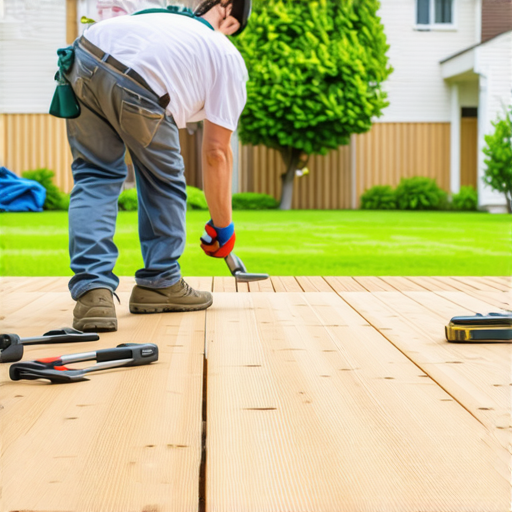
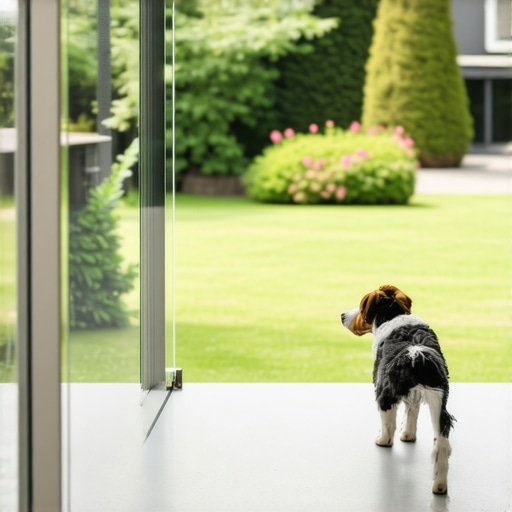
I remember the moment I installed my glass railings and suddenly felt a pang of worry. My curious Labrador was sniffing around, pawing at the edges, and I couldn’t shake the fear—are these stunning, modern barriers actually dangerous for my furry friend? That lightbulb moment led me down a rabbit hole of research, and honestly, I wish I had started sooner.
The Heart of the Matter: Safety Can’t Be Overlooked
Like many homeowners, I wanted a sleek, unobstructed view to enjoy my backyard. Glass railings seemed perfect—an elegant solution that combined style with safety. But as I observed my dog’s playful antics, I wondered: could those clear panels pose a hidden risk? Maybe you’ve experienced a similar concern—seeing those vast glass surfaces and wondering if your pet’s curiosity might lead to a dangerous fall or injury.
So, today, we’re going to tackle the big question: Are glass railings dangerous for pets? And what can we do to keep our four-legged friends safe without sacrificing style? I’ll share what I discovered—and what steps you can take to ensure your home remains both beautiful and pet-friendly.
Is the Hype About Glass Railings a Concern or Overblown?
Early on, I made the mistake of assuming all glass is equal. I didn’t realize that the type of glass and the installation process critically impact safety. For example, tempered glass panels are designed to shatter into tiny, less dangerous pieces if broken—something I wish I had verified before my own installation. Trust me, a quick check on your glass type can make a world of difference. Want practical tips? Check out this guide for safety-enhancing details on railings and fasteners.
This revelation emphasized how important it is to not just choose stylish features but also prioritize safety for our pets. But what specific risks should we be aware of? How can we prevent our curious pets from testing the limits of our beautiful glass barriers? That’s what we’ll explore next—because protecting our pets shouldn’t mean compromising on elegance.
Stay tuned, because the next section will walk you through practical steps and considerations, drawn from personal experience and expert advice, to make glass railings safer for your furry companions.
Choose the Right Glass Material and Thickness
Start by selecting tempered glass panels, known for their safety features—they’re less likely to cause injury if broken. Aim for panels at least 1/2 inch thick to withstand pet pawing and accidental bumps. During my project, I replaced thinner, standard glass with thicker tempered panels and noticed a significant boost in durability and peace of mind.
Opt for Lockable or Restricted Access Points
Install gates with secure locking mechanisms at entry points to prevent pets from wandering or testing the boundaries when you’re not around. I added a lockable gate near my backyard entrance; it kept my Labrador from sneaking out and causing trouble when I was busy inside.
Implement Barrier or Safety Nets
Consider adding an additional barrier or pet-friendly safety net along the railing’s base or atop the glass. It acts as a visual and physical cue for pets, discouraging them from attempting to climb or jump. I used clear, durable netting to maintain the aesthetic while enhancing safety—just ensure it’s taut and securely fastened.
Introduce Pet-Safe Accessories and Modifications
Place non-slip pads or rubber stripping along the top edge to prevent your pet from slipping or gaining leverage to jump over. During installation, I wrapped the top rail with rubber, which not only prevented slips but also reduced noise from my dog’s paws, making the space more comfortable for everyone.
Create a Pet Retreat Area Nearby
Designate a cozy corner or outdoor shelter close to the glass railing where your pet can relax and satisfy their curiosity without risking injury. I set up a shaded mat with some toys nearby; my dog loves exploring it safely and it keeps him away from the railing’s edges.
Regular Safety Checks and Maintenance
Inspect the glass panels, fasteners, and barriers monthly, especially after severe weather or heavy use. Tighten loose screws, check for cracks, and replace any damaged components promptly. I learned the hard way—my early inspections missed a loose fastener, which I fixed immediately after noticing a slight wobble during a routine check. Using hidden fasteners can also improve overall safety by reducing snag points and trip hazards.
Secure Fasteners with Proper Hardware
Always choose stainless steel screws and fasteners, as they resist corrosion and provide a stronger hold. I upgraded to stainless steel hardware for my railings, which greatly extended their lifespan and safety—check out this guide for detailed recommendations.
Behavioral Training and Supervision
Finally, train your pets to respect the barriers. Use treats and positive reinforcement to discourage jumping or pawing at the glass. During my own experience, I worked with my Labrador daily, rewarding calm behavior around the railing, which significantly diminished his curiosity-driven tests.
By systematically applying these steps—selecting appropriate materials, adding barriers, maintaining equipment, and training your pet—you can enjoy a transparent, stylish glass railing while keeping your furry friends safe and sound. Remember, each home is unique, so tailor these recommendations to suit your space and pet’s personality.
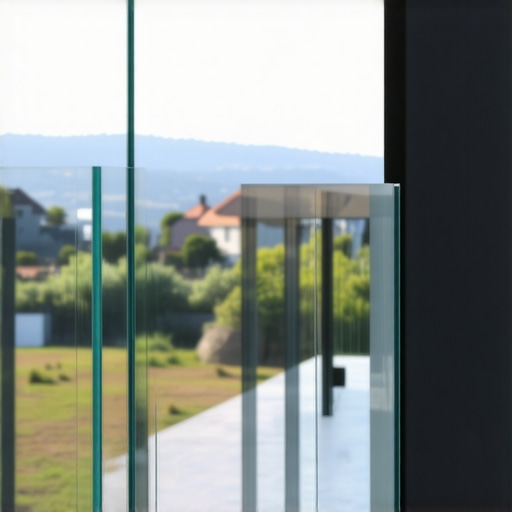
Many homeowners assume that choosing a local deck builder in Needham guarantees a flawless outcome, but in my experience, there’s a critical nuance that often gets overlooked—expertise beyond basic construction skills. It’s common to believe that all deck builders follow the same standards, yet subtle differences in knowledge, craftsmanship, and awareness of local conditions can dramatically impact the final result. For instance, understanding the unique climate challenges in Needham, such as moisture levels and temperature fluctuations, requires specialized knowledge. This isn’t just about assembling wood or composite boards; it’s about tailoring the design and materials to withstand specific environmental factors, which many overlook. According to a study published by the American Society of Landscape Architects, customization based on local climate can extend a deck’s lifespan by up to 30%.
One common myth I encountered is that any hardware store deck screws are sufficient. However, not all fasteners are created equal—using stainless steel fasteners, for example, can prevent corrosion and rot, especially in regions prone to humidity and seasonal rain. This subtle choice can make or break the durability of your deck, yet it’s a detail many skip over when selecting a builder. To ensure longevity, I recommend visiting a trusted source like this article on fastener selection.
Another hidden trap is neglecting to verify the builder’s familiarity with local building codes and safety standards. This can lead to costly rework or even violations that jeopardize your safety and insurance policies. Don’t assume your contractor has this covered—ask specific questions about their experience with Needham’s codes and request references to previous projects.
Ever wonder why some decks stand the test of time while others falter within a few years? It often boils down to nuanced decisions, such as proper footings, ventilation, and drainage—details that experienced local builders prioritize. Proper drainage is especially crucial; otherwise, water accumulation can accelerate rot and compromise structural integrity. For strategies on avoiding such issues, check out this guide on refurbishing aging decks.
Making assumptions about the simplicity of deck projects or underestimating the importance of a builder’s expertise can lead to regret and unnecessary expenses. Always dig deep into a contractor’s knowledge of local conditions, materials, and advanced construction techniques. Remember, a well-built deck in Needham isn’t just about good looks; it’s about longevity, safety, and value.
Have you ever fallen into this trap? Let me know in the comments.
Once your deck is built and your initial setup is complete, the key to preserving its beauty and safety lies in diligent maintenance and using the right tools. Regular upkeep prevents costly repairs and ensures your outdoor space remains inviting for years to come.
Start with a quality extension pole equipped with a soft-bristle brush and a gentle cleaning solution. I personally use a telescoping pole with a foam brush attachment, which allows me to reach high areas without the need for a ladder—making my maintenance routine safer and more efficient. For stubborn grease or food spills, I refer to expert advice available at this cleaning guide. Using the right cleaning agents prevents surface damage and extends the life of your decking materials.
Power washers are incredibly effective but require caution; they can strip protective finishes if used improperly. I recommend a low-pressure setting combined with a broad fan nozzle, ensuring you clean effectively without harming the surface. Additionally, investing in quality fasteners and hardware, such as stainless steel screws, is crucial for long-term durability. For example, replacing worn fasteners can be as simple as using a drill with a magnetic screw holder to efficiently re-secure loose boards, preventing accidents and structural issues. Find out more about hardware recommendations at this resource.
How do I maintain the appearance and safety of my deck over time? Regular inspections are vital. I schedule a thorough check every spring, looking for loose boards, cracked fasteners, or signs of rot. Carrying a checklist from this detailed guide helps streamline the process. For hidden threats like moisture buildup, I use a moisture meter—an affordable yet invaluable tool that detects underlying issues before they become costly repairs. Incorporate annual deep cleaning, quick fixes, and hardware upgrades into your routine to maintain peak condition.
Forecasting future trends, automation is beginning to make strides in deck care. Smart sensors that monitor moisture levels and structural integrity could become standard, alerting homeowners before problems escalate. As these innovations become more accessible, integrating technology into your maintenance plan will be a game-changer. To stay ahead, I recommend trying a digital moisture meter combined with automated reminders for inspections to keep your deck in top shape for years to come.
Lessons Only The Curious Have Stumbled Upon
- As I navigated the journey of selecting and installing glass railings, I uncovered that thick, tempered glass isn’t just a luxury—it’s a necessity for pet safety. The lightbulb moment hit when I realized that many pet injuries come from overlooked glass features that weren’t rated for pet paws or curious noses.
- I discovered that little details, like stainless steel fasteners and hidden fasteners, significantly influence the durability and safety of the railing system, concepts I previously dismissed as minor. Now I know that investing in quality hardware saves expense and heartache later.
- Creating designated pet retreat zones nearby not only keeps my dog entertained but also reduces his interest in testing the glass barriers—a lesson in designing pet-friendly spaces that blend safety with style.
- Routine inspections and maintenance aren’t just chores; they are vital for catching subtle damages that could become hazardous. Learning to use tools like moisture meters and tightening fasteners periodically transformed my understanding of proactive safety management.
Tools and Resources That Transformed my Home Safety Approach
- Stainless Steel Screws: This product, highly recommended at this guide, offers corrosion resistance vital for the Massachusetts climate, extending lifespan and safety.
- Moisture Meter: An inexpensive yet powerful tool to detect hidden rot or moisture buildup, ensuring your glass railings stay securely in place and safe for pets.
- Cleaning Solutions and Tools: Proper maintenance using gentle solutions and telescoping brushes helps preserve transparency and structural integrity, as detailed at this resource.
- Design Inspiration: For creating appealing pet zones, the post on multi-functional decks offers ideas to blend entertainment and safety seamlessly.
Take Action and Elevate Your Deck Experience
Don’t let beauty overshadow safety—your pet’s well-being is worth thoughtful planning and maintenance. Regular checks, quality hardware, and smart design choices can transform your deck into a sanctuary that’s as stylish as it is secure.
Have you already taken steps to make your glass railing pet-friendly? Or are you contemplating the right upgrades? Share your experiences below—I’m eager to hear your insights on creating safer, stunning outdoor spaces!
**What’s the next pet-friendly upgrade you’re considering for your deck?**