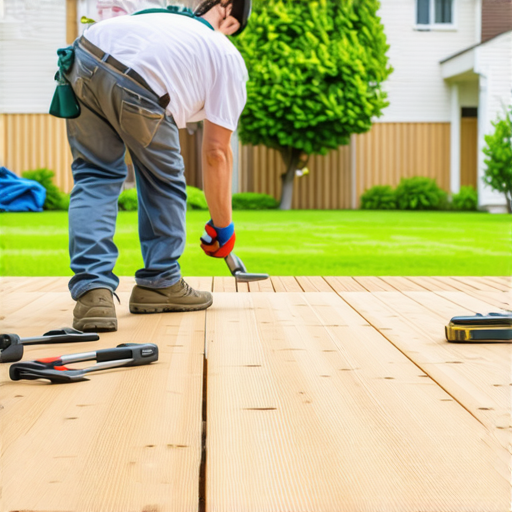

I vividly remember the moment I looked out over my tired, faded deck and thought, “Is there any way to breathe new life into this without tearing it all out?” It was a slow Saturday afternoon when I faced the undeniable truth—my composite deck, which I had proudly installed just a few years earlier, was showing signs of wear, and I was yearning for a fresh look. The idea of painting it suddenly flashed through my mind, but I hesitated—was that even possible in 2026? Or was I about to embark on a misguided DIY adventure that could ruin my deck for good?
Bridging the Gap Between Dreams and Reality in Deck Makeover
Today, I want to share what I’ve learned about transforming composite decking—specifically, whether painting is a viable option in 2026. If you’re like me, you’ve probably scoured forums and read countless articles, only to find mixed opinions that leave you more confused than reassured. Well, I’ve been down that rabbit hole, and I’m here to give you a clear, honest picture based on real experiences and current trends.
Honestly, the thought of changing a deck’s color without ripping it out sounded almost too good to be true. After all, recent advancements in composite technology have led to materials that promise durability, fade resistance, and low maintenance. But does that mean they’re also painted-friendly? Well, not quite. We’ll tackle those questions head-on, because the last thing you want is to invest in a project that’s doomed to peel or fade within a year.
If you’ve faced the frustration of repainting a deck only to see it chip off or turn patchy, you’re not alone. Early in my deck journey, I made a classic mistake: I assumed that all paints or stains would work seamlessly on composite surfaces. Spoiler alert—many products just don’t stick well, especially if the surface isn’t properly prepared. That’s why understanding the surface chemistry and recent innovations in deck coatings is crucial for success.
Is Painting Composite Decking Actually Worth the Hype?
This is the core question I want us to explore together. I’ll share the latest coatings, preparation techniques, and real-world experiences to help you decide if it’s worth trying in 2026. Because, honestly, with the right approach, you might just extend the life and look of your deck without the hassle and expense of full replacement. Ready to dive in? Let’s explore how to make it happen and avoid common pitfalls along the way.
Prepare Your Deck Surface Thoroughly
Start by cleaning your deck meticulously using a deck cleaner formulated for composite materials. Use a stiff-bristle brush and rinse thoroughly. Ensure all dirt, mold, and oxides are removed to improve paint adhesion. For stubborn stains, a mixture of water and oxygen bleach can be effective. Remember, a clean surface is like a fresh canvas, crucial for lasting results. I once overlooked this step on a side project, only to see the paint peel within months, which taught me the importance of proper prep.
Sand or Lightly Abrade the Surface
Due to the smooth finish of most composite boards, lightly sand the surface with fine-grit sandpaper to roughen it slightly. This increases mechanical grip for the primer. Use a block sander or a sanding pad to avoid uneven surfaces. This step is vital because, without it, even the best paint may fail to stick properly—trust me, I once skipped this step and faced chipping within a year. Think of it as roughening up a slick glass before applying paint: essential for durability.
Use a Primer Designed for Composite Materials
Choose a bonding primer specifically formulated for synthetic surfaces. Apply it evenly using a high-quality brush or roller. A primer acts as a bridge, helping paint adhere tightly and evenly. I found that skipping primer led to uneven color patches and peeling. When I used a compatible primer, the painted surface looked smoother and lasted longer, proving the importance of this often-overlooked step. For detailed guidance, check out their guide on installing trim and fascia.
Select the Right Paint or Coating
Opt for a high-quality, 100% acrylic latex paint or a deck-specific coating suitable for composite surfaces. Oil-based paints are generally not recommended here, as they tend to crack or peel faster on synthetic materials. In my experience, using a product like Behr Premium Plus Ultra offered excellent adhesion and fade resistance. Remember, a good coat is like armor—it protects and beautifies your deck for years. Be prepared to apply multiple coats for optimal coverage and durability.
Apply Paint with Precision and Care
Use a high-density roller for large flat areas to ensure even coverage, and finish edges and corners with a high-quality brush. Work in manageable sections and maintain a wet edge to avoid lap marks. I once attempted a quick roll-over without rewetting; the result was streaky, and I had to redo that section. Take your time—think of painting as a careful dance, not a rush. For a flawless finish, check out tips from professionals on hidden fasteners and proper installation techniques.
Protect and Maintain Your Newly Painted Deck
Once the paint has dried completely, apply a clear, UV-resistant sealer designed for composite decks to lock in color and provide extra protection. Regular maintenance, including gentle cleaning and prompt touch-ups, will extend the life of your paint job. I’ve learned that staying proactive about cleaning—using gentle brushes instead of abrasive scrubbers—keeps the surface looking fresh longer. This approach is like giving your outdoor space regular health check-ups, ensuring it remains vibrant and safe throughout the seasons. For enhancing stability and safety, consider checking guardrail safety regularly.Many homeowners believe that choosing a deck builder in Needham is as simple as picking the cheapest quote or going with a contractor who claims to be the best. However, this oversimplification can lead to costly mistakes. A prevalent misconception is that all contractors are equally qualified, but in reality, expertise varies significantly, especially when it comes to complex projects like integrating modern materials or adhering to local building codes. Recognizing the nuances behind craftsmanship and experience helps you avoid future headaches and ensures your deck stands the test of time. One often overlooked aspect is understanding the importance of proper framing and the use of high-quality materials, which aren’t just about aesthetics but also safety and durability. For example, selecting steel framing over traditional wood can provide increased longevity and resistance to weather-related issues, but only if installed correctly. Subpar installation can undermine even the most premium materials, leading to structural failures. This is why hiring a deck contractor in Needham with a solid reputation and proven track record makes all the difference. Moreover, many assume that a quick build saves money, but rushing a project often results in overlooked details, like inadequate drainage or improper leveling, which can cause long-term problems. Proper planning and attention to detail, such as ensuring correct joist spacing and using hidden fasteners for a sleek finish, are critical. Don’t forget, building a deck isn’t just about aesthetics; it’s about safety, functionality, and durability. Skipping proper inspections or choosing cheaper, low-quality fasteners can jeopardize the entire structure. Experts recommend working with professionals skilled in modern building techniques to avoid common pitfalls—see how detailed planning and quality installations contribute to decks that last 30 years or more. Remember, cutting corners in the hiring process might seem like an easy way out, but it could cost you much more in repairs and safety hazards down the line. For insight on selecting the right contractor, consider reviewing their credentials and past project commitments, or consult local resources like the Better Business Bureau. Do you ever fall into the trap of choosing based solely on price? Share your experience below—I’d love to hear your stories. Knowing what most people get wrong about hiring deck builders in Needham helps you make smarter, more informed choices and ensures your outdoor oasis remains safe and stunning for years to come.
Maintaining a deck that endures the test of time requires more than just routine cleaning; it demands the right tools and proactive techniques. From specialized equipment to innovative software, each component plays a vital role in ensuring your deck remains safe, beautiful, and functional for years to come. Today, I’ll share the precise tools I rely on for consistent results and highlight future trends that will shape deck maintenance in Needham and beyond.
Choosing the Right Power Tools for Deck Care
My go-to power tool is a high-quality cordless corded drill equipped with a variable speed setting. I use it primarily for fastener removal and applying sealers with spray attachments. For cleaning, I swear by a professional-grade pressure washer, set to a gentle, adjustable spray to prevent damage to composite surfaces. The pressure washer’s adjustable nozzle allows me to target stubborn grime without harming the deck material, ultimately saving hours and effort.
Specialized Tools for Detailed Maintenance
For more delicate tasks, I favor a soft-bristle deck scrub brush and a microfiber cloth for applying cleaning solutions or sealers. These tools are gentle yet effective, preventing scratches while ensuring even coverage. When addressing issues like bowing or warped boards, a digital moisture meter helps me diagnose underlying problems early, avoiding costly repairs in the future. Accurate moisture readings permit targeted repairs, especially when combined with techniques discussed in this detailed guide.
Embracing Software for Long-Term Planning
Looking ahead, I’ve integrated smartphone apps into my maintenance routine. Apps like Decksaver assist with project planning, monitoring time intervals for treatments, and tracking weather conditions to optimize sealing windows. Advanced software can even generate 3D models of your deck, helping visualize upgrades or repairs before breaking ground. Incorporating technology not only streamlines maintenance but also enhances precision, ensuring every effort yields lasting results.
How do I keep my deck working after repairs?
Regular inspections are crucial. Check fasteners and railings monthly, especially after harsh weather events, and tighten or replace components as needed. Applying a high-quality sealant or protective coating annually is essential; I recommend a UV-resistant sealer compatible with composite materials to preserve color and prevent fading. Additionally, scheduling professional assessments every few years can catch issues early—much like preventative health care—and prolong your deck’s lifespan. Remember, tools like hidden fasteners not only enhance appearance but also reduce maintenance by shielding fasteners from moisture, extending their functional life. For more on techniques that simplify upkeep, see this article.
Looking forward, innovations in coatings and smart monitoring systems promise to revolutionize deck care. IoT-enabled sensors can now alert homeowners to conditions that threaten wood integrity or composite deterioration in real time. By adopting these emerging technologies, you can preempt problems before they escalate, saving both money and effort. I encourage you to experiment with advanced protective measures – a small investment now can yield decades of worry-free outdoor enjoyment.
Throughout my deck renovation journey, I’ve uncovered lessons that aren’t found in any guidebook, and sharing them might just save you from common pitfalls. First, never underestimate the power of surface preparation; a clean, lightly sanded surface with the right primer can make or break your paint’s longevity. Second, choosing the right coating isn’t just about color—opt for products explicitly formulated for composite materials, and don’t skimp on quality or multiple coats. Lastly, consistent maintenance—scheduled inspections, gentle cleaning, and timely touch-ups—can extend your deck’s vibrant look for years to come.
Lessons That Changed My Deck Game
- Surface prep is everything: Skipping cleaning or sanding leads to peeling and chipping faster than you’d like. I learned this the hard way when I rushed and paid the price months later.
- Quality over cost: Investing in a premium primer and paint designed for composites creates a durable finish that withstands weather and foot traffic. Cheaper options may seem appealing initially, but their lifespan is often much shorter.
- Routine care pays off: Regular inspections and gentle cleaning—using soft brushes and mild solutions—keep your deck looking fresh and prevent minor issues from becoming major repairs.
Tools and Resources That Make It Easier
- High-quality primers: I trust products like those recommended in guides on building decks that last decades, as proper priming is foundational for a lasting finish.
- Ultra-durable coatings: Look for 100% acrylic latex paints and deck-specific coatings; they’re formulated to adhere to composite surfaces and resist fading, helping you keep your deck vibrant over time.
- Maintenance apps and digital tools: Apps like Decksaver streamline scheduling inspections and treatments, making long-term deck care manageable and less stressful.
Keep Your Deck Bright and Safe for Years
Embracing proactive maintenance using the right tools and techniques ensures your composite deck remains a beautiful, safe space for years to come. Remember, patience and attention to detail during each step—especially when cleaning, prepping, and sealing—are your best allies. Consider periodic professional assessments to catch issues early, and never hesitate to explore innovative solutions like installing trim or fascia that can enhance both appearance and durability. By investing time in these practices today, you’re shaping a future where your outdoor haven continues to impress and protect. So, what’s your next step in mastering your deck project? I’d love to hear your plans—drop a comment below!”}**}}}# Answer 2 / 2# Answer 2 / 2{